
Hormuz Not Shut, But Tightly Controlled Amid Tensions
Report flags ‘selective flow’ of oil traffic despite rising geopolitical risks

GG News Bureau
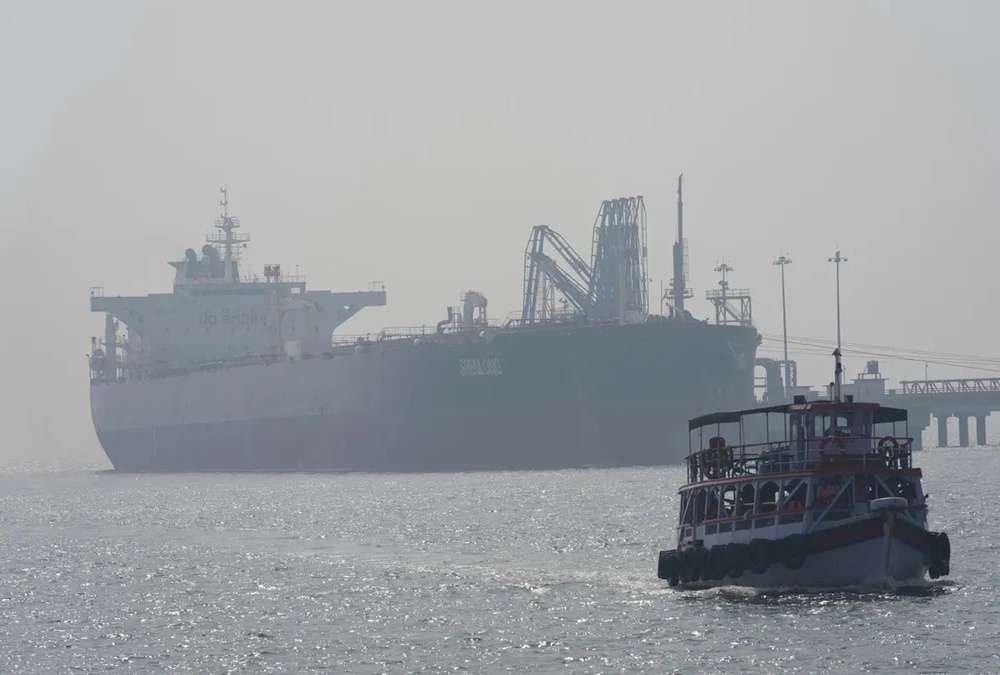
6th April: The Strait of Hormuz, a critical artery for global oil supply, remains operational but under a tightly controlled regime as geopolitical tensions reshape maritime movement, according to a recent field analysis by Citrini Research.
The report suggests that contrary to fears of a complete shutdown, the strait is witnessing a “selective flow” of traffic, where commerce continues alongside heightened military and diplomatic activity.
While the United States maintains a deterrence posture against potential escalation by Iran, several countries including Japan, France and Greece are reportedly engaging through diplomatic or indirect channels to ensure safe passage of their tankers.
According to the findings, Iran has established a de facto regulatory system in parts of the strait, particularly between Qeshm and Larak islands. Ships are required to share detailed information about ownership, cargo and crew through intermediaries and obtain authorisation before transit. Approved vessels are sometimes escorted, while non-compliant ones face delays.
The strategy, the report notes, is aimed not at closure but at asserting control and extracting leverage, allowing Tehran to maintain influence over one of the world’s busiest oil corridors without triggering a full-scale disruption.
Experts warn that a complete closure of the strait—through which nearly one-fifth of global oil supply passes—would have severe economic consequences. This risk has led many energy-importing nations to adopt a pragmatic approach focused on negotiation rather than confrontation.
Shipping patterns are already evolving, with a decline in large supertankers and a rise in smaller vessels navigating the route. Despite continued movement, the uncertainty is expected to keep freight costs elevated and energy markets volatile.
