
Iran Rejects US Ceasefire, Seeks ‘Permanent End’ to Conflict
Tehran sends 10-point response as Trump issues fresh warnings

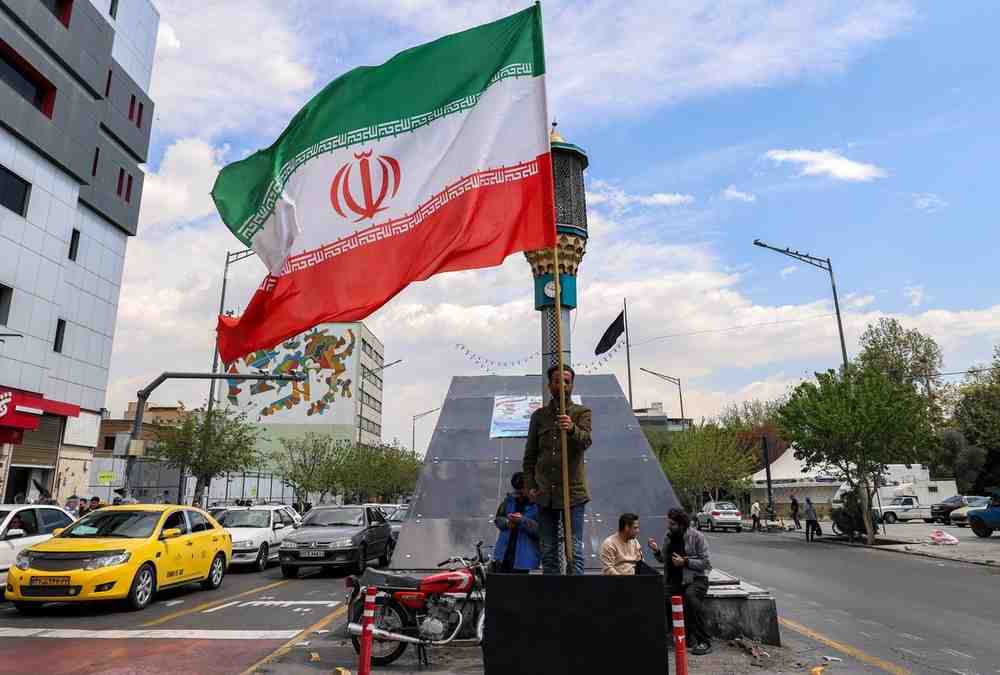
- Iran rejects US ceasefire proposal, demands permanent resolution
- 10-point plan includes sanctions relief and Hormuz passage protocol
- Trump warns of escalation, sets deadline on Strait of Hormuz
- US yet to approve any formal ceasefire draft
GG News Bureau
Tehran, 6th April: Iran has rejected a ceasefire proposal from the United States, instead submitting a detailed ten-point response calling for a permanent end to the ongoing conflict, according to state-run IRNA news agency.
The response, conveyed to Washington through Pakistan, outlines Iran’s key conditions, including a complete halt to hostilities across the region, lifting of sanctions, reconstruction commitments, and a formal protocol to ensure safe passage through the Strait of Hormuz.
Iran’s position signals a shift from temporary de-escalation measures to long-term conflict resolution, even as tensions continue to escalate in the region.
On the US side, officials indicated that no final agreement has been approved. A White House official said that a proposed 45-day ceasefire remains one of several options under consideration, with President Donald Trump yet to sign off on any deal.
Amid the diplomatic exchanges, Trump issued a fresh warning to Tehran, setting a deadline for reopening the Strait of Hormuz. In a series of posts on his platform, he threatened potential strikes on Iran’s energy infrastructure if the waterway remains closed.
The Strait of Hormuz, through which a substantial portion of global oil supply passes, remains a critical flashpoint in the conflict, with any disruption posing serious risks to global energy markets.
While mediation efforts continue, the gap between Washington’s short-term ceasefire approach and Tehran’s demand for a comprehensive resolution underscores the complexity of negotiations.
The situation remains fluid, with both diplomatic and military developments shaping the trajectory of the conflict in the coming days.
