
Why Marco Rubio Visited Jamnagar, Skipping Delhi
The US Secretary of State’s visit to Reliance’s giant refinery highlights Washington’s energy priorities amid strained trade ties and global oil market uncertainty.

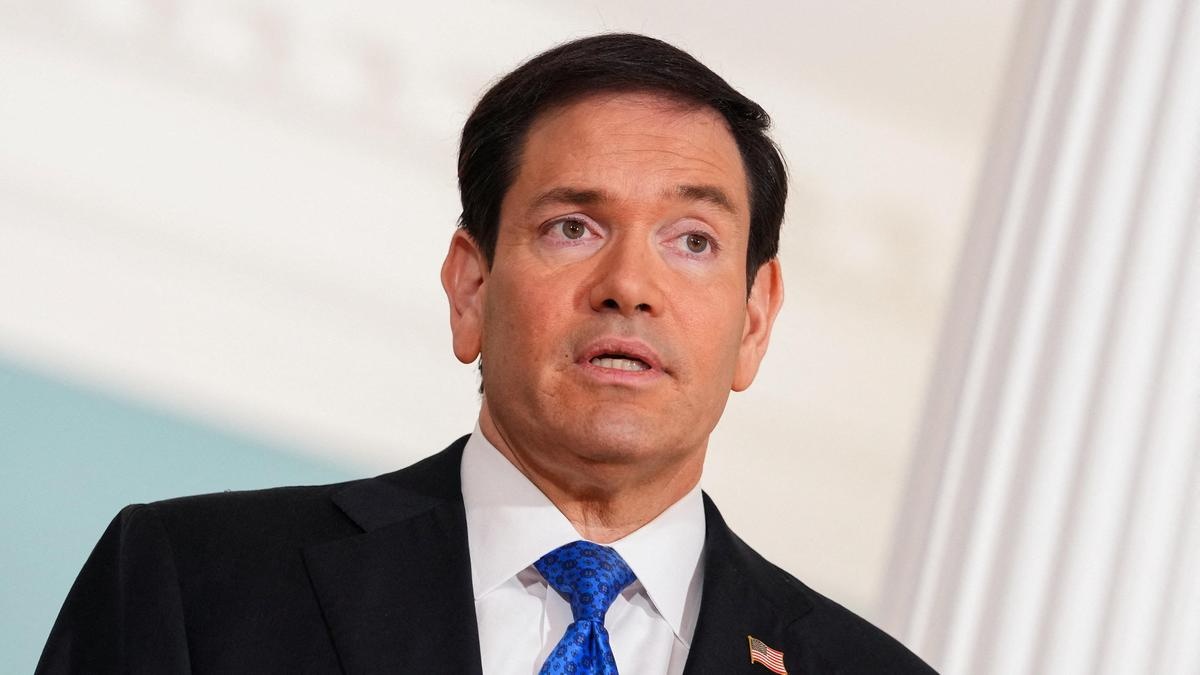
- Rubio’s visit puts Jamnagar refinery in focus
- US seeks greater processing of Venezuelan crude
- Russian oil purchases remain a bilateral concern
- Trade deal remains uncertain despite renewed engagement
GG News Bureau
New Delhi, 24th Oct: US Secretary of State Marco Rubio’s recent visit to Jamnagar, Gujarat, has drawn attention to the growing importance of energy cooperation in India–US relations. While Rubio met Indian Foreign Minister S. Jaishankar and business leaders in Mumbai, his decision to conclude the visit at Reliance Industries’ massive oil refinery in Jamnagar raised questions about Washington’s priorities.
The visit came at a sensitive time for bilateral relations, with trade negotiations still unresolved, tariffs having strained economic ties and India’s purchases of Russian oil remaining a point of disagreement. Analysts suggest that Washington’s domestic fuel concerns and its efforts to diversify oil supplies may help explain the itinerary.
Why Jamnagar Matters to Washington
Reliance Industries’ Jamnagar refinery complex can process around 1.4 million barrels of crude oil per day, making it a major player in global refining and fuel markets. The facility exports diesel and other petroleum products and has the capacity to process heavy crude, including Venezuelan oil.
Rubio described India as a “refining superpower” and said the United States wanted Reliance to process more Venezuelan crude as supplies become available. He suggested that Venezuelan oil could provide short-term relief amid concerns over global energy supplies and tensions in the Middle East.
Reliance had previously been a major buyer of Venezuelan crude before US sanctions disrupted trade. Following Washington’s easing of restrictions on Venezuela’s energy sector, the company re-emerged as an importer.
The refinery visit therefore appears to reflect US interest in using India’s processing capacity to help increase the availability of refined fuel. However, Reliance’s public statement about the visit referred to discussions on the global energy landscape and commercial partnerships without announcing specific commitments on crude purchases or refined-product supplies.
Why Rubio Skipped New Delhi
Rubio’s decision not to include New Delhi in his official itinerary prompted questions about the state of India–US relations. The two countries have faced disagreements over tariffs, Russian oil imports and the prolonged delay in concluding a trade agreement.
Some analysts argue that the capital has become a difficult diplomatic setting because of unresolved differences between the two governments. Others caution against interpreting the itinerary as a deliberate diplomatic snub, noting that Rubio met Jaishankar in Mumbai and that the trip was primarily focused on energy cooperation.
Their meeting covered trade, investment, energy security and defence cooperation. Both sides also acknowledged progress in trade negotiations and reiterated their commitment to reaching an agreement.
The choice of destinations may therefore have reflected the practical purpose of the visit rather than a complete shift away from traditional diplomatic engagement.
Russian Oil Remains a Point of Tension
India’s purchases of Russian crude have been a persistent source of friction with Washington since Russia’s invasion of Ukraine in 2022. India increased imports of discounted Russian oil to meet its energy needs, while the United States sought to limit Moscow’s energy revenues.
In August 2025, US President Donald Trump imposed an additional 25 per cent tariff on Indian goods over Russian oil purchases, taking tariffs on many Indian products to 50 per cent. Washington withdrew the additional penalty in February 2026, but the issue has continued to complicate bilateral relations.
India has maintained that affordable and reliable energy supplies are essential for its population of around 1.4 billion people. The United States has also temporarily eased certain restrictions affecting Russian diesel, illustrating the complexities of energy policy amid market pressures.
Against this backdrop, deeper cooperation with Reliance could offer Washington another avenue to encourage greater purchases of American and Venezuelan crude while reducing India’s reliance on Russian supplies. Whether this will translate into a lasting change in India’s energy mix remains uncertain.
Is a Texas Refinery Also Part of the Picture?
Another possible dimension of Rubio’s meeting with the Ambani family is a proposed refinery project in Texas. Trump announced a plan in March for a refinery at the Port of Brownsville, describing it as the first major new US refinery in 50 years.
Analysts have suggested that Washington may be interested in Reliance’s potential involvement in the project, alongside discussions about Venezuelan oil. However, Reliance has not publicly confirmed any commitment, and details about the project’s development and timeline remain limited.
If the proposal advances, it could create another channel for commercial engagement between Indian and American businesses. For now, the potential link remains speculative rather than an announced outcome of Rubio’s visit.
Trade Deal Still Uncertain
Despite the focus on energy, the visit does not necessarily mean a trade agreement is imminent. Negotiations have remained unresolved for around 20 months, and differences over tariffs and market access continue to weigh on the relationship.
India’s merchandise exports to the United States reached $50.81 billion between April and September, an increase of 11.1 per cent year-on-year, according to figures cited by India’s Commerce Ministry. Imports rose to $32.33 billion from $25.66 billion in the same period, narrowing India’s trade surplus with the US to $18.48 billion from $20.07 billion.
The figures indicate that commercial ties remain active despite diplomatic and trade tensions. However, prolonged uncertainty over tariffs and preferential market access could eventually affect business confidence.
What the Visit Signals
Rubio’s Jamnagar visit places energy security at the centre of the current India–US economic conversation. Washington appears interested in expanding access to crude that Indian refineries can process, while New Delhi continues to balance affordability, supply reliability and its broader strategic interests.
The visit may help sustain dialogue and create opportunities for commercial cooperation. But a durable improvement in relations will depend on progress across several unresolved issues, including tariffs, trade negotiations and differences over energy sourcing.
For now, Jamnagar has emerged as a symbol of how industrial capacity and energy security can shape diplomacy. Whether the discussions lead to concrete supply arrangements, investment commitments or a trade deal remains to be seen.
