
Fuel Duty Slashed, Govt Absorbs Cost to Curb Inflation
Government slashes excise by Rs 10 per litre on petrol, diesel amid global crude surge

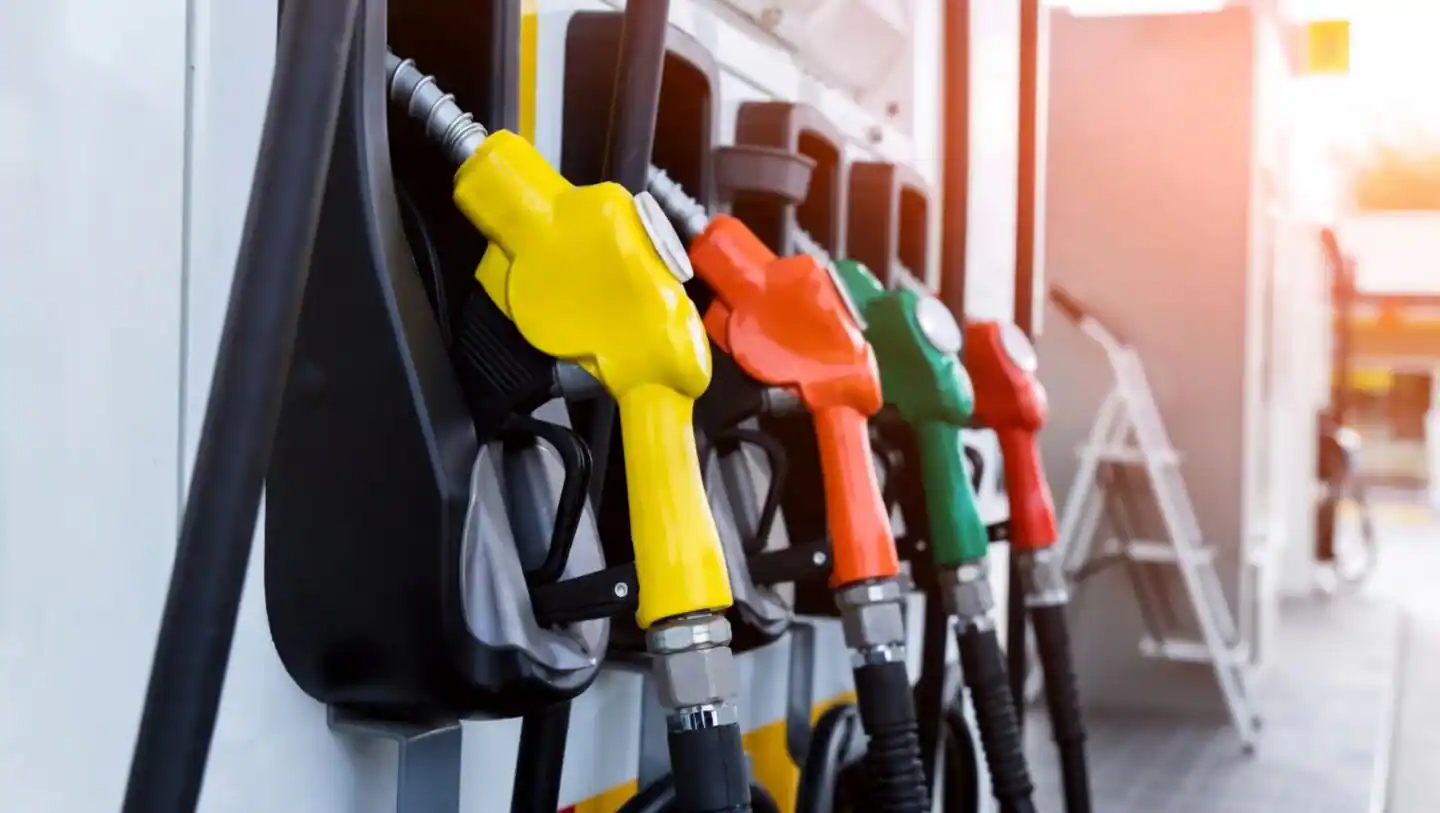
- Centre cuts Special Additional Excise Duty by Rs 10 per litre on petrol and diesel
- Retail prices remain unchanged; relief directed to oil companies
- Export duties imposed to boost domestic fuel availability
- Government to bear major revenue loss to curb inflation
GG News Bureau
New Delhi, 27th March: In a major fiscal intervention, the Centre on Friday reduced the Special Additional Excise Duty (SAED) on petrol and diesel by Rs 10 per litre each, aiming to cushion the impact of surging global crude oil prices on domestic fuel supply and inflation.
The decision comes as global crude prices have sharply risen, putting immense financial pressure on public sector oil marketing companies (OMCs) — Indian Oil Corporation, Bharat Petroleum Corporation and Hindustan Petroleum Corporation — which have continued to sell petrol and diesel at rates below cost.
Despite the excise duty cut, consumers will not see an immediate reduction in pump prices. The government clarified that the relief will instead offset mounting under-recoveries of OMCs, currently estimated at around Rs 26 per litre on petrol and Rs 81.90 per litre on diesel, with combined daily losses pegged at nearly Rs 2,400 crore.
Following the revision, excise duty on petrol now stands at Rs 11.9 per litre, while diesel attracts Rs 7.8 per litre. The SAED component has been reduced to Rs 3 per litre on petrol and completely removed on diesel.
To ensure adequate domestic supply, the government has also imposed export duties of Rs 21.5 per litre on diesel and Rs 29.5 per litre on aviation turbine fuel (ATF). These rates will be reviewed every fortnight. According to CBIC Chairman Vivek Chaturvedi, the export levies are expected to generate around Rs 1,500 crore in two weeks — a fraction compared to the estimated Rs 7,000 crore revenue loss from the excise cut.
The Petroleum Ministry said the move is designed to prioritise domestic fuel availability over exports, especially at a time when international prices have surged nearly 50% in the past month due to geopolitical tensions.
Petroleum Minister Hardeep Singh Puri stated that the government chose to absorb the financial burden rather than pass on steep price hikes to consumers, as seen globally.
Experts estimate that the excise reduction could result in an annual revenue loss of Rs 1.5–1.7 lakh crore for the government, while covering 30–40% of OMC losses at current crude prices.
Meanwhile, amid reports of panic buying triggered by misinformation, the government assured that India has sufficient fuel reserves for at least 60 days and dismissed rumours of any impending lockdown or fuel shortage.
Authorities also confirmed stable supplies of LPG, backed by imports and rising domestic production, urging citizens not to fall for misleading narratives circulating on social media.
