

By Dr. Kumar Rakesh
Not long ago, financial transactions in India were time-consuming and limited. Paying bills meant standing in queues, while transferring money required multiple steps and delays. For millions without access to banking, financial participation remained out of reach. Today, that reality has been fundamentally altered.
The Foundation: JAM Trinity
At the heart of this transformation lies the JAM Trinity—Jan Dhan accounts, Aadhaar, and mobile connectivity—which created a robust digital backbone. This framework enabled millions to enter the formal banking system, reduced leakages, and strengthened trust in financial transactions.
The Direct Benefit Transfer (DBT) system further accelerated adoption, familiarising citizens with digital platforms and paving the way for broader participation.
UPI: The Game-Changer
The launch of the National Payments Corporation of India’s Unified Payments Interface (UPI) in 2016 revolutionised how money moves. With a simple mobile-based interface, users can transfer funds instantly without needing bank details, using just a UPI ID or mobile number.
UPI’s interoperability and low-cost design have driven its rapid expansion—from 216 banks in 2021 to nearly 700 by early 2026—making it the backbone of India’s digital payments ecosystem.
By the Numbers
- 21.70 billion transactions in January 2026 alone
- ₹28.33 lakh crore processed in a single month
- 81% share of India’s retail digital transactions
- 49% share of global real-time payment transactions
These figures position India as a global leader in real-time digital payments.
Beyond Convenience: Inclusion in Action
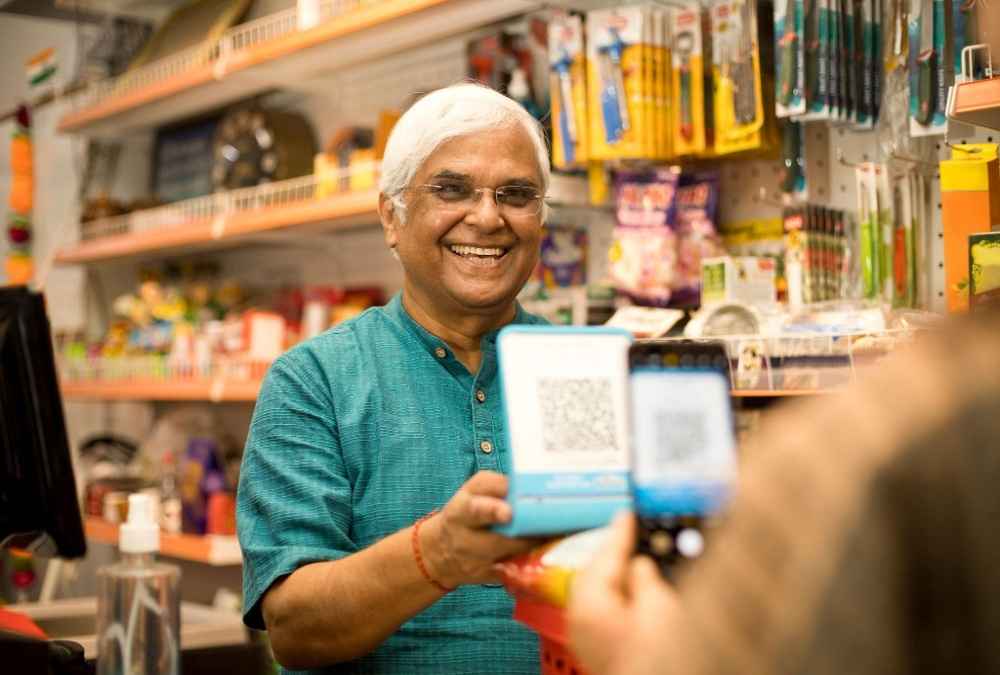
The true impact of UPI lies in its inclusivity. From street vendors accepting QR payments to farmers settling mandi transactions instantly, digital payments have reached the grassroots.
A domestic worker can now send money across states within seconds. Small merchants have access to formal credit systems. The divide between urban and rural, formal and informal economies is steadily shrinking.
Technology Meets Trust
Security and trust have been strengthened with measures like two-factor authentication introduced by the Reserve Bank of India, ensuring safer transactions and reducing fraud risks.
Innovations such as UPI Lite, AutoPay, and credit on UPI are further expanding its scope, integrating payments with savings, credit, and financial services.
Global Recognition
India’s digital payment model is now a global benchmark. Institutions like the IMF and World Bank have acknowledged its scale and inclusiveness, while countries across Asia, Europe, and the Middle East are adopting or linking with UPI systems.
From the UAE to France, India’s payment infrastructure is enabling cross-border transactions and strengthening its global fintech footprint.
A New Economic Reality
What began as an effort to include the unbanked has evolved into a powerful economic engine. UPI is no longer just a payment system—it is a platform driving financial inclusion, efficiency, and economic participation.
India’s journey from queues to QR codes reflects the success of technology-driven governance and inclusive innovation—reshaping not just how transactions happen, but how the nation progresses.
