
Ceasefire orTinderbox? US Iranian Streets Price Tag of a Shifting Middle East

Poonam Sharma
The world’s gaze is transfixed on the Middle East—a region where drone strikes, missile launches, and political maneuvers are daily headlines. But beneath the surface, this isn’t just about military clashes or shifting borders. It’s a grand contest for resources, influence, and the right to script the region’s future. With a fragile ceasefire just brokered, the specter of new threats from Donald Trump, and millions of Iranians pouring into the streets, the Middle East stands at a rare and dangerous crossroads.
The Real Fight: Beyond Geography
At first glance, the recent violence seems like another chapter in a long history of regional strife. But dig deeper, and this is a high-stakes, multi-layered game with global players. Iran and Israel are at the center, but the United States, Russia, and China loom large in the background. Leaders constantly invoke old accords and new treaties, from the concept of “Greater Israel” to the maneuvering of buffer zones and proxy militias. Intelligence agencies, military strategists, and economic powerbrokers are working overtime—each move analyzed, every document scrutinized.
Yet, in the region’s capitals and on social media, the narrative war is almost as fierce as the real one. Who controls this story? And what will the region look like when the dust settles?
The Ceasefire: Pause or Preparation?
Just days ago, a ceasefire was declared, offering a brief respite from the violence. But few believe it marks the end. The ink was barely dry when former US President Donald Trump issued a stark warning, threatening an “overwhelming response” to any escalation by Iran or its proxies. The mood in Washington is tense, with political divisions deeper than ever ahead of the winter elections. Some see the truce as a chess move—an opportunity to regroup, rearm, and redefine alliances before the next flare-up.
The Cost of War: Money, Drones, and Death
One of the most astonishing realities is the sheer cost of this conflict. Advanced drones—each costing upwards of $20,000—are countered by interceptor missiles worth a million dollars apiece. Every exchange burns through national treasuries, money that might otherwise go to schools, hospitals, or infrastructure. The economic bleeding is profound: billions spent yearly, with lives lost, families displaced, and entire cities disrupted.
Recent clashes have shown the calculus of modern war is brutal. It often takes several high-value missiles to bring down a single drone. The numbers don’t just add up—they multiply, leaving societies reeling from both the financial and human costs.
The Domino Effect on Oil and the Economy
At the heart of the chaos is oil. With each missile launch or blockade threat, global oil prices jump, sending shockwaves from Wall Street to Mumbai. The Middle East remains the world’s energy heart, and any hiccup here reverberates around the globe. Countries are willing to go to extraordinary lengths—diplomatic or military—to safeguard their interests. As reserves dwindle and extraction grows pricier, the pressure on leaders to maintain stability only intensifies.
Changing Alliances: The New World Game
The map of friendships and enemies is being redrawn in real time. The US, once the undisputed primary power broker in the Middle East, finds itself increasingly challenged by a rising axis of Russia, China, and Iran. These nations are shunning the US dollar, trading in yuan, and opening new commercial corridors. Even traditional US allies like Saudi Arabia are quietly hedging their bets, exploring oil deals in Chinese currency.
The Strait of Hormuz—long a flashpoint—remains a strategic prize. Control over this narrow waterway means influence over a third of the world’s oil shipments. Iran’s economic woes haven’t lessened its resolve; its partnership with China and Russia is becoming more than symbolic.
Iran’s Streets: The People Roar
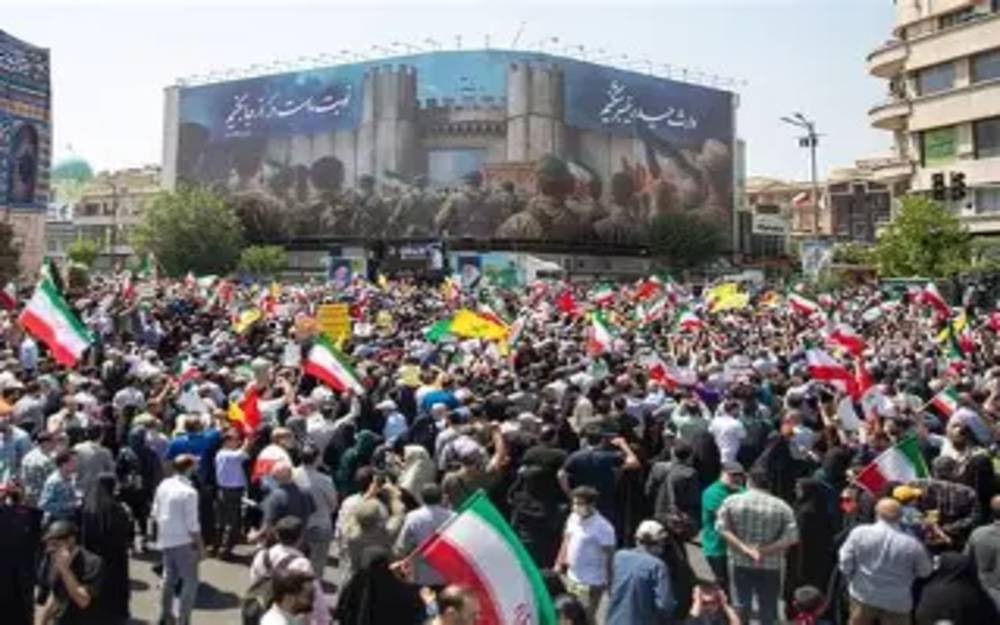
Perhaps the most striking image from the last week wasn’t a missile or a tank, but the sea of humanity flooding Iran’s cities. Over 15 million Iranians—around 1.5 crores—have taken to the streets in massive protests. Their demand to kill them, from economic relief to political freedoms, but their message is clear: people power cannot be ignored. This groundswell adds a volatile new layer to an already combustible situation, forcing both the regime and its rivals to recalculate their strategies.
What Comes Next: Diplomacy or Descent into Chaos?
With a ceasefire in place but trust in short supply, the road ahead is foggy. urged immediate, high-level diplomacy before the conflict bursts open again. Warnings follow that we should brace for a drawn-out period of uncertainty—with ripple effects on global security, energy prices, and political stability.
The choices made in the next few weeks—whether in war rooms, boardrooms, or on the streets—will shape not just the Middle East, but the trajectory of world politics. Cool heads could steer the region toward peace; hot tempers could plunge it into another era of costly, destructive conflict.
For now, the Middle East remains a grand, dangerous chessboard—one where the stakes are nothing less than the future of the global order.
