
New RBI Rules Kick In: 2FA Mandatory for All Digital Payments
UPI, cards, wallets see stricter security; banking, travel and PAN rules also revised

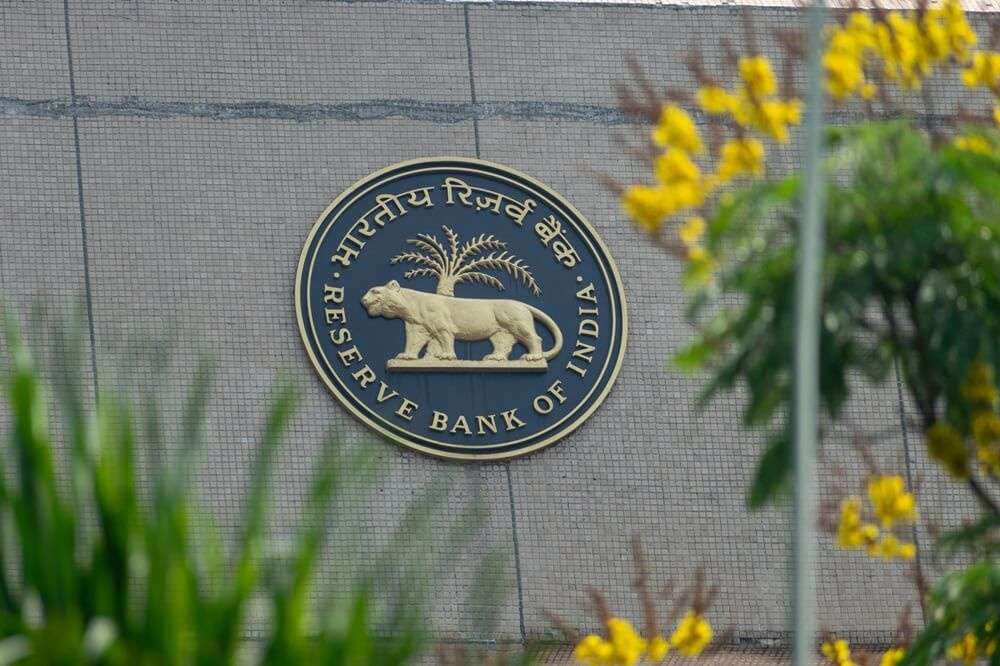
GG News Bureau
Mumbai, 1st April: A series of major changes in digital payments, banking and financial rules came into effect across India from April 1, with the Reserve Bank of India introducing stricter norms to curb fraud and enhance accountability.
Under the new framework, two-factor authentication (2FA) has been made mandatory for all digital transactions, including UPI, debit and credit cards, and mobile wallets. This means that one-time passwords (OTPs) alone will no longer suffice, and users must complete an additional verification step such as a PIN, password, biometric, or secure token.
The move aims to address rising cyber fraud risks, including phishing and SIM swap scams. While the process may take slightly longer, authorities say it will significantly improve transaction security.
Banks will adopt a risk-based approach—routine small payments from trusted devices may remain seamless, while high-value or suspicious transactions will require additional checks.
In a parallel move, the National Payments Corporation of India has introduced new operational limits to improve system efficiency. Users can now perform up to 50 balance checks per day per app, link a maximum of 25 bank accounts daily, and check pending transactions only three times with a 90-second gap.
Recurring auto-debit payments such as EMIs and subscriptions will now be processed during non-peak hours to reduce system load.
The new rules also place greater responsibility on banks and payment platforms. In cases where fraud occurs due to system lapses, institutions may be required to compensate users, with a focus on faster grievance redressal.
Beyond digital payments, several other financial changes have been implemented. ATM-related norms have been revised, with UPI-based cardless withdrawals now counting towards monthly limits in certain banks. Lounge access for RuPay Platinum debit card holders has been withdrawn.
The National Highways Authority of India has increased the FASTag annual pass fee to ₹3,075 for the 2026–27 financial year.
In the travel sector, Indian Railways has tightened ticket cancellation rules. Passengers cancelling tickets within eight hours of departure will no longer be eligible for refunds, while revised refund slabs apply for earlier cancellations.
Additionally, new PAN card rules have come into force, requiring applicants to submit valid proof of birth alongside Aadhaar. Names must match Aadhaar records, and updated forms have been introduced for different applicant categories.
