
‘Protests Are a Part of Democracy’: SC on CJP Agitation
Top court calls for independent probe into force used during CJP-led student agitation, says protests are vital to democracy

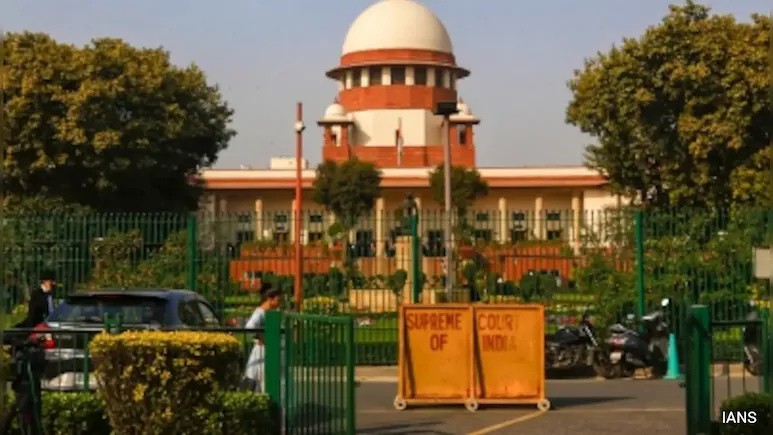
- Supreme Court calls for a new police protocol for handling protests.
- Court seeks an independent probe into alleged excesses during CJP-led student agitation.
- Centre says action will be taken if force was used unlawfully against students.
- Bench stresses peaceful protests are a constitutional right and part of democracy.
GG News Bureau
New Delhi, 28th July: The Supreme Court on Tuesday underlined the need for a new protocol governing police action during public agitations, observing that the guidelines laid down earlier were not followed during the Cockroach Janta Party (CJP)-led student protests in the national capital.
Hearing petitions related to the violence during the July 20 demonstrations, the Bench said an independent investigation was necessary to determine whether excessive force had been used and to fix accountability.
“There has to be a completely independent probe. Whoever has committed excess, law will take its course. Probe is meaningless if no responsibility is fixed,” the court observed.
The Bench noted that the protest had initially been peaceful and was held within the constitutional framework before violence erupted.
“We do not think there is a need for elaborate arguments. This was a completely peaceful protest by students… There are always uninvited guests. They arrive with an agenda, and very soon, they become co-hosts,” the Chief Justice remarked, referring to the possibility of anti-social elements infiltrating the demonstration.
The court reiterated that peaceful protests are an essential part of democracy and said it was necessary to revisit existing policing methods, including the use of tear gas and other crowd-control measures.
“Every stakeholder should come forward with constructive suggestions… We need to determine what kind of tear gas, or similar measures, should be used and whether their use should be permitted. After all, protests are a part of democracy,” the Chief Justice said.
Appearing for the Centre and the Delhi Government, Solicitor General Tushar Mehta told the court that the government was not taking allegations of police excess lightly and assured that action would be taken if unlawful force had been used.
At the same time, Mehta said around 250 police personnel were injured during the clashes and cautioned against demoralising the police force without a proper investigation.
He argued that the violence was likely carried out by anti-social elements rather than students, adding that the government would place material before the court regarding individuals with criminal backgrounds who allegedly infiltrated the protest.
Senior advocate Shyam Divan, appearing for the students, alleged excessive use of force by the police, including the use of pellet guns and violence by personnel in civil clothes. He submitted media reports and photographs to support the allegations.
The court also took note of allegations regarding the assault on lawyers by the Delhi Police but observed that the matter is already pending before the Delhi High Court.
The protests turned violent on July 20 after demonstrators attempted to march from Jantar Mantar towards Parliament. Police used tear gas and baton charges to disperse the crowd, leading to clashes and multiple detentions. The Supreme Court said it would continue hearing the matter while examining measures to ensure both public order and the protection of citizens’ constitutional right to peaceful protest.
