

Poonam Sharma
A Brave Step in South Asia:
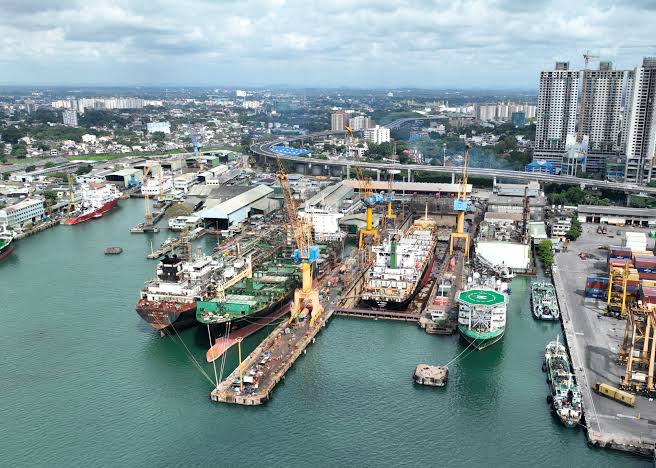
India’s purchase of a 51% stake in Colombo Dockyard in Sri Lanka is a big step in regional geopolitics. This big investment, made through an Indian defense company, not only strengthens India’s presence in the Indian Ocean, but it also serves as a strategic counter to China’s growing power in Sri Lanka and the surrounding area.
From a Small Stake to a Big Stake
India used to own 40% of the Colombo Dockyard. With this new step, Indian ownership goes over the important halfway point, giving India a controlling interest. Sri Lanka is looking for stable partners and help with its growing debt crisis at the same time that it is dealing with economic and political instability. The $26.8 million investment comes at a good time.
Why This Dockyard Is Important: Its Location and Power
The dock’s location is important. Colombo is a key hub for trade and military logistics because it is at the crossroads of major international shipping routes. There has been more competition between New Delhi and Beijing in the region since China’s Belt and Road Initiative (BRI) and its controversial deal to build a port in Hambantota, Sri Lanka. India’s gain in Colombo isn’t just about making money; it’s also about getting a good view of Chinese naval movements and being able to stop them if necessary.
China’s Maritime String of Pearls and India’s Reaction
China has been following a “String of Pearls” strategy for a long time, buying ports and other infrastructure on India’s borders, from Bangladesh and Myanmar to the Maldives and Sri Lanka. People in India’s strategic community are worried about this encirclement. India is sending a clear message by making sure it has a dominant stake in Colombo Dockyard: it is ready to fight China’s maritime expansion and protect its own interests in the Indian Ocean Region (IOR).
What Will India Get Out of It?
Better Security: India can keep an eye on maritime activity more closely with a bigger presence in Colombo, which will protect its own shipping and the shipping of the whole region.
Regional Influence: The deal strengthens ties between India and Sri Lanka, giving Colombo a choice other than relying on China.
Economic Growth: Indian companies can now grow their shipbuilding, repair, and logistics businesses in a major international port. This will create jobs and help technology spread.
Strategic Leverage: India has more control over port operations, which means it can help or stop certain naval or commercial activities. This gives India more power in regional negotiations.
Sri Lanka’s Point of View: Moving Toward India
Sri Lanka has had to rethink its international partnerships because of its recent economic problems and public unrest. The country was weak because it borrowed a lot of money from China, and assets like Hambantota Port were almost rented out to Beijing. India, on the other hand, has given Sri Lanka timely help in the form of fuel, medicine, and humanitarian aid, which has built trust and goodwill. This dockyard deal is the most recent sign that Colombo wants a foreign policy that is less dependent on any one power.
Problems and Criticisms
Skeptics argue that it is dangerous for India or China to control national assets. Sri Lanka’s biggest problem will be making sure that these investments actually help the economy and the people. India’s test is to use this stake not only for military gain, but also for real regional growth and cooperation.
The Big Picture: India’s Strategic Horizons Are Growing
India’s purchase of the Colombo Dockyard is part of a bigger plan for the region. India is trying to balance China’s aggressiveness by selling BrahMos missiles to allies in Southeast Asia and strengthening its defense ties with the US and Japan. The move also shows that India’s current leaders are confident enough to take big geopolitical risks and try to get respect and power in global forums.
A New Era in Diplomacy in the Region
India’s majority stake in Colombo Dockyard is not just a business deal. It shows that India is ready to stand up for itself, protect its interests, and keep the region stable. The next few years will show how this strategic foothold changes not only the relationship between India and Sri Lanka, but also the balance of power in the Indian Ocean as a whole.
