

By Anjali Sharma
WASHINGTON – US and Iran on Tuesday agreed to a short 15 day ceasefire, with Pakistan stepped up as mediator and both sides opening the door for wider negotiations, in a surprise diplomatic breakthrough media reported.
Pakistan Prime Minister Shehbaz Sharif, who mediated the negotiations between the US and Iran announced early Wednesday morning.
He wrote on X, minutes before US President Donald Trump’s deadline was about to expire “With the greatest humility, I am pleased to announce that the Islamic Republic of Iran and the United States of America, along with their allies, have agreed to an immediate ceasefire everywhere, including Lebanon and elsewhere, EFFECTIVE IMMEDIATELY”.
Iran Foreign Minister Abbas Araghchi confirmed the development.
In a statement issued on behalf of the Islamic Republic of Iran, Araghchi expressed his gratitude and appreciation for “my dear brothers HE Prime Minister of Pakistan Sharif and HE Field Marshal Munir for their tireless efforts to end the war in the region.”
“In response to the brotherly request of PM Sharif in his tweet, and considering the request by the U.S. for negotiations based on its 15-point proposal, as well as the announcement by POTUS about acceptance of the general framework of Iran’s 10-point proposal as a basis for negotiations, I hereby declare on behalf of Iran’s Supreme National Security Council: If attacks against Iran are halted, our powerful Armed Forces will cease their defensive operations.”
The statement added, “For a period of two weeks, safe passage through the Strait of Hormuz will be possible via coordination with Iran’s Armed Forces and with due consideration of technical limitations.”
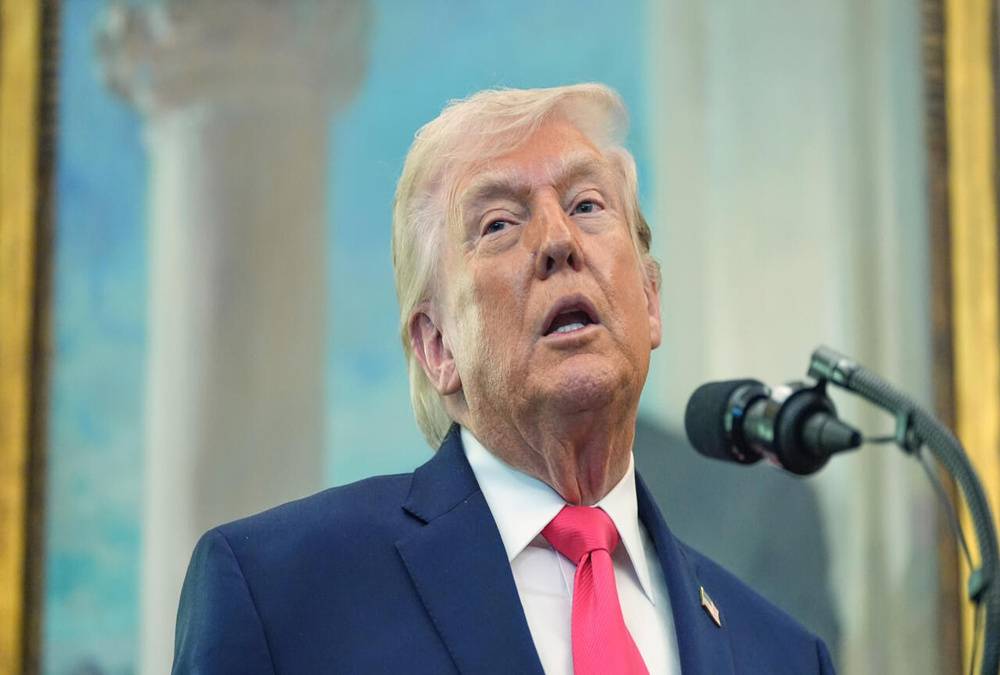
US President Trump also confirmed the development, posted the Iranian statement on his Truth Social.
The Iran10-point plan, according to state media, includes “complete cessation of the war on Iran, Iraq, Lebanon, and Yemen.
It reported ending all conflicts in the region in their entirety; reopening the Strait of Hormuz; establishing a protocol and conditions to ensure freedom and security of navigation in the Strait of Hormuz.
Iran also claimed that the US has agreed to “full payment of compensation for reconstruction costs to Iran and has committed to lifting sanctions.”
Iran funds and frozen assets held by the United States will also be released.
In exchange, Tehran has committed to “not seeking possession of any nuclear weapons.”
“An immediate ceasefire takes effect on all fronts upon approval of the above conditions.
Trump stepped back from brink of war with Iran as two-week ceasefire opens narrow diplomatic window
He pause fresh attacks on Iran before his deadline expired, but Tehran said the ceasefire is only a window for talks and not the end of the War.
Trump announced a two-week pause in attacks on Iran and Tehran responded with its own conditional halt to military operations.
The opening of the Strait of Hormuz has been placed at the centre of the arrangement, even as both sides continue to frame the move as a position of strength rather than retreat.
The pause is not being presented as peace.
Media reported fresh Israeli strikes, regional alerts and competing claims of victory suggest the situation remains fragile despite the ceasefire window.
The tensions over oil routes and regional security remain unresolved.
The move came barely 90 minutes before the cut-off time and has eased global concerns over a wider conflict.
The development follows weeks of rising tensions between Washington, Israel and Tehran, with the Strait of Hormuz at the centre of the crisis.
The narrow waterway, vital for global oil trade, has seen disruptions that pushed up energy prices and raised fears of a broader regional war.
Trump said the US would hold off action for two weeks, but only if Iran allows full and safe passage through the strait.
In a post on Truth Social, he described the move as a chance to move towards a long-term peace deal.
“The reason for doing so is that we have already met and exceeded all Military objectives, and are very far along with a definitive Agreement concerning long-term peace with Iran, and peace in the Middle East,” Trump wrote.
He claimed that key military goals had already been achieved and that talks were progressing towards a wider agreement in the Middle East.
According to Trump, Washington had received a “10-point proposal” from Iran, which he said could form the basis for negotiations.
He added that disagreements had been addressed, and the pause would help finalize a deal.
Iran indicated it may cooperate, though cautiously.
Foreign Minister Seyed Abbas Araghchi said Tehran would stop its operations if attacks against the country were halted.
He said Iran’s armed forces would allow limited movement through the strait for two weeks, subject to coordination and technical conditions.
“If attacks against Iran are halted, our Powerful Armed Forces will cease their defensive operations,” he said.
He added “For a period of two weeks, safe passage through the Strait of Hormuz will be possible via coordination with Iran’s Armed Forces and with due consideration of technical limitations.”
White House official said Israel had also agreed to the temporary pause, but details were not made public.
The announcement followed sharp rhetoric when Trump warned of severe consequences if no deal was reached.
Media reports of missile and drone activity in parts of the Gulf after the announcement have raised doubts about how the truce will hold despite the pause.
Diplomatic efforts at the UN Security Council have failed, with a proposal led by Bahrain to reopen the strait blocked by Russia and China.
The officials in Washington stressed that discussions are ongoing and no agreement is final yet.
The two-week window is seen as a critical period.
But the key issues remain unresolved, including sanctions, Iran’s nuclear programme and control over the shipping route.
India depends heavily on oil coming from the Gulf, even a small disruption in this route or a fresh spike in tensions could quickly hit the economy hard, the experts stated.
