
India Speeds Up Siang Dam as China Starts Tibet Project
Beijing starts world's largest hydropower project near Arunachal border, raising strategic concerns

GG News Bureau
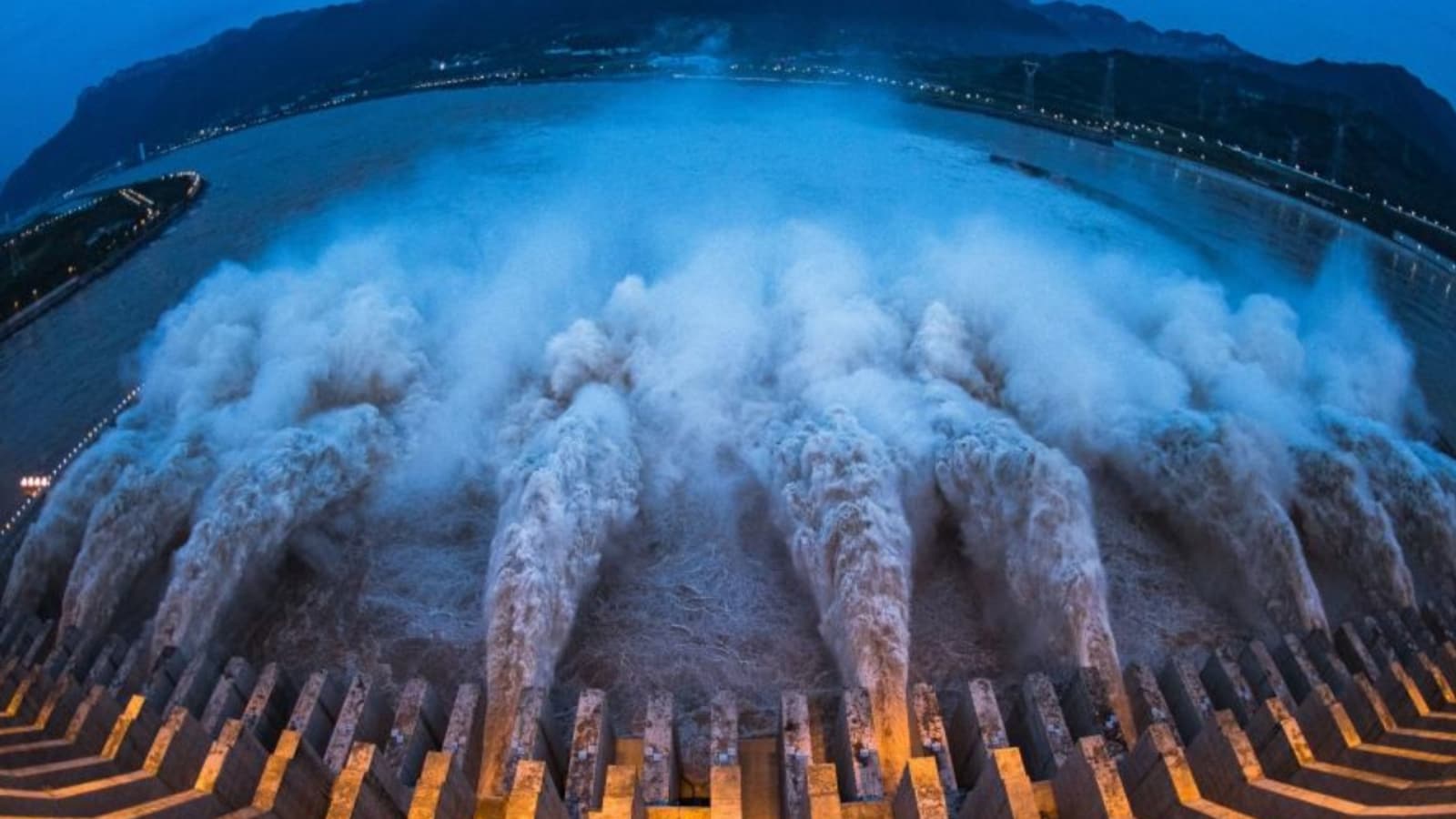
New Delhi, 20th June: China has officially started construction of the world’s largest hydroelectric dam on the lower reaches of the Yarlung Tsangpo river in Tibet, around 50 kilometres from the Arunachal Pradesh border, prompting India to accelerate its strategic response through the proposed Siang Upper Multipurpose Project (SUMP).
The Chinese Medog Hydropower Project, with an estimated capacity of 60,000 MW, is expected to become the world’s largest hydropower facility. In comparison, India’s proposed 11,000 MW SUMP on the Siang river in Arunachal Pradesh remains in the pre-feasibility stage, with pre-construction activities yet to begin.
Developed by state-run NHPC, the Siang project is estimated to generate around 47 billion units of electricity annually and is expected to cost nearly US$13 billion (around ₹1.5 lakh crore). Apart from power generation, the project is designed to help regulate downstream flooding and strengthen India’s water security.
The Yarlung Tsangpo enters India as the Siang river and later becomes the Brahmaputra, serving as a crucial water source for millions of people in Arunachal Pradesh and Assam.
Experts have raised concerns that a large upstream dam could alter river flows, impact ecosystems, affect agriculture and increase the risk of unpredictable flooding in downstream regions.
The Centre has said it is closely monitoring Chinese activities in the Brahmaputra river basin and has assured that necessary preventive and corrective measures will be taken to safeguard the interests and livelihoods of people in downstream areas.
India has also continued to press China for greater transparency, advance consultation and data sharing on projects involving transboundary rivers while strengthening flood forecasting systems, river monitoring mechanisms and infrastructure resilience across the Northeast.
