
Ashtalakshmi: How India’s Northeast Became Growth Powerhouse
A decade of connectivity, infrastructure and inclusive development has transformed India's strategic frontier

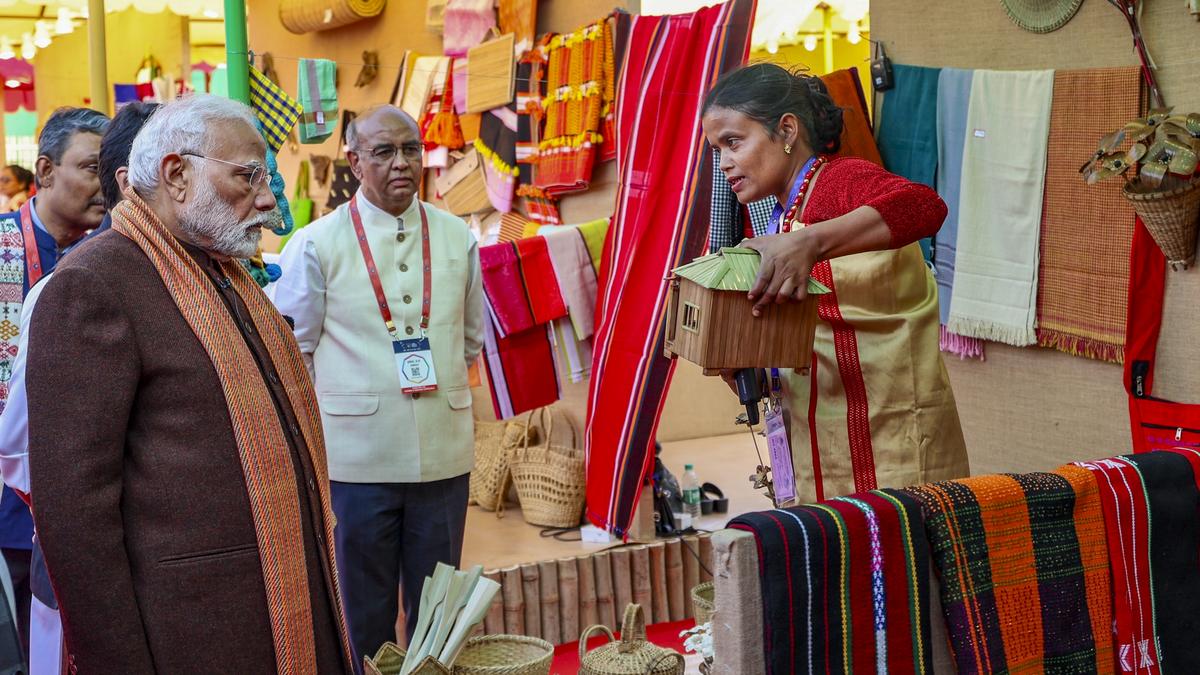

The transformation of India’s Northeast over the past decade represents one of the most significant shifts in the country’s development narrative. Once viewed largely through the lens of geographical remoteness and infrastructural limitations, the eight states of the region — collectively celebrated as Ashtalakshmi — are increasingly emerging as a strategic gateway for economic growth, regional connectivity and India’s Act East ambitions.
This transformation has been driven by sustained investment in physical, digital and social infrastructure. The expansion of highways, rail networks, airports and inland waterways has reduced isolation and improved access to markets, education and healthcare. The growth of the National Highway network from 10,905 kilometres in 2014 to over 16,200 kilometres by 2025, alongside major projects such as the Bogibeel Bridge, Sela Tunnel and the India–Myanmar–Thailand Trilateral Highway, reflects a conscious effort to integrate the region with national and international economic corridors.
Beyond connectivity, the development push has focused on improving everyday life. Access to tap water, sanitation, housing, healthcare and electricity has expanded significantly. Programmes such as Jal Jeevan Mission, Swachh Bharat Mission and PM Awas Yojana have helped bridge long-standing gaps in basic services, while institutions like AIIMS Guwahati and expanded educational infrastructure have strengthened human development indicators.
The Northeast’s development also carries strategic importance. Under the Act East Policy, the region has shifted from being a peripheral frontier to a crucial bridge connecting India with Southeast Asia. Improved border infrastructure, integrated check posts and cross-border connectivity projects have the potential to unlock trade, tourism and people-to-people exchanges.
The region’s rich natural resources are also positioning it at the centre of India’s clean energy transition. Hydropower projects, the North East Gas Grid, solar initiatives and emerging green hydrogen projects underline the attempt to balance economic growth with environmental responsibility. Agriculture, fisheries, organic farming, bamboo, agarwood and other local industries are gaining fresh momentum through market linkages, value addition and technology support.
However, the success of this transformation cannot be measured solely through infrastructure statistics or investment figures. The real test lies in ensuring that development remains sensitive to the Northeast’s ecological fragility, cultural diversity and the aspirations of local communities. Large infrastructure projects must continue to be accompanied by environmental safeguards, transparent governance and meaningful participation of the people who live in the region.
The Northeast’s journey from the margins to the mainstream is still unfolding. The progress achieved over the last twelve years demonstrates what sustained policy attention and targeted investment can accomplish. As India advances towards the vision of Viksit Bharat 2047, the continued rise of Ashtalakshmi will be crucial not only for regional prosperity but also for strengthening India’s economic, strategic and cultural footprint in the wider Asian landscape.
