
NCB Database Tracks 9.5 Lakh Drug Offenders
Government expands anti-drug network with 30 NCB zonal offices, nationwide ANTFs and strengthened NCORD mechanism

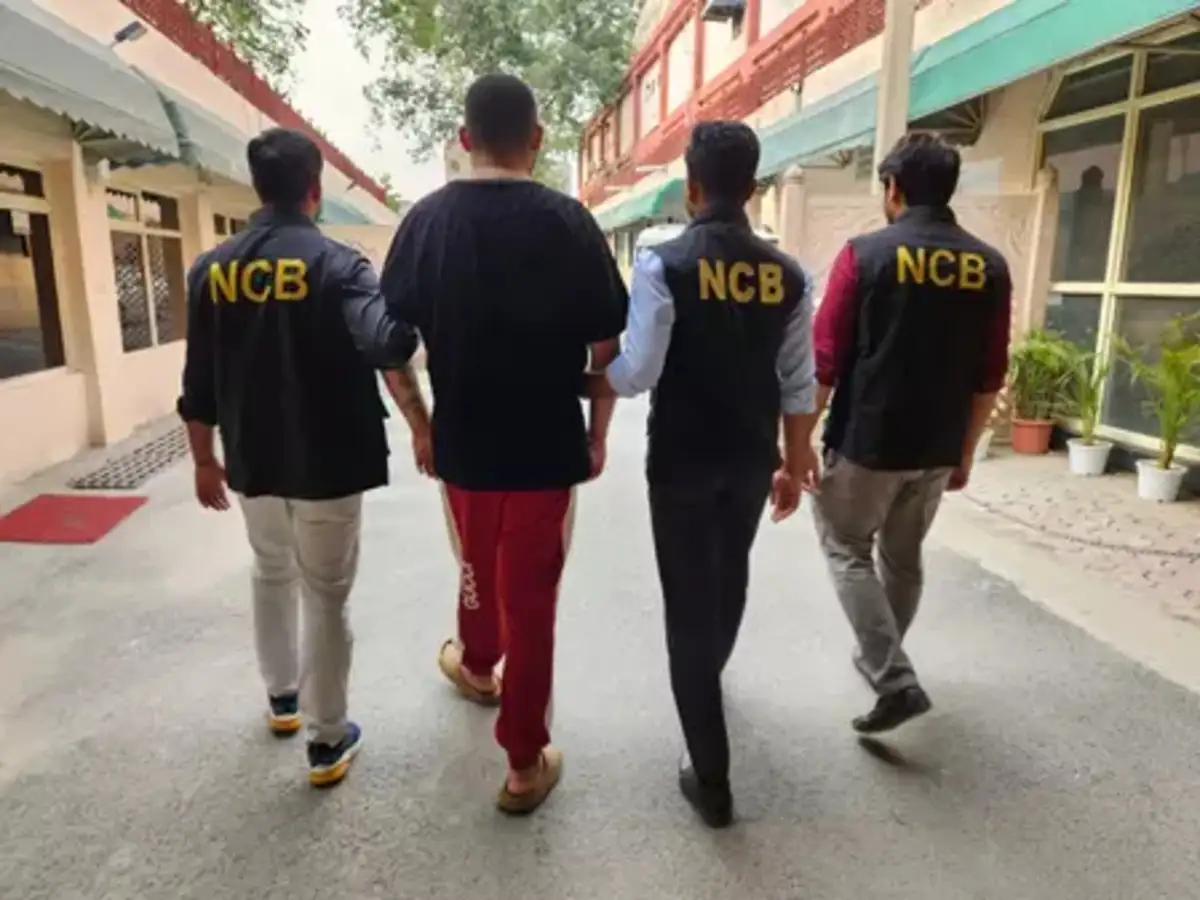
- NIDAAN database now contains searchable records of around 9.5 lakh NDPS offenders.
- NCB expands its zonal offices from 13 to 30, with six more approved.
- Anti-Narcotics Task Forces notified in all 36 States and Union Territories.
- Drug enforcement agencies recorded over 1.48 lakh NDPS cases and 1.83 lakh arrests in 2025.
GG News Bureau
New Delhi, 30th July: The Centre on Wednesday informed the Rajya Sabha that it has significantly strengthened the country’s anti-drug enforcement framework by expanding the Narcotics Control Bureau (NCB), establishing Anti-Narcotics Task Forces across all States and Union Territories, and creating a national database of nearly 9.5 lakh arrested and convicted narcotics offenders.
Minister of State for Home Affairs Nityanand Rai, in a written reply, said Drug Law Enforcement Agencies (DLEAs) continue to intensify action under the Narcotic Drugs and Psychotropic Substances (NDPS) Act, 1985, resulting in substantial drug seizures, arrests, financial investigations and destruction of illicit cultivation.
The government said the Narco-Coordination (NCORD) mechanism has been strengthened through a four-tier structure comprising Apex, Executive, State and District levels to improve coordination among ministries, states and enforcement agencies. So far, 10 Apex NCORD meetings, 7 Executive meetings, 272 State-level meetings and 16,187 District NCORD meetings have been conducted to improve intelligence sharing and coordinate anti-drug operations nationwide.
To support enforcement, the government has also launched the NCORD Portal, which serves as a knowledge management platform and repository of information on anti-drug initiatives.
The Ministry said Anti-Narcotics Task Forces (ANTFs) have now been notified in all 36 States and Union Territories. An ideal ANTF template was circulated to states in June 2026 to strengthen organisational capacity and standardise anti-drug operations.
The Narcotics Control Bureau has expanded its operational presence by increasing the number of zonal offices from 13 to 30, including new offices at Gorakhpur, Siliguri, Agartala, Itanagar and Raipur. Approval has also been granted for six additional zonal offices at Port Blair, Dimapur, Aizawl, Shimla, Shillong and Gangtok.
The government has also operationalised the National Integrated Database on Arrested Narco-Offenders (NIDAAN) in collaboration with the Inter-Operable Criminal Justice System (ICJS). The database currently contains around 9.5 lakh searchable records of arrested and convicted persons under the NDPS Act, including identity details, fingerprints, photographs and court-related information. The portal assists investigating agencies in monitoring repeat offenders, opposing bail applications and initiating preventive detention under the Prevention of Illicit Traffic in Narcotic Drugs and Psychotropic Substances (PITNDPS) Act, 1988.
According to official data, Drug Law Enforcement Agencies seized 13.89 lakh kg of narcotics in 2023, 13.30 lakh kg in 2024 and 12.41 lakh kg in 2025. During 2025 alone, agencies registered 1,48,063 NDPS cases and arrested 1,83,675 persons, the highest in the three-year period.
The government further stated that 10.09 lakh kg of seized narcotics were disposed of in 2025. Enforcement agencies also destroyed 42,685 acres of illicit poppy cultivation and 38,219 acres of illegal cannabis cultivation during the year.
Financial investigations have also intensified, with the value of properties frozen or seized increasing from ₹276 crore in 2023 to ₹836 crore in 2025. Preventive detention under the PITNDPS Act also rose significantly, with 810 detention orders issued in 2025, compared with 450 in 2023.
The Ministry said the strengthened enforcement architecture reflects the government’s focus on disrupting drug trafficking networks through technology, intelligence sharing and coordinated action across central and state agencies.
