
RSS Leader Ramlal Calls for Women Farmers’ Recognition
Women Farmers Call for Policy Reform; RSS leader Ramlal says women must gain recognition as farmers and agricultural entrepreneurs

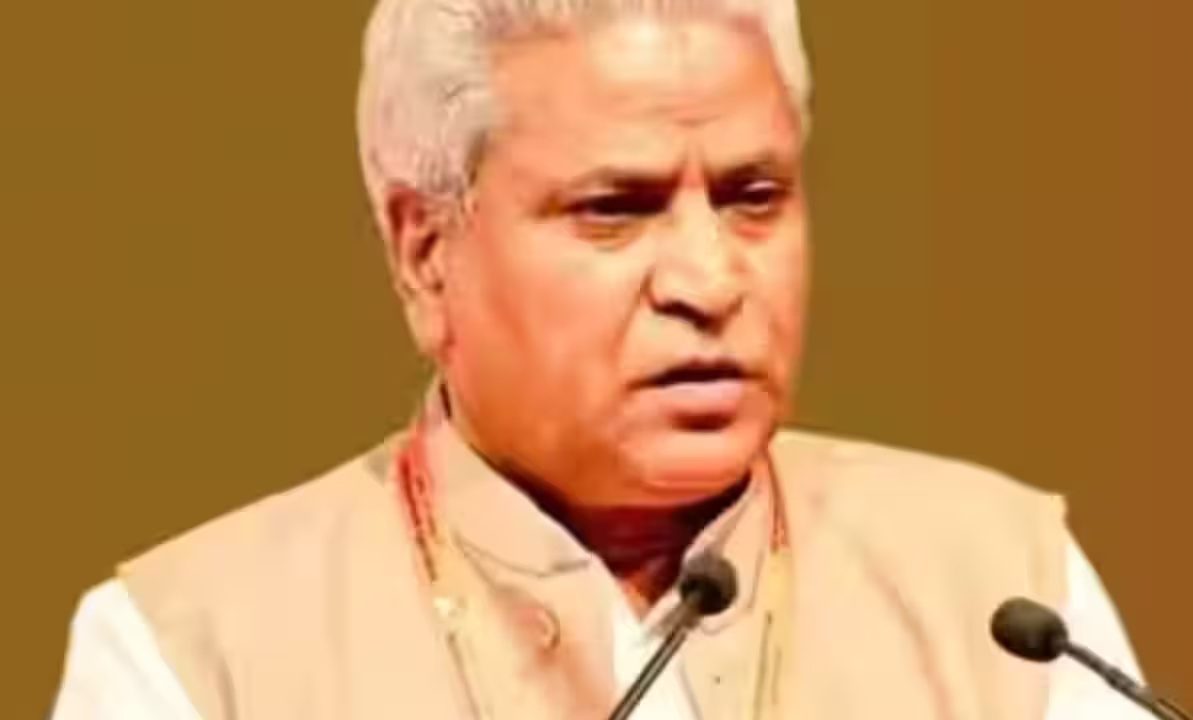
- Around 5,000 women farmers attended the Delhi conclave.
- RSS All-India Contact Chief Ramlal sought greater legal recognition for women farmers.
- Conference called for policy changes and sustainable agriculture.
- Five pillars included organic farming and remunerative prices.
GG News Bureau
New Delhi, 2nd Oct: RSS All-India Contact Chief Ramlal said the Bharatiya Kisan Sangh’s first national women farmers’ conference highlighted the growing role of women in Indian agriculture and called for changes in agricultural policies to place women at the centre of decision-making.
Speaking after the All India Women Farmers’ Workers Conclave at Indira Gandhi Indoor Stadium on Wednesday, Ramlal said around 5,000 women farmers and office-bearers from across the country, including Arunachal Pradesh and Manipur, attended the event after travelling to Delhi at their own expense.
Ramlal said women farmers should receive legal and social recognition not merely as agricultural workers but as farmers and agricultural entrepreneurs capable of taking independent decisions.
He said women have traditionally played a major role across the agricultural cycle, from sowing and harvesting to preserving indigenous seeds and rearing livestock. According to him, women perform nearly 60–70 per cent of the physical labour associated with agriculture, but are often recorded as agricultural labourers or family helpers.
The conference, organised under the guidance of the Bharatiya Kisan Sangh’s women’s wing, sought to address this gap and promote greater recognition, dignity and self-reliance among women farmers.
Ramlal said the conference, held against the backdrop of the United Nations-declared International Year of the Woman Farmer 2026, went beyond an organisational gathering and represented a call for restructuring agricultural policies.
Discussions at the conference included the role of traditional agriculture in achieving the vision of a developed and healthy India by 2047, with “Gau-Krishi-Vanijyam”—cattle, agriculture and commerce—also featuring in the deliberations.
Opposition to genetically modified seeds and gene-editing technology was among the issues highlighted by Ramlal. The conference identified five key pillars: toxin-free farming and cow-based organic agriculture, nutritious food, disease-free living, an addiction-free society and remunerative prices for agricultural produce.
Ramlal urged the Centre and state governments to make women farmers a central focus of agricultural policies and ensure easier access to credit, local processing facilities and markets for organic products.
He also called for greater emphasis on rural women’s participation in agricultural decision-making, arguing that sustainable rural development should recognise their contribution and strengthen their economic independence.
