

By Anjali Sharma
WASHINGTON – The Gen Z young people on Sunday marched in over 30 German cities as the day got the name “Gen Z regelt,” which loosely means “Gen Z gets it done.”
Media reported 180,000 people had signed up online across 34 cities, though only a fraction showed up.
They showed up with homemade signs, backpacks, and a long list of things that feel broken. Schools are crumbling, rent keeps climbing, and a military draft looms over their futures.
On a night meant for costumes and candy, Germany’s youngest voters decided it was time to be heard.
The date was no accident. It was Halloween, so cities were already busy. Police said they expected a heavy workload that day even without any protests.
The mood was mostly calm. The evening was a different story, and we will get to that.
Two groups pushed the call. They are “Gen Z regelt” and “Gen Z steht auf,” which means “Gen Z stands up.” The motto was “Our future is in our hands.”
The groups said they are not tied to any party. They also say extremists and hate symbols have no place at their events. Co-initiator Akram Selo said the group distances itself from any violence.
Three days before the protests, reports described organizational chaos, with the initiative still looking for people to take responsibility. That is common with movements born on social media. Sign-ups spread fast. Paperwork does not.
Germany did not start this. Young French people went first, and the wave then jumped across Europe. Big demos had already happened in France, Italy and Belgium.
In France, students blocked schools. Nationwide protests began on September 29, and in the Rhône area pupils blocked schools for a fourth day in a row. Officials banned gatherings around 44 schools.
German students watched this closely. The first solidarity actions in support of French pupils had already happened in Germany. Berlin saw one on October 17.
The list is long. The groups name education, affordable living, rising costs, social injustice, a possible military draft and climate change. “Gen Z regelt” also wants action on broken schools.
Money is a big theme. The protesters said cuts hit education, social services, culture and health. They also say big companies keep profiting while billions go into rearmament.
One line from their position paper stands out. It says that wherever they look, they see crises and almost no future for themselves.
A few demands, in plain words:
– Fix crumbling school buildings.
– Make daily life cheaper for young people.
– Stop the push for a mandatory military service.
– Give young people a say in decisions.
The students hit the streets over it.
Jacobin reported that tens of thousands of high school students went on strike across Germany over the likely return of military service.
That article also described pushback from authorities. Students faced discipline, including threats of expulsion. In Halberstadt, students were reportedly locked in a classroom to keep them from a demo. In Berlin, police arrested several students afterward.
The strike also had friends. The national teachers’ union, left-wing parties and pacifist groups backed the students.
Online sign-ups looked huge. More than 140,000 people had registered for protests in 23 cities by the Thursday before. By Saturday, organisers said over 160,000 had confirmed.
Real crowds were smaller. A click on “I’m in” is easy. Standing outside for hours is harder.
Police counted about 5,000 people at the Brandenburg Gate. Organisers claimed 10,000. Earlier in the day, police had counted 2,700 there.
Police also expected different crowds elsewhere. In Cologne, they expected about 15,000. Frankfurt organisers expected 1,700. In Leipzig and Dresden, about 4,000 people each had said they would come.
Magdeburg held a protest against the draft, rising costs and education cuts. A final nationwide count was not available yet on November 1.
The mood at the Berlin rally was personal. Many people carried homemade signs. Some read “We want a livable future” and “What are you doing with our future.”
Politics showed up too. One large banner said “Merz muss weg,” meaning Merz must go. That is a jab at the chancellor.
The crowd was young, with students leading the way. Many were teenagers. Some were still in school uniform-free hoodies and carrying backpacks. That is the look of a school-night movement, even on a Saturday.
Officials worried before anything happened. Some said extremists might hijack the day.
Interior Minister Alexander Dobrindt warned that left-wing extremism was coming back strongly.
Hesse’s interior minister, Roman Poseck, said the mobilization was being used by the left. The German police union warned of infiltration by violent left-wing extremists and Islamists.
Stuttgart said it saw no sign the demo would turn violent, and it had no legal basis to ban it. Thuringia’s education minister, Christian Tischner, said he wanted to take the concerns seriously.
The federal student council backed the demands. But it distanced itself from the October 31 protests, saying violence would distract from the real problems.
In Berlin, police planned to have around 1,000 officers out on Saturday. A report also mentioned 1,500 extra officers.
Hesse promised strong police presence in Frankfurt. The fear was a repeat of what happened in France and Italy.
Most of the daytime events stayed calm. Police said the day was fairly peaceful overall, but they still had to step in over crimes. Some fireworks went off.
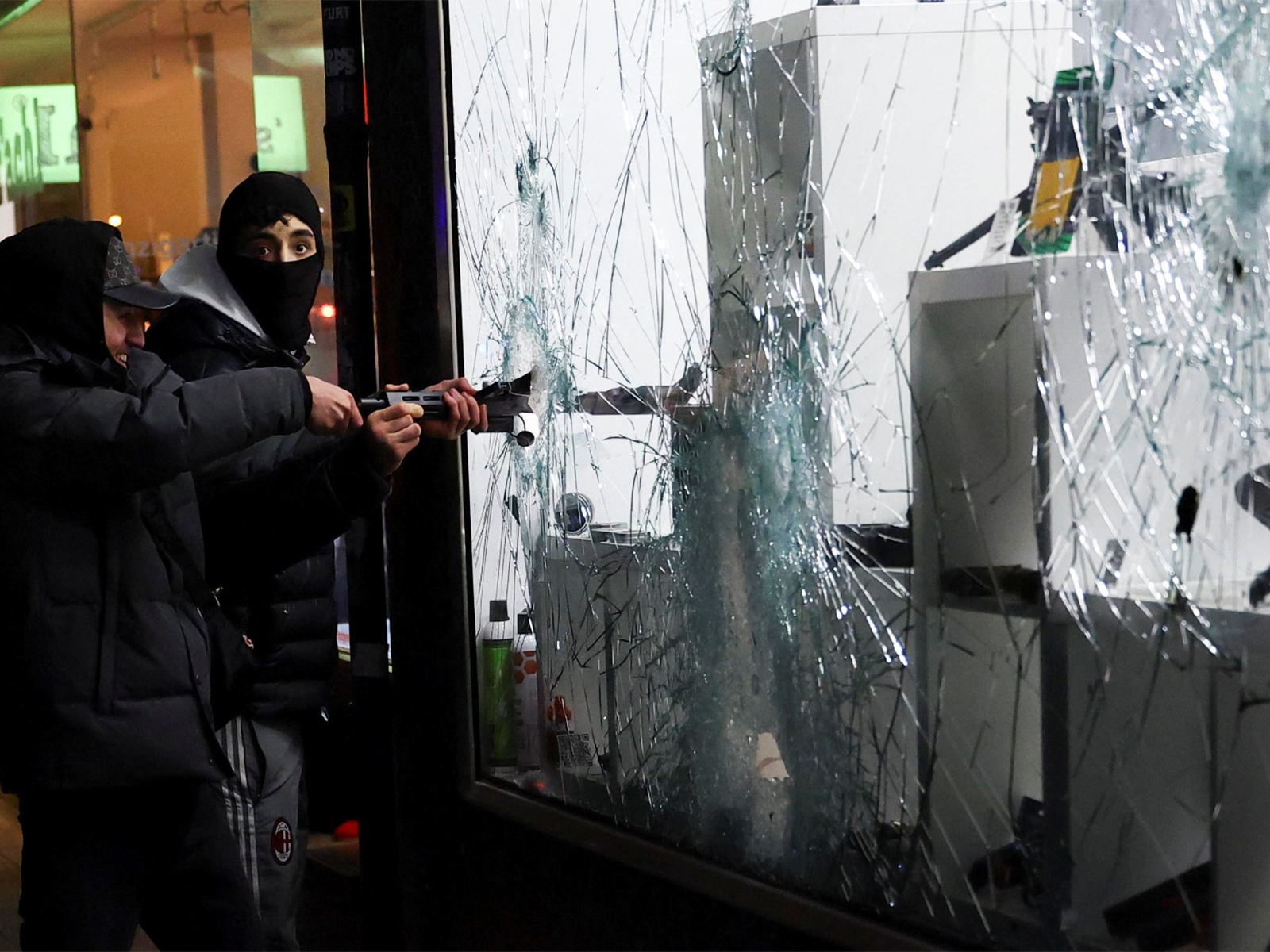
At a march in Berlin called “GenZ hat genug,” people threw firecrackers, stones, bottles and eggs at police. Police stopped the march early and temporarily detained up to 56 people. They said 27 officers were lightly hurt.
That evening march was linked to the protest wave but was not part of the “Gen Z regelt” program.
Andreas Roßkopf said the protests had turned out very peaceful. He said violence came after the official events and came from autonomous, partly masked people.
He warned against judging the whole day by images of masked people and fireworks, and said most young people protested peacefully.
The label has traveled. Bangladesh’s July Uprising is widely seen as the first successful “Gen Z” revolution. Nepal followed with its own in 2025.
Germany is a rich democracy with free elections. Nobody is trying to topple a government overnight. The anger is about schools, rent, prices and being drafted.
Gen Z uses social media as a main way to organise. One TikTok post can start a protest idea. Even a small town like Cuxhaven saw a call spread that way. Police there knew of a TikTok call but had no official registration.
The organizers say this is just the start. One slogan said October 31 is only the beginning.
Thousands of young Germans stood outside on a holiday and said they feel ignored.
