
Anti-Paper Leak Bill to End Exam Fraud Ecosystem: Pralhad Joshi
New Education Minister says tougher law will strengthen transparency, fairness and credibility of public examinations

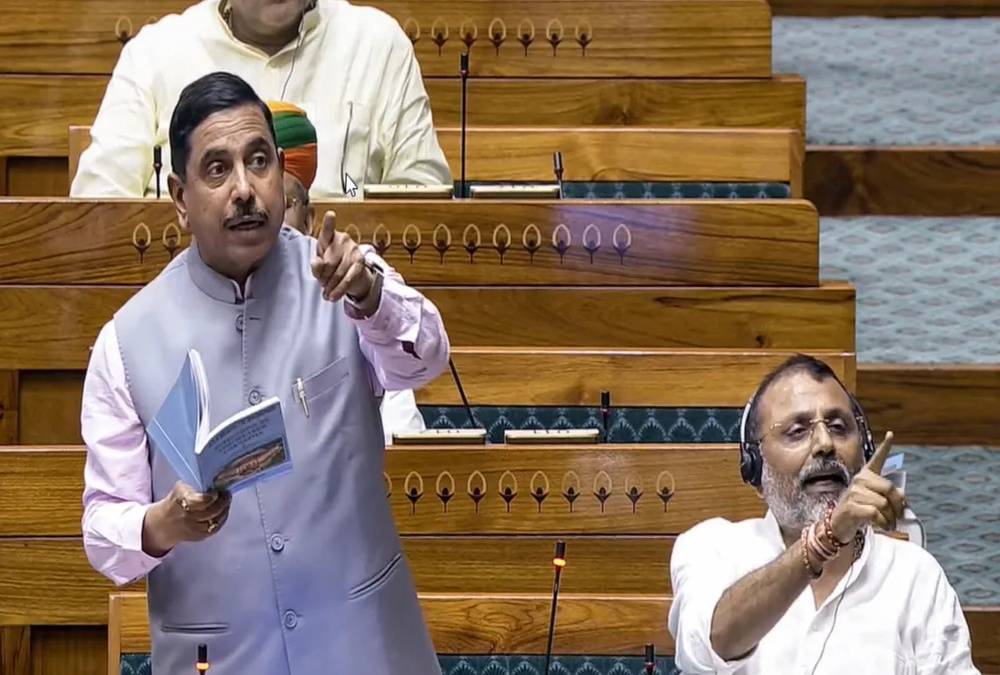
- Pralhad Joshi says anti-paper leak Bill will dismantle the exam fraud ecosystem.
- Proposed law doubles maximum jail term to 10 years and raises fines above ₹10 crore.
- Service providers involved in exam fraud face penalties, cost recovery and four-year debarment.
- Government says reforms aim to ensure transparent and fair public examinations.
GG News Bureau
New Delhi, 29th July: Union Education Minister Pralhad Joshi on Tuesday said the Public Examinations (Prevention of Unfair Means) Amendment Bill, 2026 will dismantle the “paper leak ecosystem” by introducing stricter penalties and strengthening transparency, credibility and fairness in public examinations.
The statement came a day after the Lok Sabha passed the legislation aimed at curbing examination malpractices through a tougher legal framework.
In a post on social media platform X, Joshi said the new law would significantly strengthen the fight against exam fraud.
“The Lok Sabha has passed the Public Examinations (Prevention of Unfair Means) Amendment Bill, 2026, ushering in a tougher legal framework to combat examination malpractices,” he said.
“With stricter penalties, fast-track courts, enhanced investigation mechanisms and stringent action against exam fraud, the Bill aims to dismantle the paper leak ecosystem and increase transparency, credibility and fairness in the examination process,” the minister added.
The proposed legislation doubles the maximum imprisonment for those found guilty of leaking examination papers from five years to 10 years, while increasing the maximum fine to more than ₹10 crore.
The Bill also widens accountability by bringing agencies involved in conducting examinations, managing examination centres, providing technology support and handling logistics within its ambit.
Under the proposed law, such service providers may face penalties of up to ₹1 crore, recovery of examination-related costs and debarment from conducting examinations for up to four years if found involved in malpractice.
Additionally, directors, senior executives and other officials of service providers could face stricter punishment if found complicit in examination fraud.
The legislation was introduced following weeks of nationwide protests over alleged paper leaks. Demonstrations intensified after violence erupted during the July 20 “Sansad Chalo” march in New Delhi, where protesters clashed with police after attempting to march from Jantar Mantar towards Parliament.
The protesters had demanded the resignation of then Education Minister Dharmendra Pradhan, withdrawal of police cases against demonstrators and financial compensation for the families of NEET aspirants who died by suicide.
Following the Centre’s acceptance of the latter two demands and Pradhan’s resignation, the protests were called off. However, protest organisers have warned that demonstrations could resume if the government fails to implement its commitments.
