

By Anjali Sharma
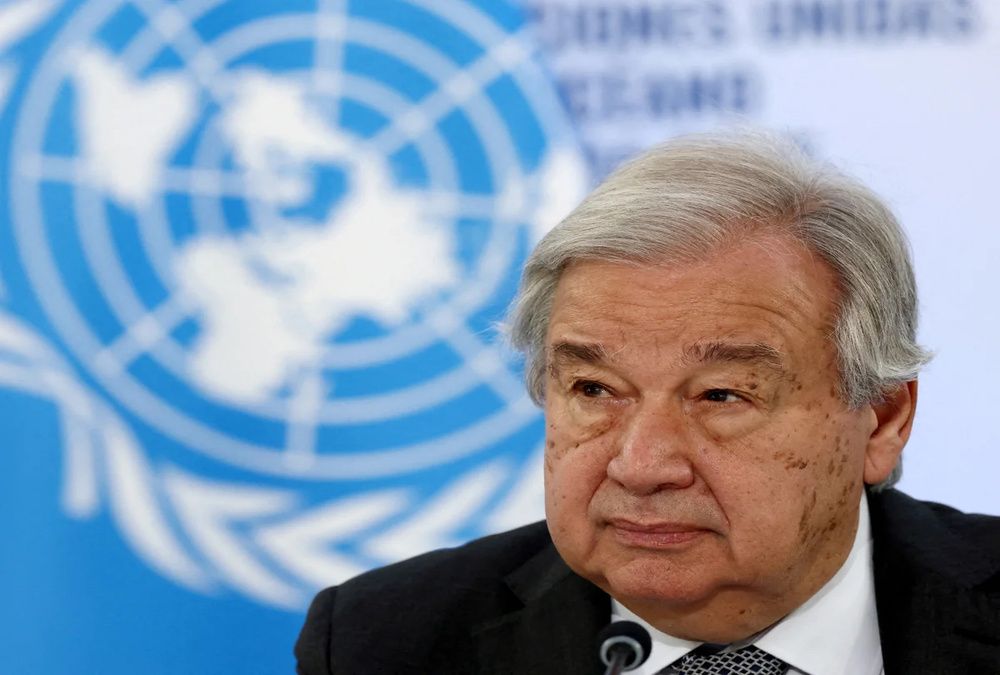
UNITED NATIONS – UN chief Antonio Guterres on Wednesday welcomed the US decision to extend a fragile ceasefire with Iran has kept a narrow window open for diplomacy, but fresh security incidents in the Strait of HORMUZ underscore the volatility of the situation and the risks to global shipping and regional stability.
Guterres welcomed the move, called it “an important step toward de-escalation and creating critical space for diplomacy and confidence-building between Iran and the United States.”
UN spokesman Stephane Dujarric in a statement issued late on Tuesday stated that António Guterres urged all sides to “refrain from actions that could undermine the ceasefire” and to engage constructively in negotiations toward a lasting resolution.
He also expressed support for Pakistan’s efforts to facilitate talks, voicing hope they could help create conditions for a “comprehensive and durable” settlement.
He noted that the status of those negotiations remains unclear.
The statement stressed that as diplomatic efforts continue, tensions remain high in and around the Strait of Hormuz one of the world’s most critical maritime chokepoints – with reported tit-for-tat ship seizures off the Iranian coast.
The United Kingdom Maritime Trade Operations which monitors maritime safety, reported that a cargo vessel west of Iran came under fire and was forced to halt, while a container ship northeast of Oman sustained heavy damage to its bridge after being targeted by an armed vessel. In both cases, crews were reported safe, media reported.
Mr. Guterres said that the narrow waterway, linked the Persian Gulf to global markets, carries a significant share of the world’s oil and gas supplies.
UN reported that since the US-Israeli bombing of Iran began in late February, maritime traffic has dropped sharply and insurance costs have surged.
Head of the UN maritime agency warned in a statement later on Wednesday that the situation remains “extremely volatile.”
IMO Secretary-General Arsenio Dominguez said “The attacks on and seizures of commercial ships are unacceptable,” calling for “these reckless actions to cease” and for affected ships and crews to be released.
He described the conditions faced by seafarers in the region as highly precarious, citing accounts of “constant stress of missiles overhead” and ongoing uncertainty for nearly 20,000 crew members still stranded after weeks of disruption.
“De-escalation, meaningful actions and restoring the freedom of navigation is the only way forward,” he added.
In Lebanon, a separate 10-day ceasefire has allowed tens of thousands of displaced families to begin returning, although many homes and other infrastructure suffered damage during the fighting between Israeli forces and Hamas militants.
According to the UN Office for the Coordination of Humanitarian Affairs over 120,000 people remain displaced in collective shelters across the country, despite a 20 per cent decline since the ceasefire began on 17 April.
Many returns in southern Lebanon remain restricted due to ongoing military presence, with at least 74 localities still considered unsafe.
UN Spokesperson Stéphane Dujarric confirmed the death of another French peacekeeper who had been critically injured in an attack in southern Lebanon on Saturday.
Corporal Anicet Girardin, 31, succumbed to his wounds after his explosive ordnance disposal team came under fire while clearing a road to restore access to UN positions, spokesman told reporters in New York.
The attack also claimed the life of Sergeant-Chef Florian Montorio, and wounded another peacekeeper. Initial assessments by the mission indicated the peacekeepers likely came under fire from Hezbollah militants.
He was the 5th UNIFIL peacekeeper to be killed during the current hostilities.
Humanitarian needs remain severe, with access constraints, funding shortages and continued tensions limiting the response.
UN agencies warned that food prices have risen by six per cent since February, added pressure on already vulnerable households.
Many families are selling assets or borrowing to cope, with women and girls often bearing the brunt of the crisis.
Over 22% of agricultural land has been impacted by hostilities, and over three quarters of farmers in southern Lebanon have been forced to suspend work, according to Lebanese authorities.
UN Resident and Humanitarian Coordinator Imran Riza, said “Across Lebanon, women are playing a critical role in sustaining families and supporting communities through the crisis,” stressed that their protection and leadership must remain central to the response.
He noted that in the southern city of Tyre, displaced women are leading community efforts to support food access, preparing thousands of daily meals through initiatives backed by UN agencies and local partners.
The health system is under severe strain, he concluded.
OCHA reported 6 hospitals have been forced to close with 15 sustained damage and dozens of primary healthcare centres are no longer operational.
World Health Organization has recorded 147 attacks on healthcare, resulting in 100 deaths and more than 230 injuries among medical staff.
