
Lutyens Delhi: The Congress Legacy of Political Opportunism Behind Slums and Power

Poonam Sharma
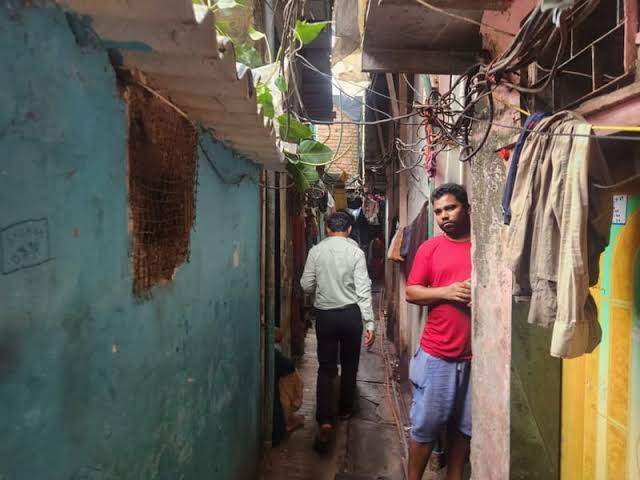
Lutyens Delhi, often hailed as the seat of India’s power, masks a harsh and uncomfortable reality beneath its polished facade. While the broad avenues, grand government buildings, and elite neighborhoods project an image of authority and prestige, the shadows of sprawling slums and makeshift settlements reveal a different story—a story shaped significantly by the Congress party’s political maneuvering and neglect over decades.
Since Independence, Delhi evolved as the political nucleus of India, attracting migrants from across states, especially from politically influential regions of Uttar Pradesh. These migrants arrived with hopes of employment and better living standards. Yet, many ended up living in servile quarters and slums adjacent to VIP zones, a grim testament to systemic failure. Congress, dominating national politics for much of this period, played a double game—professing concern for the marginalized while exploiting their existence for political mileage.
The Gandhi family’s visits to these slums have often been criticized as mere photo-ops designed to project an image of empathy and connect with the common people. Media-covered trips to selected households served as political theater rather than genuine engagement. Critics argue these visits were choreographed to reinforce Congress’s populist image without delivering substantive change. Congress and its supporters dismiss such allegations, claiming these were democratic efforts to understand grassroots issues. However, decades of unaltered slum conditions speak volumes about the party’s priorities.
The proximity of extensive slum clusters to critical government and military installations in Delhi highlights a paradox. Rather than addressing the root problems of poverty and housing, Congress often preserved these slums for political convenience, treating their residents as vote banks rather than citizens deserving dignity and development. Opposition parties have long accused the Congress-led administrations of maintaining this status quo to manipulate electoral outcomes, sacrificing the welfare and security of the city.
Social activists counter that slum dwellers form an integral part of Delhi’s economy and society, emphasizing that forced evictions without viable rehabilitation only worsen their plight. Yet, Congress’s inability or unwillingness to implement comprehensive housing reforms has perpetuated cycles of poverty and exclusion.
With the political shift in 2014, the narrative around Delhi’s urban landscape changed dramatically. The new government undertook aggressive redevelopment and eviction drives, aiming to modernize and secure the capital. These efforts exposed the previous regime’s complacency and failure to balance development with social justice. While the current actions have sparked debates on rehabilitation effectiveness, they undeniably underscore the Congress era’s neglect and opportunistic politics regarding urban poor populations.
Today, “Lutyens Delhi” symbolizes more than just geography—it epitomizes a political system entrenched in privilege, exclusivity, and exploitation. Congress critics argue that this elite enclave benefited a narrow class while ignoring the vast majority living in deprivation just beyond their walls. Supporters may frame it as institutional continuity, but the glaring disparities and unfulfilled promises reveal the darker underbelly of Congress’s governance.
In conclusion, the saga of Delhi’s slums and their political exploitation is a damning indictment of Congress’s role in shaping the city’s socio-political fabric. It is not merely a question of urban planning or governance but of political ethics and accountability. As Delhi transforms rapidly, the true measure of any government’s success lies in uplifting those historically marginalized and breaking the cycle of exploitation that Congress once perpetuated.
