
MP Nutrition Supply Faces Fresh Disruptions
Take-Home Ration shortages hit Anganwadi centres as Madhya Pradesh shifts nutrition scheme to a new department

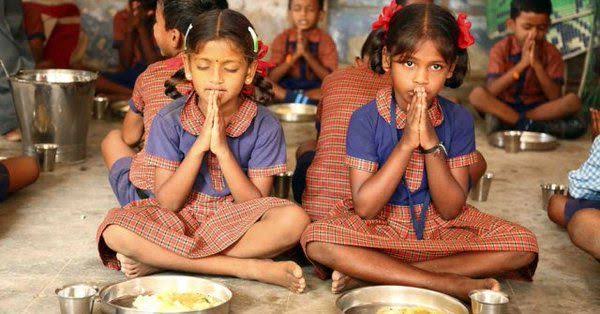
- MP transfers Take-Home Ration responsibility back to Women and Child Development Department.
- Anganwadi centres report ration shortages lasting one to three months.
- Nearly 8.5 million children and women depend on the nutrition programme.
- Government says restructuring aims to improve delivery and coordination.
GG News Bureau
Bhopal,16th July: The Madhya Pradesh government has once again restructured its Take-Home Ration (THR) programme, transferring responsibility for the production and distribution of supplementary nutrition from the State Rural Livelihood Mission back to the Department of Women and Child Development amid continuing supply disruptions across Anganwadi centres.
The latest change marks the fifth restructuring of the nutrition distribution system since 2018. The scheme serves nearly 8.5 million children, pregnant women and lactating mothers through almost 97,900 Anganwadi centres across the state.
A ground investigation across Bhopal, Sagar, Vidisha and Agar-Malwa found that several Anganwadi centres had not received Take-Home Ration supplies for periods ranging from one to three months. Workers said beneficiaries remained registered on government records and digital platforms, but nutrition packets had failed to reach many centres.
Under the scheme, children aged six months to three years are entitled to monthly supplies of fortified food, including halwa premix, child food supplements and khichdi, while pregnant and lactating women receive wheat-soy barfi, wheat-gram flour mix and khichdi.
Anganwadi workers in several districts said they had to inform beneficiaries that supplies had not arrived despite regular updates on government applications. Many families depend on these food packets as their only assured source of supplementary nutrition.
The disruptions come at a time when Madhya Pradesh continues to battle high levels of child malnutrition. According to the National Family Health Survey (NFHS-6), 31.4 per cent of children under five in the state are stunted, while the proportion of underweight children has risen to 39.7 per cent. Only 12 per cent of children between six and 23 months receive a minimum acceptable diet.
The state’s nutrition delivery system has also faced scrutiny in recent years. In 2022, allegations surfaced regarding irregularities in the transportation of nutrition supplies, while the Comptroller and Auditor General (CAG) later flagged financial irregularities amounting to around ₹428 crore between 2018 and 2021.
Women and Child Development Minister Nirmala Bhuria acknowledged issues in the supply chain and said efforts were underway to improve the system.
“Yes, there have been some issues. We have made efforts to address them, and we will be able to run the system smoothly going forward,” the minister said.
The state government hopes that bringing the Take-Home Ration programme back under the Women and Child Development Department will improve coordination and ensure timely delivery of nutrition to beneficiaries. However, Anganwadi workers said the priority remains uninterrupted food supplies for children and mothers at the grassroots level.
