
Nepal floods: 675 dead, 2,362 missing as crisis deepens, DNA to be preserved

GG News Bureau
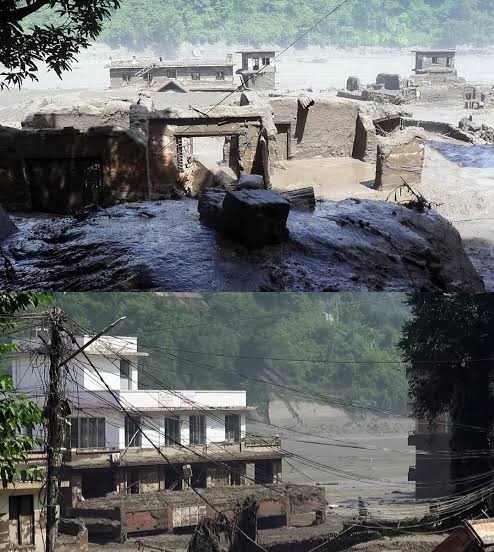
Kathmandu, 30th August :Three days after the devastating Bhotekoshi floods, Nepal’s rescue teams—comprising soldiers, police, and disaster specialists—are battling treacherous terrain, collapsed structures, and equipment shortages to locate over 2,362 missing people.Search operations continue in buried tunnels, destroyed settlements, and debris-strewn valleys. Many areas remain inaccessible, slowing down the recovery of bodies and survivors.
Survivors Face Shortage of Medicine, Water For thousands of flood survivors displaced from their homes, a second crisis is unfolding. Shelters across affected districts face acute shortages of essential medicines, clean water, and fuel. Hospitals are running low on supplies, and patients with chronic conditions can’t access vital drugs. Sanitation and hygiene have deteriorated, raising fears of disease outbreaks. Many camps report a lack of security, with women and children among the most vulnerable.
DNA to be Preserved Before Burial
With the death toll crossing 675, Nepal’s Prime Minister has announced that DNA and other identifying evidence will be preserved before the burial of unidentified flood victims.
Authorities have recovered hundreds of bodies, but decomposition and a lack of forensic resources have complicated identification. Families are searching crowded mortuaries for missing relatives, while local governments, designated as primary emergency responders, are themselves crippled by the scale of the disaster.
Community Resilience and Humanitarian Response
Despite the devastation, stories of resilience have emerged. In one settlement destroyed by the floods, a disabled couple has turned their home into a shelter, providing food and support to over 200 people, largely relying on minimal government assistance.
The Nepal government has not rejected foreign rescue aid and is seeking international support, including specialist tunnel teams, refrigeration units for bodies, and heavy-lift drones. However, the difficult Himalayan terrain and unpredictable weather continue to hinder relief efforts.As the country grapples with the aftermath, calls for improved early-warning systems, cross-border disaster information sharing, and more robust infrastructure have intensified.
Humanitarian agencies warn that unless immediate aid and long-term recovery plans are implemented, Nepal faces a prolonged crisis with far-reaching consequences for survivors and the nation’s future resilience.
