
Prolonged ‘Compulsory Waiting’ of Tripura’s Senior Most IAS Officer Raises Humanitarian Concerns as Family Reportedly Battles Mental Trauma

Jayanta Debnath
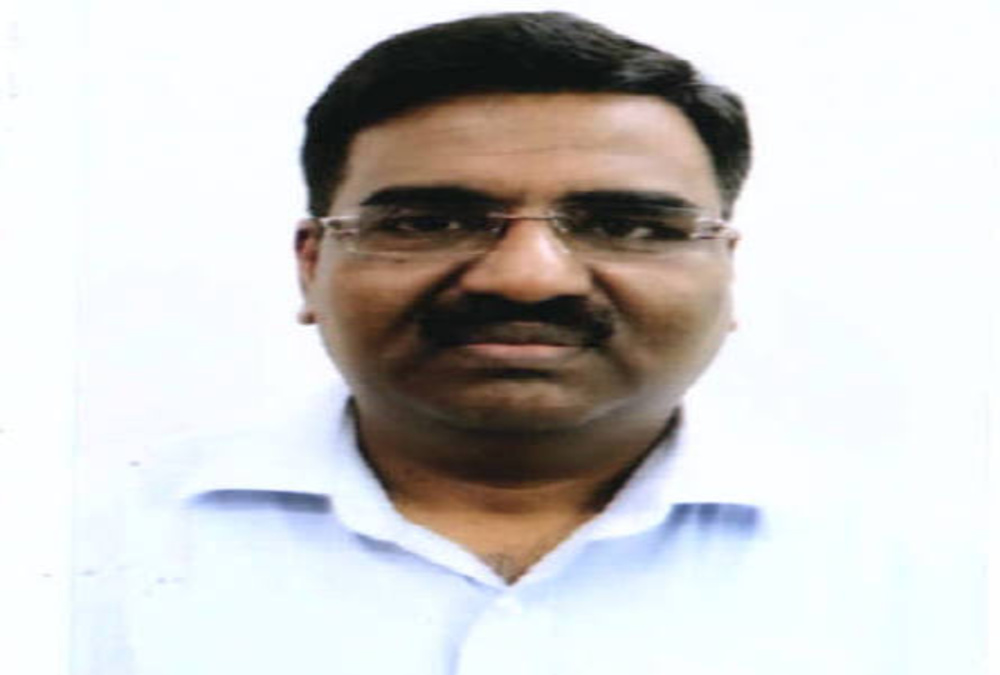
The prolonged compulsory waiting of senior IAS officer Barun Kumar Sahu (1992 batch) has emerged as a matter of growing humanitarian concern, with administrative sources claiming that the nearly three-year period without any official posting has taken a severe psychological toll on both the officer and his family.
According to highly placed Secretariat sources, Sahu has remained on compulsory waiting since October 2023, following his removal from the post of Secretary of the Tripura Human Rights Commission (THRC). During this period, he has continued to remain in government service, receiving salary and admissible service benefits under the applicable rules, but has not been assigned any departmental responsibilities.
While the administrative aspects of the case have already drawn attention, officials familiar with the matter now say the prolonged uncertainty has reportedly resulted in serious mental distress. Sources close to the family alleged that Sahu has been undergoing significant psychological trauma, while his wife has also been under immense emotional strain.
According to these sources, the situation has become so serious that his wife is said to be keeping a constant watch over him out of concern for his safety.
The concerns have reportedly intensified following the recent death of Tripura Director General of Police Anurag Dhankar, IPS. While the circumstances surrounding the DGP’s death remain a separate matter, administrative sources claimed the incident has had a profound emotional impact on Sahu and his family, further aggravating their fragile mental state.
Secretariat sources said two departmental inquiries had reportedly found Sahu guilty of misconduct, following which the matter was referred to the Union Public Service Commission (UPSC) for its advice under the All India Services (Discipline and Appeal) Rules. According to these sources, although the UPSC is understood to have communicated its recommendations to the State Government, a final order has yet to be issued.
The prolonged delay has prompted concern among sections of serving and retired IAS officers, who argue that administrative proceedings should reach their logical conclusion without undue delay. They contend that if the allegations are substantiated, an appropriate penalty should be imposed strictly in accordance with the law. Conversely, if no further action is warranted, the officer should either be reinstated or assigned an appropriate posting.
Administrative experts point out that compulsory waiting is ordinarily intended as a temporary arrangement pending transfer or fresh assignment, rather than an indefinite status extending over several years. They say prolonged uncertainty not only affects the officer concerned but may also have wider implications for administrative morale and institutional fairness.
Some officials have also questioned whether keeping a senior officer without any official responsibilities for such an extended period serves the interests of either governance or justice. They argue that prolonged administrative limbo can result in significant psychological and emotional consequences for the individual and family concerned.
With the matter now entering its third year, voices within administrative circles are increasingly calling upon the State Government to bring the disciplinary proceedings to their logical conclusion at the earliest, ensuring that due process is followed while also addressing the humanitarian dimensions of the case. Such a decision, they believe, would provide clarity not only for the officer concerned but also for the credibility and efficiency of the state’s administrative system.
