
Women Empowerment : A Blueprint for a Progressive Bharat

Poonam Sharma
Power does not always start in corridors of influence in the world’s largest democracy; it often ascends from the margins but it all depends through the ideology of the medium that governs any nation. Bharat has been a land where ordinary citizens, any one as per the ancient history with resilience and not resources, have rewritten their destinies. Recent electoral results involving grassroots women leaders are a powerful reminder: democracy here is not symbolic – it is lived, contested and, at times, deeply personal.
This is not only a political story. It is a human being.
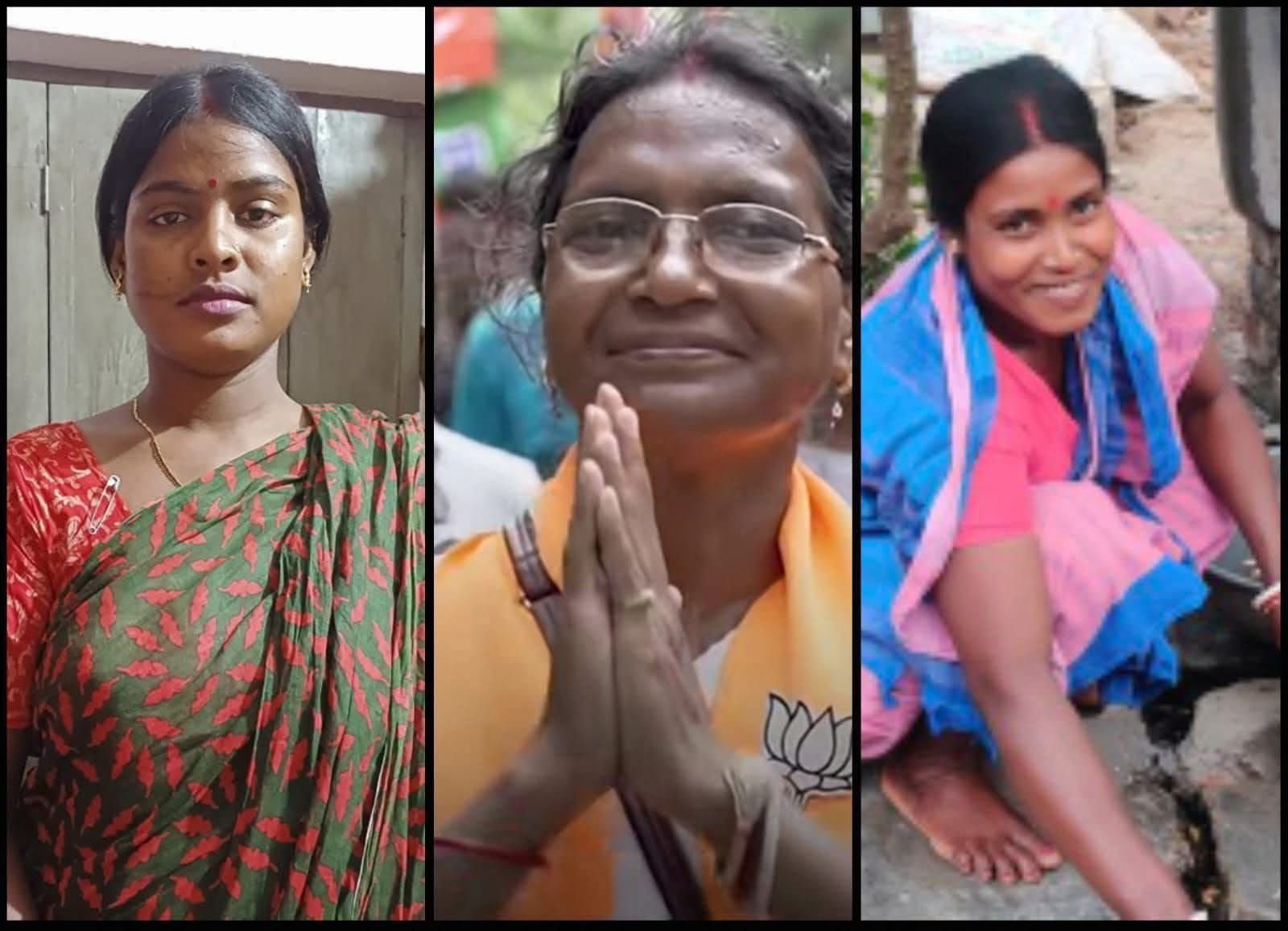
Three women – Rekha Patra, Ratna Debnath and Kalita Maji – are trapped at the cross-section of pain and power. Their journeys are not measured by margins of victory, but by the courage it took to stand up in the first place. This rise is part of a larger shift in Indian politics, where platforms, especially those that promote grassroots leadership, are giving voice to the voiceless. That could make way through under BJP leadership.
Rekha Patra: From Silence To Expression
Rekha Patra’s life was changed in ways no one should have to go through. And what happened to her in Sandeshkhali was not just her personal tragedy. It was a stark reminder of the vulnerabilities that many women continue to face.
But silence was not what followed.
Rekha did not retreat into the shadows, but stepped into public life. Running for office wasn’t an easy decision, it meant reliving trauma in the public eye, facing scrutiny and challenging entrenched systems. But she chose to fight. For herself and for the millions of others whose stories are never told.
Her victory, by more than 5,000 votes, was more than a statistic. It was a collective statement of faith, faith that democracy can be a tool of justice.
Her journey is emblematic of the growing opportunities for women with lived experience rather than political pedigree to open doors for women on today’s political platforms. It also highlights an emerging narrative: empowerment is not given to you, you take it.
Ratna Debnath: A mother’s determination
Grief can kill a person or make a person. For Ratna Debnath, losing her daughter was an unfathomable blow. The incident at RG Kar Hospital broke her world but then it also sparked something more powerful than despair — a determination to seek accountability.
That was not the normal way to get into politics. She was not a career politician and she did not come with institutional support. What she had was belief.And people heard.Ratna’s win was emotional as she won with a margin of over 28,000 votes. It was a sign that more and more voters are willing to rally behind people who stand for truth and courage instead of the traditional power structures.
Her story also speaks to a larger political change, where party focused on grassroots inclusion and women’s participation are creating space for such leaders to emerge. Here is where democracy feels most alive, when it absorbs personal pain and turns it into public purpose.
The Silent Power of the Working Class Kalita Maji
If Rekha and Ratna are resistance and resilience, Kalita Maji is perseverance.
Kalita was not a politician. She was a domestic worker trying to hold down several households to get by. But her beliefs and political choices repeatedly subjected her to harassment.That alone would have been enough reason for many to walk away.
Not Kalita.She was determined, not bowed to intimidation. The courage and symbolic significance of entering the electoral arena challenged the notion that politics belongs to the privileged.
Her margin of victory of over 12,000 votes means a lot. It demonstrates democracy is not an economic question. More importantly, it shows how political ecosystems that encourage participation from all parts of society can change lives.
Kalita’s story rings true because it feels familiar. But she’s not an outlier. She’s one of millions. And that is exactly why her victory is important.
The Bigger Picture: Democracy on the Move
What ties these three stories together is not only struggle. It is opportunity provided .
Indian democracy with all its complexities, still moves forward. Its great strength is that it can take voices from the grassroots and lift them into positions of power. Political platforms that actively encourage the participation of women, especially those from non-elite backgrounds, are powering this change.
The past few years have witnessed a clear trend of empowering women at the grassroots level – encouraging them to contest, to lead and to shape narratives. This is no accident. There is a growing understanding that inclusive politics is good for democracy.
These victories are not isolated incidents. They are part of a larger wave of women who, with organizational structures and voter trust behind them, are reimagining leadership under the present decisive leadership.
A Social Shift Beyond Politics
To read these results only in political terms would be too reductive. They mean something deeper, a change in society.”
A shift where the victims will be given voices .
A shift where mothers will be made a force for justice
A change where economic hardship does not restrict ambition
These women are not just leaders, they are the living proof of what can be achieved when a political will to democracy reaches the grassroots.
Conclusion: The heartbeat of a living democracy
Democracy is often judged by institutions, policies and elections. But where it really shines is in stories like these.
When a survivor speaks, when a bereaved mother leads, when a domestic worker wins the trust of thousands, democracy stops being an abstraction, and becomes real.
India’s democratic experience has been far from perfect. But it is vivid, mind you.
And as long as people like Rekha, Ratna and Kalita continue to rise – with systems that make their participation possible – the spirit of democracy will not just survive. It will do well.
