

Poonam Sharma
A Nation in Mourning
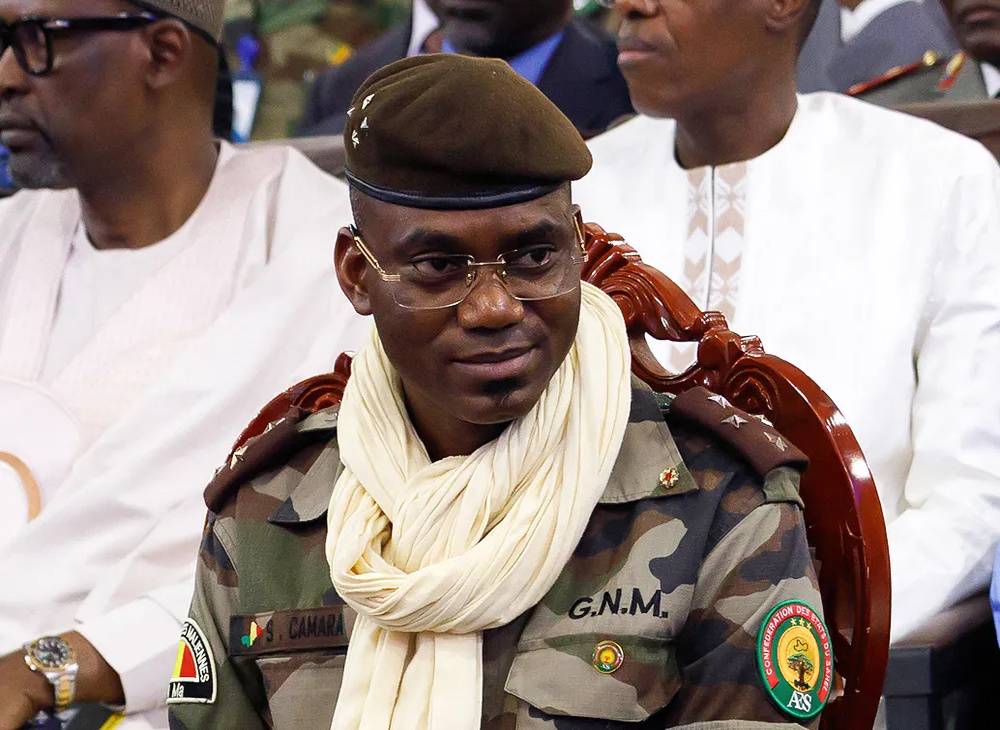
Mali is in shock following the violent death of Defence Minister Sadio Camara, a man who had come to symbolize the country’s military government in a time of deep uncertainty. Camara lost his life when his home in the heavily fortified town of Kati came under siege—a chilling sign of how even the most secure places are no longer immune from the country’s spiraling violence.
The news, which broke on Sunday, sent ripples of fear and sadness across Mali. For many, Camara was more than just a government official. He was one of the architects of the military’s recent rise to power and, for better or worse, a face of stability in a country battered by coups and conflict. His sudden death has left both the armed forces and ordinary Malians grappling with fresh anxiety about what comes next.
Unlikely Alliances, Unprecedented Chaos
What makes this attack different, and especially troubling, is who carried it out. Fighters from the al-Qaeda-linked group Jama’at Nusrat al-Islam wal-Muslimin (JNIM) joined forces with Tuareg rebels from the Azawad Liberation Front (FLA)—two groups that until recently were fighting on opposite sides. Their new alliance is a worrying sign for Mali, suggesting that armed groups are putting aside differences to target the state itself.
Across Mali, people are living in fear. In Kidal, in the country’s north, residents reported gunfire and explosions long after the initial attack. Even Bamako, the capital, wasn’t spared. “There is a real sense that nowhere is safe,” one resident told Al Jazeera, her voice trembling over the phone.
The Geopolitical Earthquake
The impact of Camara’s killing is being felt well beyond Mali’s borders. For years, this nation has been a crucial front in the fight against jihadist violence in West Africa. International partners have invested heavily in training and arming the Malian security forces. Now, as Mali’s government reels, the region faces a new period of uncertainty.
Neighboring countries are watching nervously. Mali’s borders are porous and its problems have a habit of spreading. If the Malian state weakens further, extremists may find new footholds not just in Mali, but across the Sahel.
The Human Cost
For ordinary Malians, these attacks are not just news headlines—they are lived reality. Families in Kati, Bamako, Gao, and Kidal have spent sleepless nights listening to gunfire, wondering if loved ones are safe. Many remember the coups of the past few years and fear a return to even darker days.
Military checkpoints have sprung up, and curfews have been imposed. Schools and businesses remain closed in some areas. “We just want peace,” said a shopkeeper in Bamako. “We are tired of living like this, always afraid.”
International Response and Next Steps
The African Union, the Organisation of Islamic Cooperation, and the US have all condemned the attacks, but words alone offer little comfort right now. There is a growing sense that Mali needs more than statements—it needs real help to restore order and rebuild trust.
Analysts believe more clashes are likely in the coming days, with armed groups sensing an opportunity to seize territory and disrupt what remains of government control. What Comes Next?
Mali is at a crossroads. The loss of a key leader like Camara is a blow to the military government’s confidence, and a challenge to its ability to maintain order. Yet, amid the chaos, there is also resilience.
Malians have endured years of crisis, and many are determined not to let violence define their future. The coming weeks will test the country’s leaders—and its people—like never before.
Conclusion
Sadio Camara’s death is a stark reminder of the dangers facing Mali, and of the high stakes for the country and the wider region. As Mali navigates these troubled waters, the world will be watching—hoping that this latest tragedy can be a turning point toward peace, not just another chapter in a long-running crisis.
