

Poonam Sharma
White House Shooting: Analyzing the Geopolitical Ramifications and Reasons for the Attack
Shots were fired near the White House Correspondents’ Association dinner in Washington, D.C. in a shocking development that grabbed worldwide attention, turning a night of revelry into pandemonium. The event, which is known for bringing together the best political figures, journalists and celebrities, quickly descended into chaos as security rushed in and guests fled for shelter. The seriousness of the threat was underscored by the swift evacuation of US President Donald Trump, Vice President JD Vance and other dignitaries.
A night of precision and panic
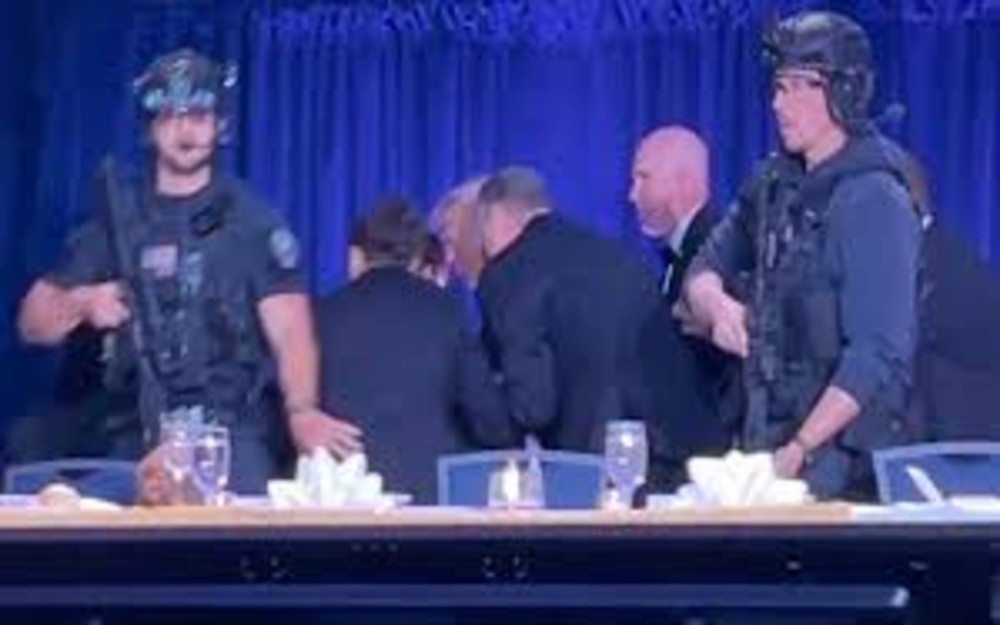
Eyewitnesses said the transition from festive to frantic was almost immediate. Gunfire erupted outside the Washington Hilton ballroom and Secret Service officers and security personnel rushed into the room telling people to take cover. And in a matter of seconds the grandeur of the occasion was replaced by broken glasses and empty tables, people taking shelter under chairs and tables, not knowing if the danger was inside or out.
At first everyone was confused. Many believed an active shooter had entered the ballroom itself. But the US Secret Service was quick to clarify that the shooting had been outside the main screening area, not inside the event hall. The suspect, armed with a shotgun, handgun and knives, made his way to the checkpoint but was stopped before he could enter the ballroom. Following a brief exchange of gunfire, the suspect was subdued and taken into custody. Authorities later confirmed that the attacker acted alone and that there was no ongoing threat to the public.
Geopolitical Aftershocks
Though contained, the incident casts a shadow over an already tense political landscape in the United States. Violent attacks on political leaders, or on sites that have powerful symbolic meaning, often have consequences that go far beyond immediate security concerns.
1. Amplifying Vulnerability and Political Division:
Such events reveal that even the most protected officials and venues are vulnerable. The attack comes amid rising political polarization in the US, where hostility towards institutions and extremist rhetoric have become more pronounced. Authorities have not yet disclosed the suspect’s motives but attacks in such settings are typically motivated by grievance, ideology or a desire to disrupt political order. Depending on one’s political perspective, this event could deepen divisions along party lines, feeding narratives of insecurity or government overreach.
2. Effect on international perception:
Geopolitically, these events are of interest to foreign governments and non-state actors. The quick and effective response of US security forces reinforces an image of resilience and preparedness. But the mere fact that an attack took place so close to the president and other leaders could embolden adversaries who see opportunities to exploit political instability or security lapses. Allies, though, may worry about the ripple effects of domestic turmoil on America’s international commitments and leadership.
3. Security and Policy Implications:
Expect a renewed push for talks about security protocols at high-profile events, gun control legislation and the intersection of mental health and extremism. The fact that the assailant had multiple weapons will definitely spark a conversation around access to firearms and the adequacy of current safeguards.
Possible motives and wider context
Exact motives have not been determined but such attacks are generally motivated by some combination of personal, ideological and societal grievances. The suspect’s possession of multiple weapons indicates premeditation. Political animus? Personal vendetta? Mental health? Whatever the mix, the attack is a reminder of the volatile intersection of individual agency and a society struggling with divisive narratives.
Investigators, including the FBI and acting Attorney General Todd Blanche, have said they are conducting a painstaking investigation, working through ballistics, shell casings and witness statements. The fact that one officer survived, thanks to a bulletproof vest, is a stark reminder of the dangers they face and the need for preparedness.
Next Steps
Helicopters hovered overhead and the National Guard secured the area, but the message was clear: The immediate threat may have been neutralized, but the larger challenges of political violence and security in a polarized environment continue. President Trump was quick to praise the Secret Service and police, and many echoed his words, but the incident is a stark reminder that even the world’s most secure venues can become flashpoints.
The shooting at the White House, then, is more than a moment of crisis. It is a lens through which to examine the undercurrents of political anxiety and the perpetual balancing act between openness and security in democratic societies.
