
Supreme Court Gets Five New Judges
President Approves Appointment of Four Chief Justices and One Senior Advocate to Apex Court

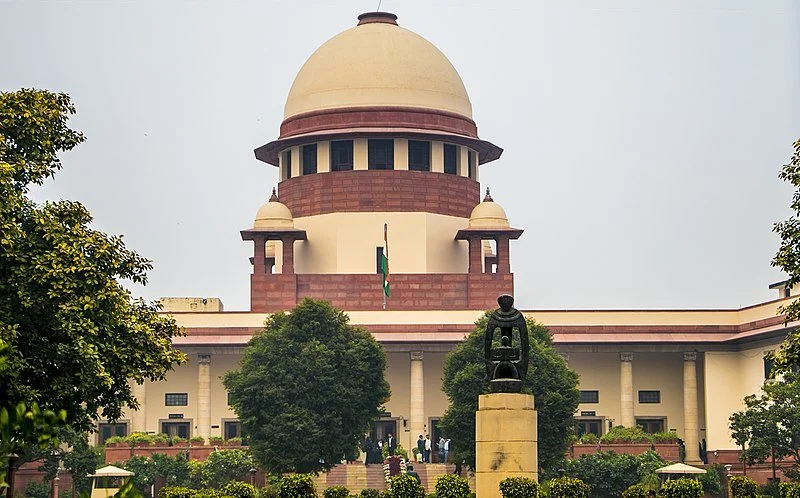
- President appoints five new judges to the Supreme Court
- Four serving High Court Chief Justices elevated to the apex court
- Senior Advocate Venkita Subramani Mohana also appointed as Supreme Court judge
- Appointments take effect from the date the judges assume office
GG News Bureau
New Delhi, 1st June: The Supreme Court of India will get five new judges after President Droupadi Murmu approved the appointments of four serving High Court Chief Justices and a senior advocate to the apex court.
According to notifications issued on June 1 under Article 124(2) of the Constitution, Justice Sheel Nagu, Chief Justice of the Punjab and Haryana High Court, Justice Shree Chandrashekhar, Chief Justice of the Bombay High Court, Justice Sanjeev Sachdeva, Chief Justice of the Madhya Pradesh High Court, Justice Arun Palli, Chief Justice of the High Court of Jammu & Kashmir and Ladakh, and Senior Advocate Venkita Subramani Mohana have been appointed as judges of the Supreme Court.
The appointments will take effect from the date the appointees assume charge of their offices.
Justice Sheel Nagu currently heads the Punjab and Haryana High Court, while Justice Shree Chandrashekhar serves as the Chief Justice of the Bombay High Court. Justice Sanjeev Sachdeva is the Chief Justice of the Madhya Pradesh High Court and Justice Arun Palli heads the High Court of Jammu & Kashmir and Ladakh.
With the elevation of Senior Advocate Venkita Subramani Mohana, the Supreme Court will also gain a distinguished legal practitioner with extensive experience at the Bar.
The appointments are expected to strengthen the apex court’s judicial capacity and help address the growing volume of cases before the country’s highest judicial institution.
The notifications were issued by the Union government following the President’s approval in exercise of constitutional powers relating to the appointment of judges to the Supreme Court.
