
Tharoor Questions Mandatory Full Rendition of Vande Mataram
Congress MP Calls Practice ‘Unnecessary Imposition’; BJP Hits Back Citing MHA Guidelines

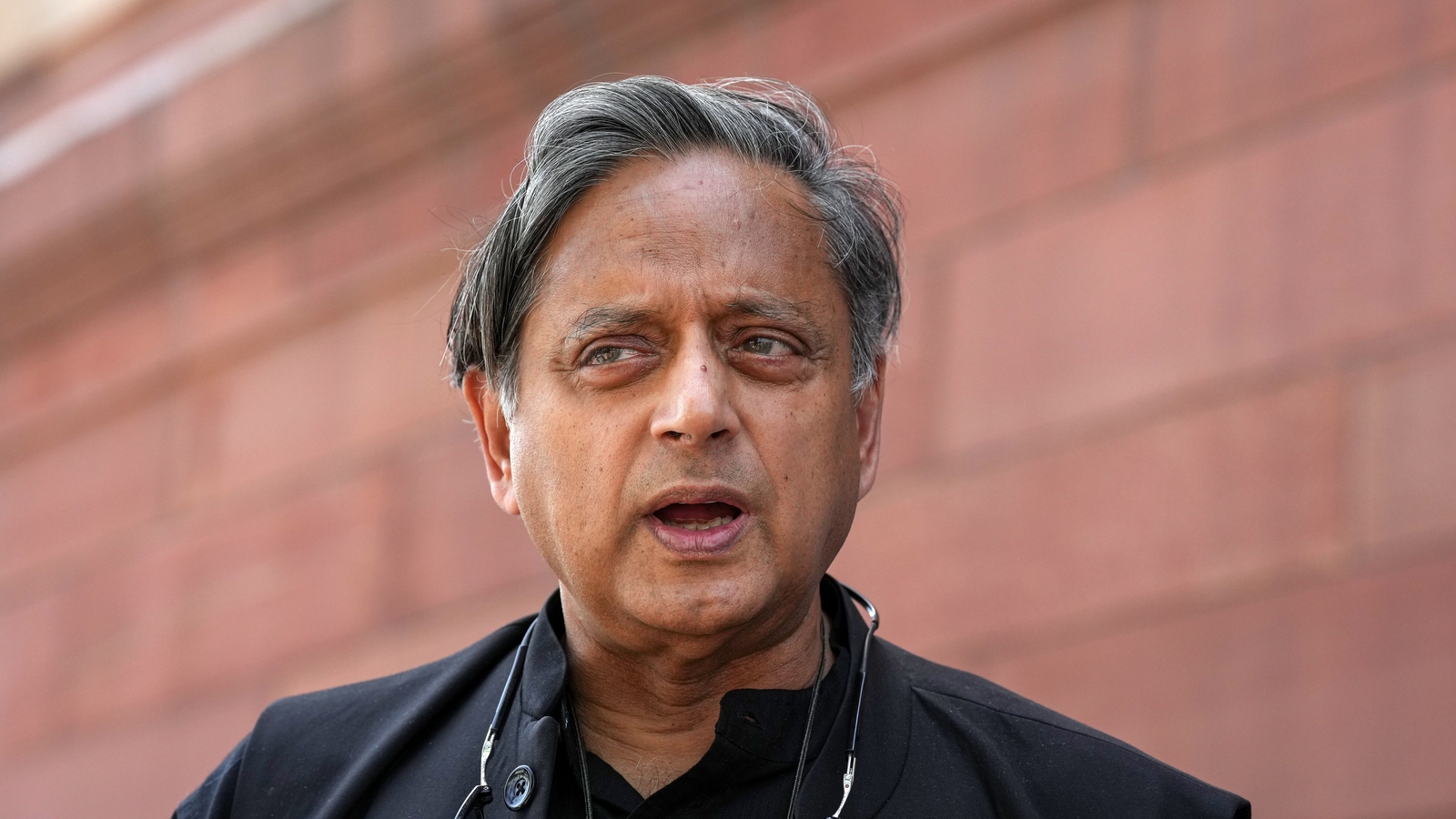
- Shashi Tharoor questions mandatory singing of all verses of Vande Mataram at official events
- Says playing full song at beginning and end of functions is “unnecessary and burdensome”
- BJP counters, citing Home Ministry guidelines on rendition of the national song
- Row intensifies amid controversy over Vande Mataram in Kerala
GG News Bureau
New Delhi, 2nd June: Congress MP and former Union Minister Shashi Tharoor on Tuesday questioned the necessity of singing all verses of Vande Mataram at the beginning and end of official functions, describing the practice as an “unnecessary imposition” and burdensome for audiences.
Speaking to reporters amid an ongoing controversy in Kerala over the rendition of the national song, Tharoor clarified that he had no objection to Vande Mataram itself and said it commands universal respect.
“Vande Mataram is the national song and we stand up in respect when it is sung. The first verse, or the first couple of verses, is something most people know by heart,” he said.
Tharoor noted that traditionally the song was rendered once at the beginning of a programme, while the national anthem was played separately, often at the conclusion.
“Now they want all five verses to be sung at the beginning of every event and again at the end. I think that is an unnecessary imposition,” he said.
The Congress leader said the Kerala government had maintained that singing the full version was optional, while Governor Rajendra Vishwanath Arlekar appeared to hold a different interpretation.
“It may ultimately have to be adjudicated because there is no law passed by Parliament requiring this. It is more a matter of convention,” Tharoor remarked.
Recalling a recent book launch event attended by Vice President C.P. Radhakrishnan in New Delhi, Tharoor said the complete rendition of the song had been played both before and after the programme.
“For the audience, standing through a relatively unfamiliar and lengthy song twice became an issue,” he said.
The MP maintained that the portion of Vande Mataram traditionally sung in public functions had long been accepted and respected, adding that it was comparable in length to the national anthem.
Calling the controversy unfortunate, Tharoor said he hoped the issue would be resolved amicably.
“I can understand singing it once during ceremonial occasions involving the President, Vice President or Prime Minister. But singing the entire song twice during a short programme is difficult to understand. I don’t see the rationale for it, and it is not particularly efficient either,” he said.
The remarks drew a sharp response from the BJP.
BJP IT Department head Amit Malviya said singing Vande Mataram in full is not optional and cited guidelines issued by the Ministry of Home Affairs.
“The Ministry of Home Affairs guidelines are explicit: whenever Vande Mataram is rendered at official functions, the full official version is to be sung, and all six stanzas are to be played at designated government events. The guidelines further prescribe the occasions on which it must be rendered and the protocol to be followed, including standing in attention,” Malviya posted on X.
BJP national spokesperson Shehzad Poonawalla also criticised Tharoor, alleging that the Congress was yielding to pressure from the Indian Union Muslim League by objecting to the full rendition of the national song.
Written by Bankim Chandra Chattopadhyay in the 1870s, Vande Mataram was accorded the status of India’s national song by the Constituent Assembly on January 24, 1950.
Earlier this year, the Union Home Ministry directed that Vande Mataram be sung before the national anthem, Jana Gana Mana, at government functions and schools. The revised protocol also provides for the rendition of all six stanzas of the song and requires attendees to stand in attention during its performance.
The controversy is likely to fuel fresh political debate over the interpretation and implementation of guidelines governing the national song at official events.
