
Govt Opens Door for Higher Foreign Investment in Equities
Finance Ministry Unveils Reforms to Boost Global Capital Flows and Deepen Indian Markets

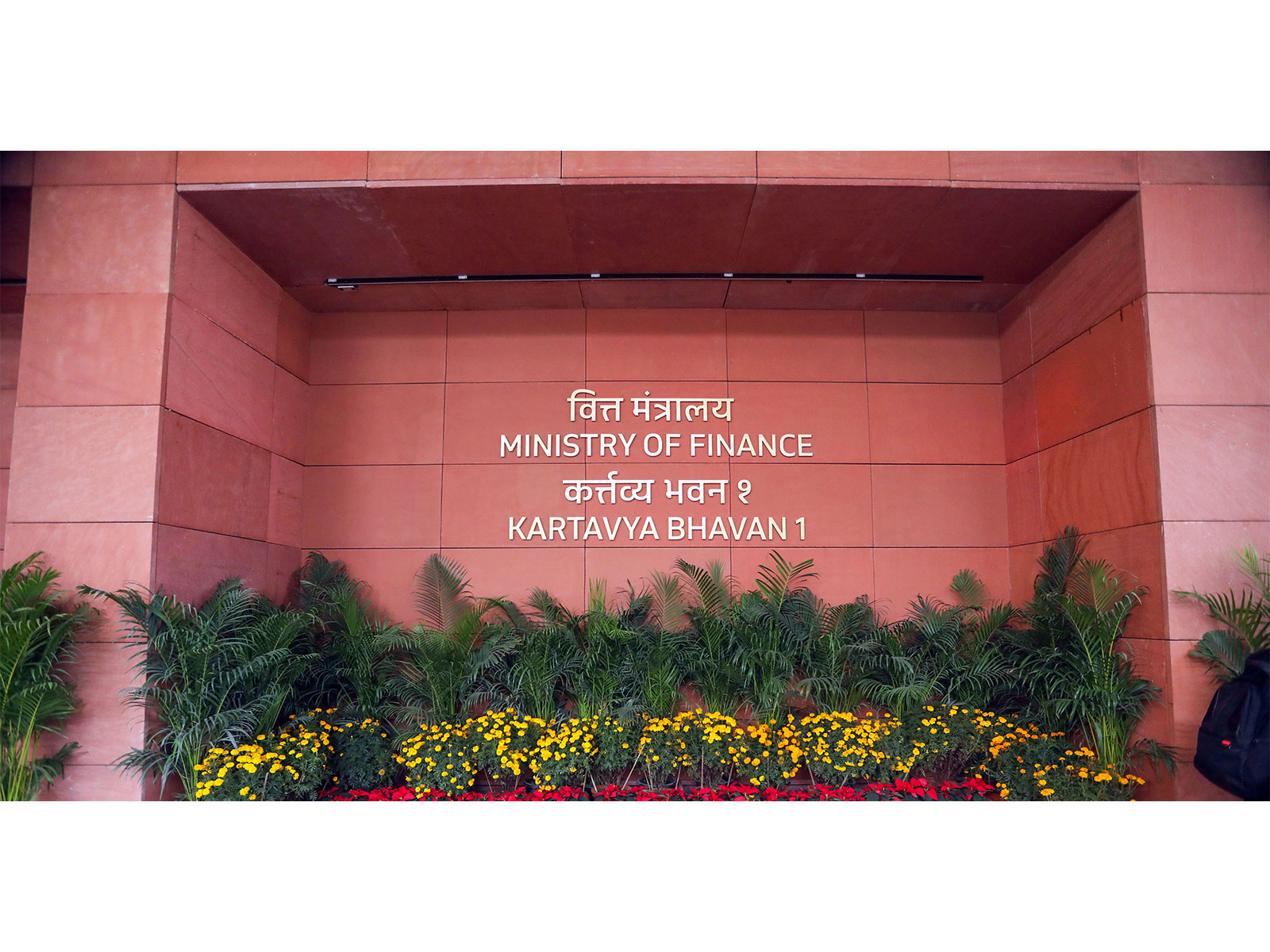
- Government eases investment norms for overseas individual investors
- FPI access to government securities further liberalised
- Interest and capital gains on G-Secs exempted from tax for FPIs
- Reforms aimed at attracting long-term global capital and deepening markets
GG News Bureau
New Delhi, 5th June: The Centre on Friday announced a series of major reforms aimed at deepening India’s capital markets, attracting long-term foreign investments and strengthening the country’s position as a preferred global investment destination.
The Ministry of Finance unveiled measures to simplify investment processes for Persons Resident Outside India (PROIs) and Foreign Portfolio Investors (FPIs), while also liberalising access to government securities and providing significant tax incentives.
Higher Equity Investment Limits for Overseas Individuals
As part of the reforms, the government will now allow individual Persons Resident Outside India to invest in equity instruments of listed Indian companies through the Portfolio Investment Scheme, a facility that was previously available only to Non-Resident Indians (NRIs) and Overseas Citizens of India (OCIs).
To implement the announcement made in the Union Budget 2026-27, the Department of Economic Affairs will notify amendments to the Foreign Exchange Management (Non-Debt Instruments) Rules, 2019.
The revised framework increases the investment limit for an individual overseas investor from 5 per cent to 10 per cent in a company. The aggregate limit for all such investors in a company has also been raised from 10 per cent to 24 per cent.
Officials said the move would simplify onboarding, reduce compliance requirements and attract a broader base of stable foreign investors into Indian equity markets.
Greater Access to Government Securities
The government has also expanded investment opportunities for FPIs in Government Securities (G-Secs).
Under the Fully Accessible Route (FAR), new issuances of government bonds with tenors of 15, 30 and 40 years, along with Sovereign Green Bonds, will now be available to foreign investors.
In another major relaxation, the government has removed the short-term investment limit, concentration limit and security-wise limit applicable to FPIs investing in government securities under the General Route.
However, the overall investment ceiling of 6 per cent of outstanding Central Government securities and 2 per cent of State Government Securities will continue.
The government has also merged the existing “general” and “long-term” sub-categories into a single investment limit framework.
According to the Finance Ministry, these changes are expected to support the development of a smoother yield curve and attract patient, long-term capital from pension funds, insurance companies and sovereign wealth funds.
Tax Exemption for Foreign Investors
In a significant tax reform, the government announced a complete exemption from income tax on interest income and capital gains earned by FPIs from investments in Government Securities.
The exemption will apply retrospectively from April 1, 2026, covering all eligible interest and capital gains arising from G-Sec investments after that date.
A similar tax exemption has also been extended to the Bank for International Settlements (BIS) on its investments in Government Securities.
The Finance Ministry said the move aligns India’s taxation regime with several major international markets and will improve the attractiveness of Indian debt instruments.
Push for Long-Term Capital
Officials said the reforms are designed to reduce operational complexities, improve market accessibility and create an investment environment comparable to leading global financial centres.
The measures are expected to expand participation in both Indian equities and government securities while encouraging sustained inflows from long-term institutional investors seeking exposure to one of the world’s fastest-growing major economies.
The government said the reforms reflect its continued commitment to enhancing ease of doing business, strengthening financial markets and mobilising stable foreign capital for India’s growth journey.
