
MEA Clarifies Passport Is Not Proof of Citizenship
Government says passport is primarily a travel document as India expands secure e-passports and global mobility initiatives

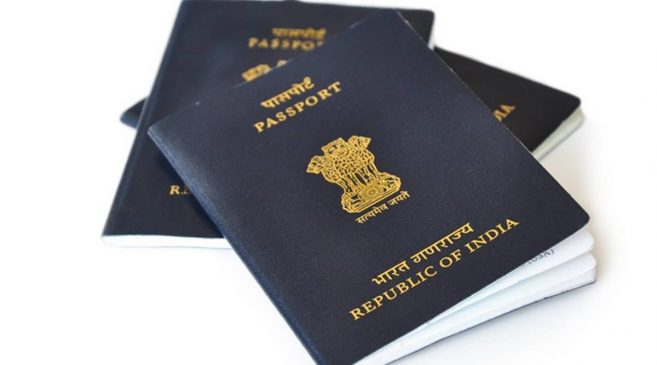
- MEA clarified that an Indian passport is a travel document, not conclusive proof of citizenship.
- Chip-enabled e-passports and faster passport services have been rolled out nationwide.
- India plans passport facilities in every Lok Sabha constituency by 2027.
- Mobility agreements, visa access and overseas worker support have been significantly expanded.
GG News Bureau
New Delhi, 25th June: The Ministry of External Affairs (MEA) has clarified that an Indian passport should not be treated as conclusive proof of citizenship, stressing that its primary purpose is to serve as an international travel document.
The clarification came during a briefing on India’s expanding passport and global mobility ecosystem, amid growing public confusion over the use of passports as proof of citizenship and eligibility for government benefits.
Officials said that while passports are issued to Indian citizens, they are intended primarily to facilitate international travel and establish identity abroad. The clarification comes amid continuing debates over the use of documents such as Aadhaar, voter identity cards and passports as proof of citizenship.
The government also highlighted major improvements in passport services, stating that processing time has been reduced to as little as five working days in many cases, while applicants now spend less than 45 minutes at Passport Seva Kendras due to technology-driven reforms.
Officials said chip-enabled e-passports have been rolled out nationwide since May last year. The new passports contain secure electronic chips embedded with biometric information and security features compliant with International Civil Aviation Organisation (ICAO) standards, strengthening document security and reducing the risk of fraud.
The passport service network has expanded significantly over the past decade, growing to 545 Passport Seva Kendras across the country. The government plans to establish 20 more centres this year with the goal of providing at least one passport facility in every Lok Sabha constituency by 2027.
Special mobile passport teams have also been deployed in remote areas, while outreach camps conducted last year helped nearly three lakh people obtain passports in underserved regions.
Despite these improvements, officials noted that only about 10 per cent of India’s population currently holds a passport, underlining the need to expand access as overseas education, employment and business opportunities continue to grow.
The MEA also highlighted India’s expanding international mobility partnerships, with 27 agreements signed with 25 countries, including the European Union, the United Kingdom, Australia and several Gulf nations, to facilitate movement of students, professionals, researchers and business travellers.
Indian passport holders currently enjoy visa-free access to 27 countries, while 47 countries offer visas on arrival and 66 provide e-visa facilities.
On overseas employment, officials said nearly seven lakh Indian workers have obtained emigration clearance through the upgraded eMigrate 2.0 portal since its launch in October 2022. The ministry has also introduced randomised processing systems in passport offices to improve transparency and reduce delays.
The government said it has strengthened support for overseas workers through pre-departure orientation programmes, country-specific training and welfare initiatives, including one-stop support centres for distressed Indian women in Gulf countries and Singapore.
Officials said India will also host a Human Resource Mobility Forum next week involving Germany, Italy, Japan, Russia and Denmark to strengthen ethical overseas employment opportunities for skilled Indian workers.
The MEA said the government’s long-term objective is to make passports more accessible while ensuring international migration remains secure, transparent and beneficial for Indian citizens.
