

By Anjali Sharma
UNITED NATIONS – UN Educational, Scientific and Cultural Organization on Friday in a report warned that many developing countries are spending more on debt servicing than on schooling their children and urged international lenders to expand debt-for-education swaps.
UNESCO report noted that low and middle-income countries are projected to lose 30 per cent of aid to education between 2023 and 2027.
Development assistance to education has decreased for several years after the US heavily scaled back foreign aid and other countries prioritized debt payments and military spending.
UNESCO highlighted debt-for-education swaps as a potential alternative for developing countries due to the foreign aid for education is decreasing.
A debt-for-education swap is a form of debt relief where a lender forgives a portion of a country’s debt.
In exchange, the borrowing country must spend that amount of money on domestic education projects, allowing countries to protect education spending during periods of fiscal constraint.
UNESCO Director-General Khaled El-Enany said “Education is the most powerful investment countries can make”.
According to UNESCO’s Counting the Loss report, released it stated that aid to education fell by 8% between 2023 and 2025 and aid to basic education fell by 15 per cent over the same period.
US cut total foreign aid by 57 per cent, the EU by 14 per cent and Japan by six per cent in 2025.
UNESCO said much of the decrease can be attributed to the dismantling of the US’s main aid agency, USAID, ongoing consequences from the COVID-19 pandemic, energy price shocks and the prioritization of investments in clean energy.
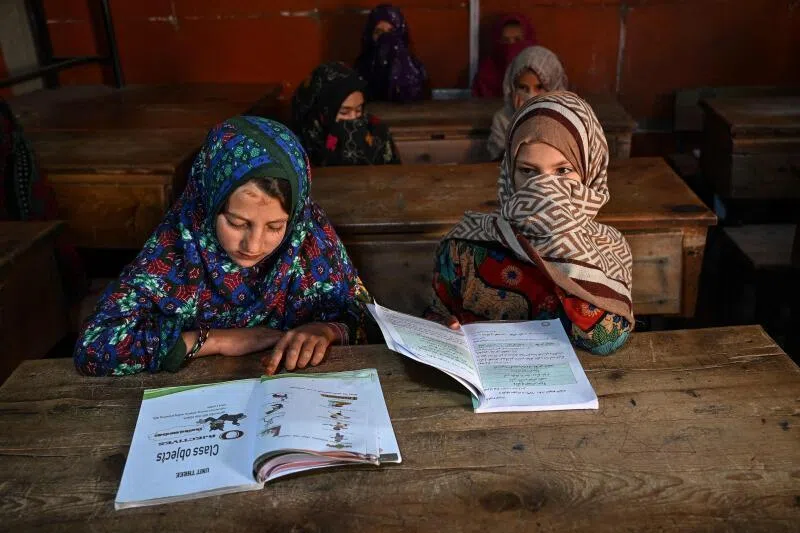
The countries most affected by the decrease in aid include Nicaragua, Vietnam, Afghanistan, Mauritania and Honduras, according to the report.
The debt-for-education swaps may not be suitable in all contexts, UNESCO said they have been successful in Peru, Egypt and Côte d’Ivoire.
UNESCO recommended lowering the costs of borrowing, building resilience in education systems and increasing domestic education spending whenever possible in addition to this financing method.
