

By Alok Lahad
In the English-speaking world, Lady Godiva is remembered as a heroine. The 11th-century legend (set in England around 1040–1080) tells how the noblewoman of Coventry, distressed by the heavy taxes imposed by her husband Leofric, Earl of Mercia, agreed to ride naked through the town if he would reduce the levies. The townspeople closed their windows; only “Peeping Tom” looked and was struck blind. The story is taught as an early act of protest against tyranny.
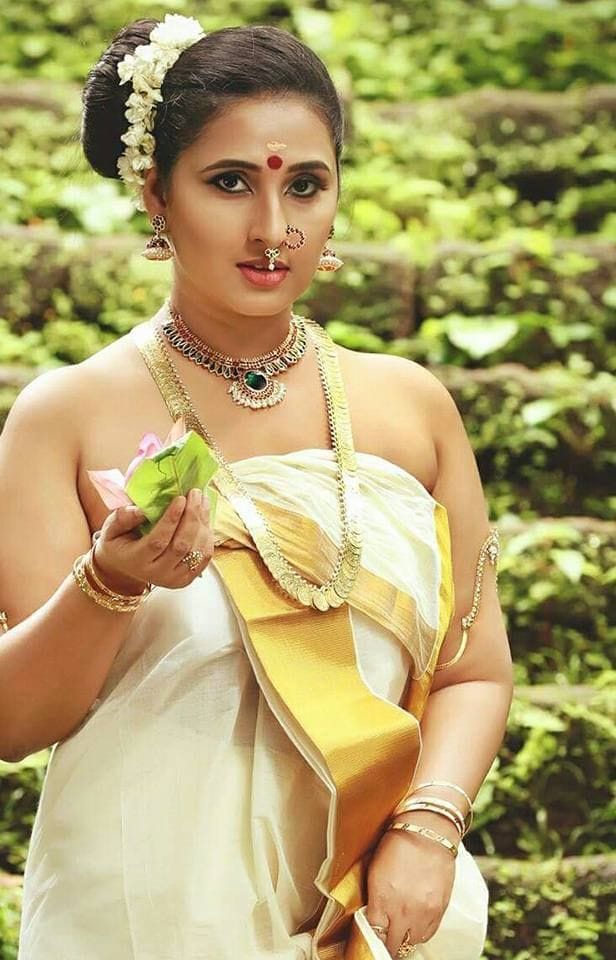
From an Indian perspective, the tale reveals more about English cultural anxiety than about courage. In India, from the Indus Valley Civilization (c. 3300–1300 BCE) through the Kingdom of Travancore in Kerala (16th–19th centuries), the bare torso was ordinary, not scandalous. Both men and women frequently left the upper body uncovered perhaps due to geographical reasons. Dignity was expressed through posture, jewellery, garlands, bangles, armlets and wristlets rather than through compulsory cloth.
Indian Continuity and Choice
Indus Valley figurines and seals already show uncovered chests. In classical sculpture and literature the stanapatta (breast-band) and angavastra (shoulder cloth) were optional. Women sometimes hung an angochha or chunari from the neck; more often they relied on ornaments. The pallav of the sari could be drawn across the chest, but this was a matter of choice, not a rigid norm. In Kerala the traditional style of draping often left the shoulders and upper body bare or lightly covered.
In Travancore the practice continued under the kings, and was not forced by any religious text or morally imposed by the priests. From the queen to the peasant woman, the uncovered torso was normal. Royal women appeared bare-chested on formal occasions, their status marked by gold, pearls and flowers. This was the living custom of the land.
The Modern Blouse and the Victorian Gaze
The stitched blouse now considered essential with the sari is a relatively recent development. In the late 19th century, women of the Tagore circle—particularly under the influence associated with Rabindranath Tagore’s family—adapted the sari to include a tailored blouse and a more covered drape. The change responded to the shaming gaze of Victorian English women who regarded the traditional Kerala bare-shoulder style as indecent. The blouse spread not because the Indian body suddenly required hiding, but because Indian elites sought respectability in foreign eyes.
The “Breast Tax” Claim
Some contemporary Dalit organisations present the mulakkaram (“breast tax”) of Travancore as proof of systematic upper-caste humiliation of lower-caste women who wished to cover their breasts. Revenue records do show various poll and occupation taxes differentiated by community, yet the specific claim of a targeted “breast tax” remains contested among historians. What is clear is that the older Indian openness of the torso was later re-described as oppression once colonial and missionary standards of modesty became dominant. Treating the bare chest as inherently degrading accepts a European hierarchy of values rather than recovering an indigenous one.
Two Opposite Logics
Leofric’s demand—that his own wife parade naked before the town—was almost unthinkable within English norms of modesty. Godiva’s acceptance is celebrated precisely because the act was extreme. In Travancore the situation was reversed: going topless required no heroic sacrifice. It was everyday practice for queen and commoner alike. No impossible condition was needed because no culture of absolute bodily shame made the body the central site of control.
Today Western societies often treat public toplessness as a modern statement of freedom. The same culture that once found the exposed female body so shocking that it could force a powerful earl to yield now claims that exposure as progressive—while framing the long Indian tradition of the ornamented or uncovered torso as a problem to be explained through caste oppression.
The comparison does not deny hierarchy or injustice in pre-modern Kerala. It insists on proportion. In the Indian continuum from Harappa to Travancore the torso was not the primary frontier of modesty. In the English logic that produced the Godiva legend, it was. The practices of Travancore were sustained by kings and social custom, not by priests. The blouse that today seems traditional was, in significant measure, a concession to Victorian sensibilities that could not bear a bare Indian shoulder.
An honest accounting can acknowledge caste complexities without accepting the imported standard that equates the covered chest with dignity and the uncovered chest with degradation. History shows that dignity has worn many garments—and sometimes, in India, almost none at all.
