
OCHA reports rising death toll, voices concern for women and girls in Nepal floods

By Anjali Sharma
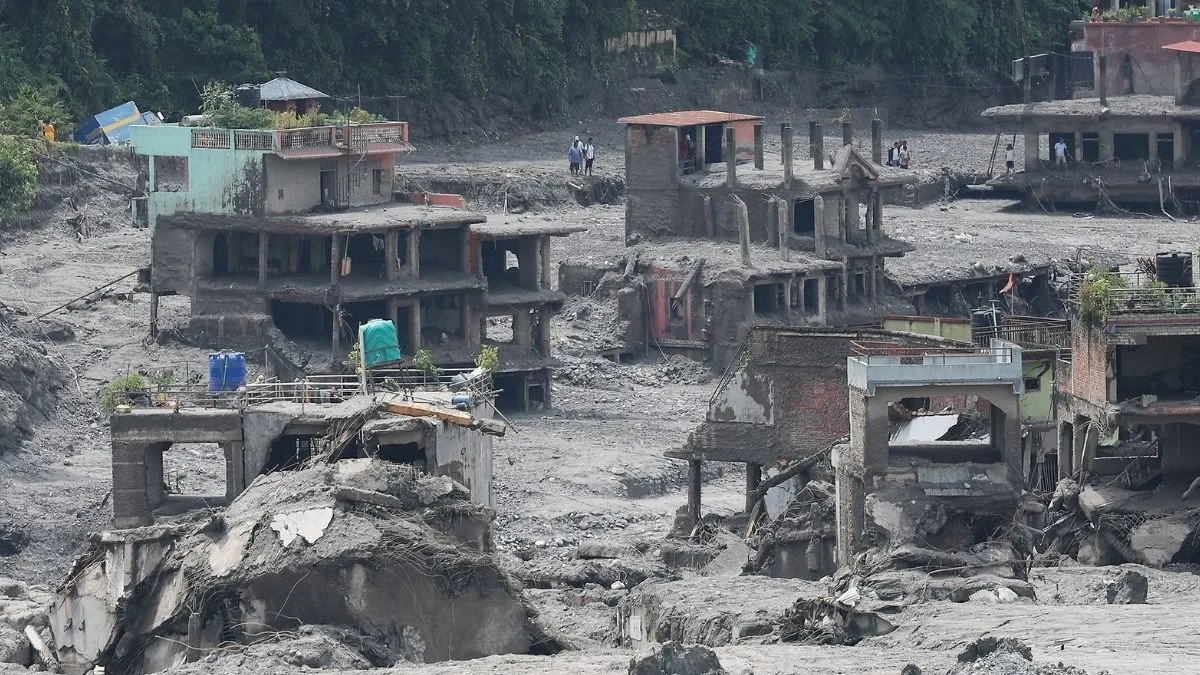
UNITED NATIONS – UN aid coordination office OCHA spokesperson Jens Laerke, on Tuesday said that as rescue efforts continue in Nepal, humanitarians are focused on how the deadly flash floods have impacted women and girls, as well as access to healthcare.
OCHA spokesperson reported the death toll stands over 1,000, as of late Tuesday.
Some 4,247 people remain missing, Jens Laerke told reporters in Geneva.
He said that the catastrophic flooding was trigged by a glacier collapse in the Himalayas on the border with China.
Authorities reported that 16 people were confirmed killed and 546 are missing, he said.
The International Federation of Red Cross and Red Crescent Societies is only able to access hard-hit areas such as Rasuwa district.
Matt Baden, IFRC Operations Manager for the Nepal crisis response, spoke from Kathmandu said “Search and rescue is still ongoing, and the monsoon hasn’t stopped” said.
“Blocked waterways remain at risk to further flooding, and threat of landslides is real and immediate.”
People are returning to look for their homes and what is left of them.
According to UN Women some 43,000 women and girls in Nepal now require immediate humanitarian assistance,.
Christine Arab, the agency’s Regional Director for Asia and the Pacific, said partners on the ground stress that women survivors are running out of food, while safe water is increasingly inaccessible and protection risks are growing.
They warned that women could be excluded from the decision-making around response and recovery.
She told journalists that many people who normally would receive humanitarian support such as pregnant women, nursing mothers and persons with disabilities—have been “washed away” because they could not get to higher ground.
“And this is what happens when a disaster meets inequality: the people already left behind are often the first to be swept away,” she said.
UN agency noted that prior to the floods women and girls in Rasuwa district were spending hours a day travelling long distances to collect water.
“Now, these women are telling us that access to safe water has been cut off altogether, following the destruction of water systems, roads, and bridges,” she said.
She added that food is the most urgent priority for women in the worst-affected areas.
The disasters also bring increased risks of gender-based violence, exploitation, and trafficking, while damaged infrastructure and communications can make it harder for survivors to seek help and access protection services.
“The humanitarian response must recognize the experiences of women and girls,” she said. “It must reach them and it must include them as key drivers in Nepal’s recovery.”
Christian Lindmeier, spokesperson for the World Health Organization said that maintaining access to health services remains a priority.
She added that 6 health facilities have suffered damage or destruction while two others cannot be reached, meaning that “people on the ground don’t have a health facility available at the time of their biggest needs.”
He stressed that “while immediate efforts remain focused on life-saving interventions…preventing secondary public health impacts is equally important.”
Mr. Lindmeier explained that flooding, displacement, overcrowding and stagnant water can increase the risk of disease outbreaks.
WHO is supporting surveillance in both affected and downstream areas to monitor the potential increase of dengue, scrub typhus, and other communicable diseases.
UN agency has also supported the identification of priority medicines, diagnostic kits, and essential health commodities while also providing technical guidance, including with regard to infection prevention and the safe and dignified management of bodies.
