
Mass Burials and Global Grief: Nepal-China Flash Floods Leave Over 1,000 Foreigners Missing

Poonam Sharma
The mountain valleys of Nepal and China are reeling from a devastating aftermath as flash floods have not only swept away villages and infrastructure but also the lives of more than a thousand foreign nationals. In a grim tragedy without precedent, Nepali officials are still struggling to retrieve bodies, as search and rescue operations continue in Rasuwa and other districts hit by the disaster.
A Disaster Without Borders
Nepal’s tourism department says 583 foreigners from 38 countries – including the US, UK, Australia, Germany and India – are still missing after last week’s flash floods. The magnitude of the disaster underscores the possible worldwide effects of natural calamities in the Himalayas, impacting not only local populations but also international travel and adventure tourism.
Chinese authorities also said at least 461 foreigners from 23 countries are missing on their side of the border. Most are thought to have been hiking, mountaineering or doing eco-tourism when disaster struck.
Looking for Closure
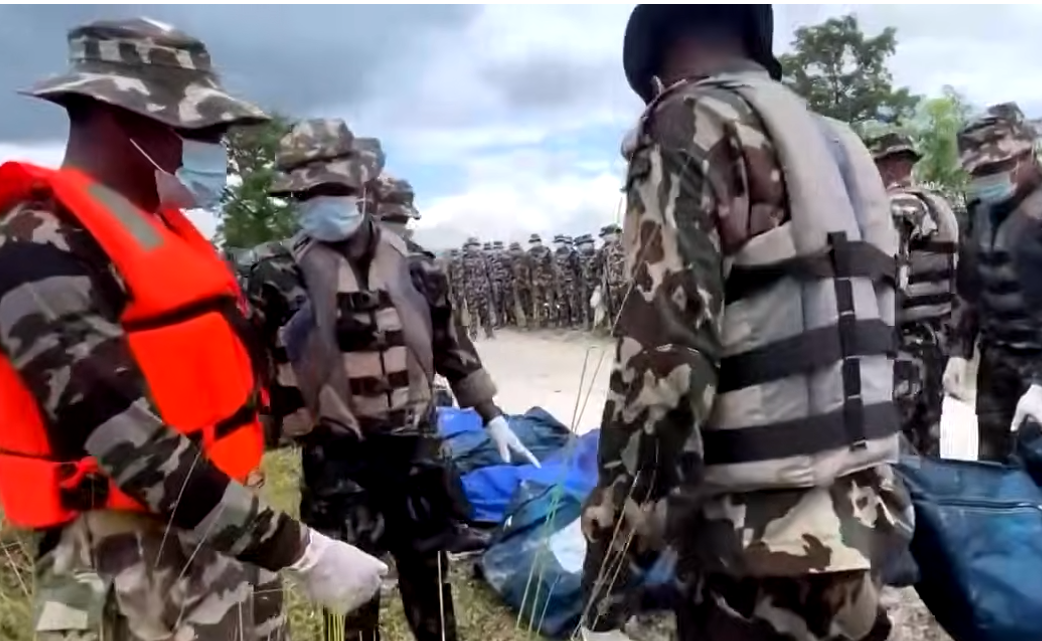
In the past days search and rescue teams have been battling treacherous terrain and unpredictable weather to recover hundreds of bodies. The operation is being carried out with the greatest sensitivity and scientific precision, every recovered body is carefully preserved, DNA samples are taken and airtight identification protocols are followed. Authorities are determined to ensure the dead and their families are at least afforded dignity in death, if not in life.
The bodies have been returned and are being held in secure, refrigerated facilities. Each is placed in a sealed container and is carefully labeled and recorded so that it can be correctly identified. This rigorous process provides families the opportunity to claim their loved one, no matter where in the world they are, if they can be identified by DNA or personal effects.
Mass Graves: Humanity in Grief
The death toll is rising and decomposing bodies are becoming a public health hazard, so Nepalese and Chinese authorities have started mass burials for unidentified victims. But these things are not anonymous. All bodies are buried with individual markers that correspond to their identification files and DNA is kept in case it is needed in the future.
Officials say the mass burials are a compassionate response to logistical and emotional realities. “We are keeping all options open for families to come forward even after months or years and take back their loved ones for proper last rites as per their customs,” said a senior official leading the operation in Rasuwa.
A world tragedy
The flash floods have underscored our world’s interconnectedness in an era of global travel. All over the continents, families are sharing photos and details hoping for news. Social media is bursting with appeals. International embassies, NGOs and search specialists have arrived in the region with support and expertise.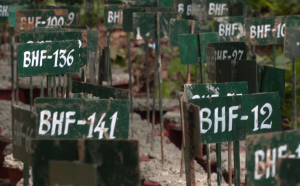
The tragedy is a stark reminder to Nepal and China of how delicate the balance between tourism and mountain ecology is. Local communities are already devastated by the loss of their homes and livelihoods, and they are now helping with the difficult work of recovery and mourning for not only their own but also people from all corners of the globe.
Hopeful Despair
Meanwhile, as the search goes on, periodic stories of miraculous survival and reunion emerge. But for most, closure will only come with the painstaking identification process or, for many, with the mass burials now underway.
The tragedy will not be summed up in numbers, but in the collective grief and resilience of the global community. The hills of Rasuwa and beyond will remember the loss for generations to come – and the compassion in honoring the departed.
