
India Calls for Stronger Global Pandemic Preparedness
Health Secretary Punya Salila Srivastava stresses equity, pathogen access and global solidarity at UN meeting

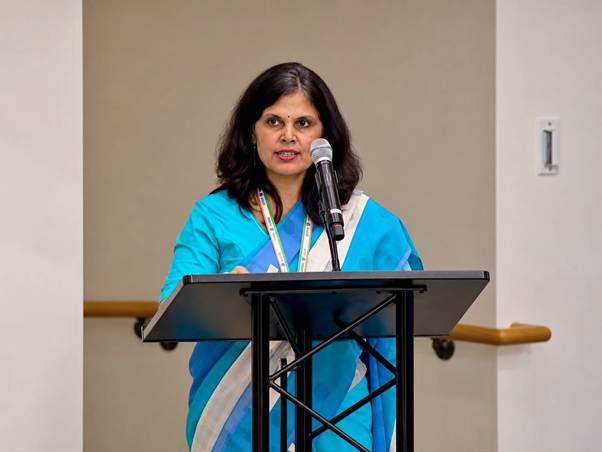
- India calls for stronger global pandemic preparedness.
- Health Secretary stresses fair pathogen access and benefit sharing.
- India supplied 300 million vaccine doses to around 100 countries.
- WHO urges urgent progress on global pandemic preparedness.
GG News Bureau
New York, 26th Sept: India has reaffirmed its commitment to strengthening global pandemic prevention, preparedness and response, with Union Health Secretary Punya Salila Srivastava calling for greater international cooperation, equitable access to health products and resilient health systems.
Addressing the UN High-Level Meeting on Pandemic Prevention, Preparedness and Response in New York on September 25, Srivastava said lessons from the COVID-19 pandemic must be translated into sustained investment, institutional capacity and stronger health systems.
She outlined India’s efforts to strengthen laboratory networks, emergency coordination, healthcare workforce, stockpiles and clinical care capacity to respond to a range of health emergencies.
The Health Secretary said pandemic preparedness should remain rooted in national health systems, development priorities and domestic financing, with international assistance complementing national efforts.
India highlights COVID-19 experience
Drawing on India’s experience during the COVID-19 pandemic, Srivastava called for digital public infrastructure to be recognised as a global public good. She said digital systems supported surveillance, vaccination, risk communication, supply chains and continuity of healthcare services during the pandemic.
She also highlighted India’s contribution to global health efforts, stating that the country supplied 300 million vaccine doses to around 100 countries and two UN entities and provided medical assistance to more than 150 countries.
According to Srivastava, these efforts reflected India’s commitment to the principle of “One Earth, One Health” and to the Global South.
India stresses fair pathogen access
Referring to the WHO Pandemic Agreement adopted in May 2025, Srivastava described it as an important milestone and stressed that its credibility would depend on a fair Pathogen Access and Benefit Sharing (PABS) system.
She said countries contributing pathogens and biological resources should receive timely access to vaccines, diagnostics, therapeutics, technologies and other benefits, while respecting national sovereignty.
She further said the political declaration should not prejudge ongoing negotiations on the PABS annex and should be implemented in accordance with national circumstances and capacities.
On the One Health approach, she called for implementation in accordance with domestic law, international law and national circumstances.
WHO calls for urgent action
WHO Director-General Dr Tedros Adhanom Ghebreyesus highlighted progress in strengthening the global health security architecture since COVID-19, including the WHO Pandemic Agreement and amendments to the International Health Regulations.
He stressed the need to conclude negotiations on the PABS system, warning that delays could affect the global response to future pandemics.
UN Deputy Secretary-General Amina Mohammed called for continued political attention to pandemic preparedness and stressed the importance of community-based systems for early detection, surveillance and communication.
Concluding her address, Srivastava said pandemic preparedness is a shared responsibility and that equity must remain central to efforts to address future pandemics and outbreaks.
