
IBSA Calls for Joint Action Against Terror Groups
India, Brazil and South Africa reaffirm zero tolerance for terrorism and urge stronger international cooperation

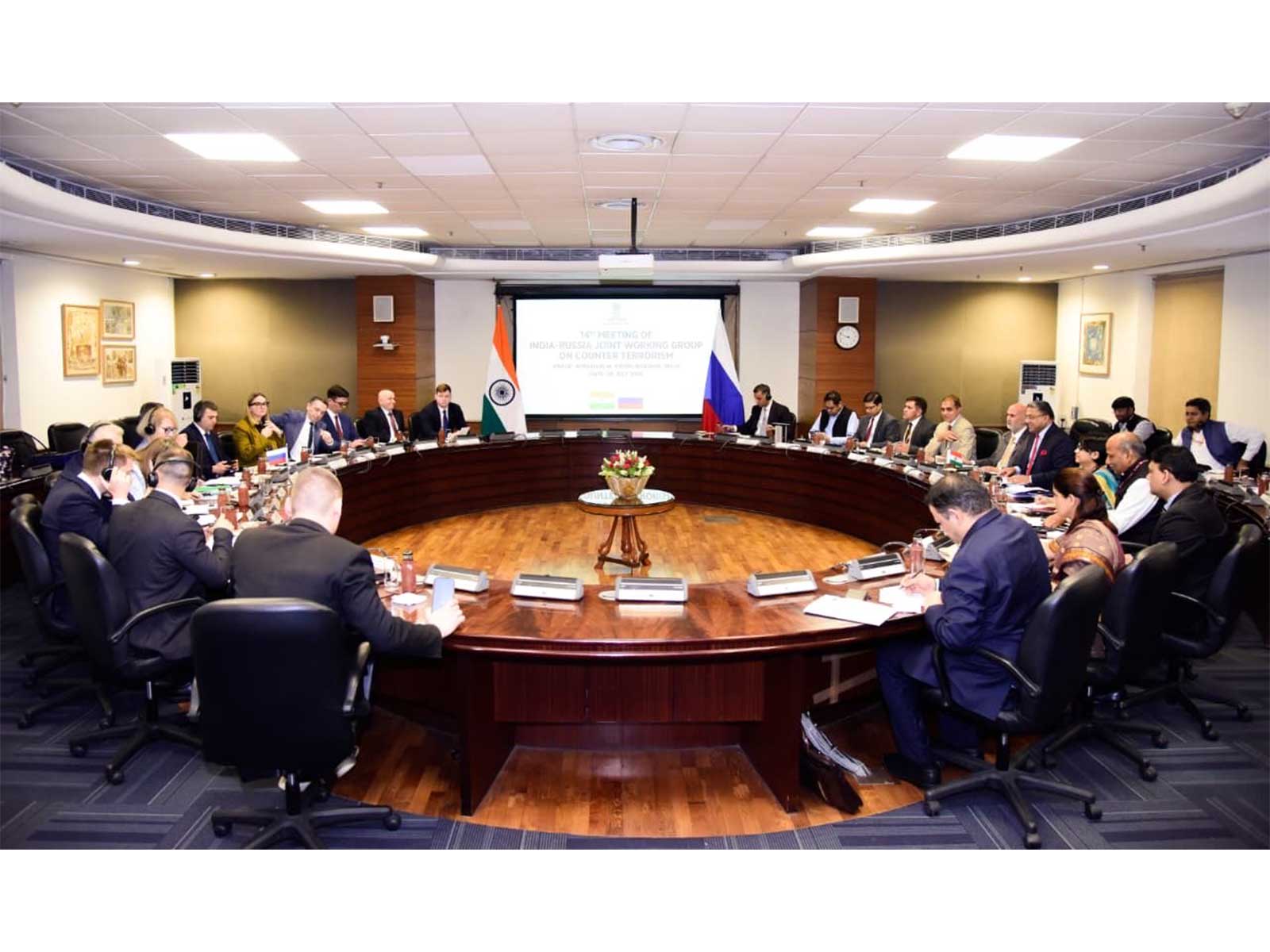
- IBSA backs action against UN-listed terror groups
- Ministers reaffirm zero tolerance for terrorism
- Group urges progress on UN counter-terrorism convention
- IBSA stresses intelligence sharing and terror-financing controls
By Anjali Sharma
NEW YORK – India, Brazil and South Africa IBSA on Wednesday have called for concerted action against all UN-listed terrorists and terrorist entities, including Al-Qaeda, ISIS/Daesh, Lashkar-e-Tayyiba (LeT) and Jaish-e-Mohammad (JeM), while reaffirming their unconditional rejection of terrorism in all its forms and manifestations.
External Affairs Minister S Jaishankar, South African Minister of International Relations and Cooperation Ronald Lamola and Brazilian Minister of Foreign Affairs Mauro Vieira, who met on the sidelines of the 81st Session of the United Nations General Assembly in New York strongly condemned the killing of civilians in the terrorist attack in Pahalgam, Jammu and Kashmir, in April 2025.
The Ministry of External Affairs issued a media statement on the 14th IBSA Trilateral Ministerial Commission Meeting in New York “The Ministers reaffirmed their unconditional rejection of terrorism in all its forms and manifestations, urged zero tolerance for terrorism, rejected double standards in countering terrorism regardless of motivation and stressed that all counter-terrorism measures must fully comply with international law”.
The Ministers underscored the central coordinating role of the UN in countering terrorism and reiterated the importance of concluding a Comprehensive Convention on International Terrorism within the framework of the UN General Assembly.
They emphasized the need to combat the financing of terrorism in line with international standards while ensuring the lawful and effective exchange of financial intelligence.
“The Ministers called for concerted action against all UN-listed terrorists and terrorist entities, including Al-Qaeda, ISIS/Daesh, Lashkar-e-Tayyiba (LeT), Jaish-e-Mohammad (JeM), other proxy groups and their facilitators. The Ministers reiterated their resolve to step up joint efforts for the expeditious adoption of the Comprehensive Convention on International Terrorism in the UNGA,” the statement said.
They noted the growing challenges posed by violent extremism, including the threat from self-radicalized individuals, and stressed the importance of capacity-building and intelligence cooperation among states.
IBSA expressed concern over the misuse of the internet for terrorist propaganda and recruitment, while emphasized the need to safeguard privacy and fundamental rights.
They also recognized the potential of digital platforms to promote tolerance, mutual understanding and dialogue as part of broader efforts to prevent violent extremism conducive to terrorism, including the cross-border movement of terrorists.
India, Brazil and South Africa also noted with concern that conflicts in the Middle East have a negative spillover effect on countries of the Global South, particularly with regard to energy and food security, leading to further inflationary and fiscal pressures.
The group stressed the need to ensure the unimpeded flow of global trade, supply chains and energy; the safety and security of seafarers and merchant vessels; freedom of navigation in accordance with international law; and the safeguarding of critical maritime routes in the region.
They expressed concern over the continued escalation of tensions in the Middle East and underscored that actions taken outside established frameworks of dialogue, diplomacy and international law risk further undermining regional peace, security and stability, as well as hampering the efforts of countries in the region in their pursuit of the 2030 Agenda for Sustainable Development.
They emphasized the importance of protecting civilians and civilian infrastructure in accordance with international law and the purposes and principles of the UN Charter, including respect for the sovereignty and territorial integrity of states in the region.
The Ministers encouraged increased efforts through dialogue and diplomacy. They further noted with concern that renewed threats of military action and intimidation would only serve to jeopardize ongoing dialogue, mediation and confidence-building efforts in the region.
They called on all parties to exercise restraint and refrain from actions that may contribute to further escalation, while creating conditions conducive to dialogue and diplomacy towards a long-term understanding that would contribute to lasting peace, security and stability in the region.
