
EAM cites ‘lack of empathy’ in US over India terrorism concerns
EAM says lack of understanding of India’s terrorism concerns can affect the broader bilateral relationship

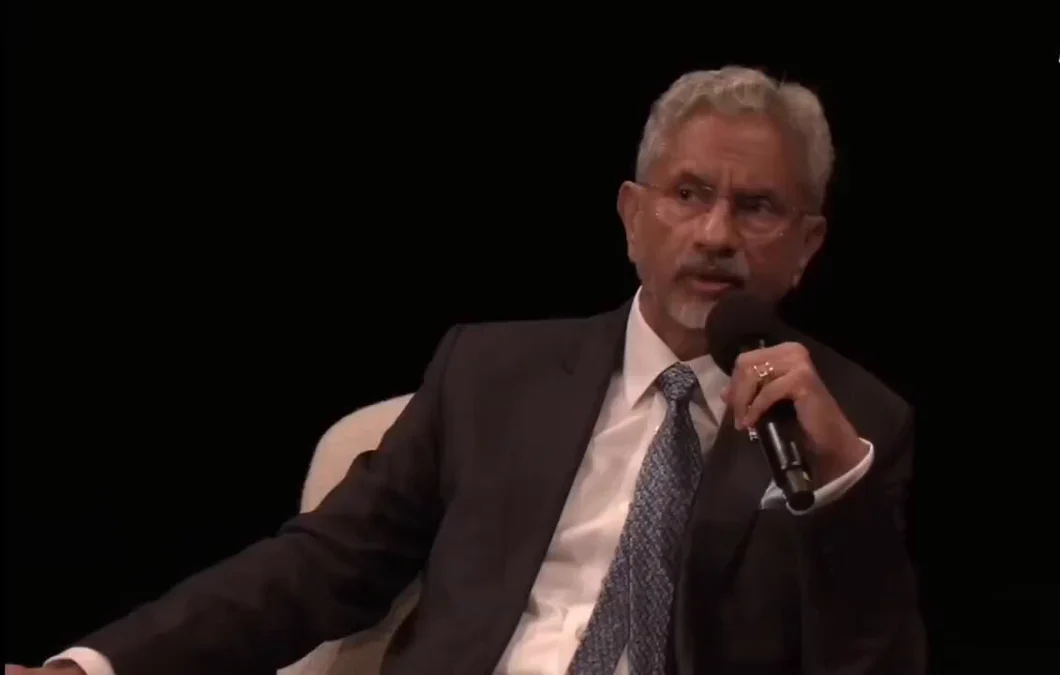
- Jaishankar links terrorism and trade to India-US ties
- EAM refers to terrorism from a neighbouring country
- He says India expects greater understanding from partners
- Remarks come amid wider discussions on bilateral relations
By Anjali Sharma
NEW YORK – The External Affairs Minister S Jaishankar on Wednesday placed terrorism alongside trade among the issues complicating ties with Washington and referred to a neighbor using terror as a “deliberate conscious policy” as he was speaking at the event in New York.
He has identified Washington’s response to India’s terrorism concerns as a source of strain in bilateral ties, stated a relationship is affected when a partner fails to fully appreciate an issue of primary importance.
Jaishankar placed terrorism alongside trade among the factors complicating India-US relations.
He did not name Pakistan while making the remarks.
EAM instead referred to terrorism originating from “a neighbour” and described it as part of a deliberate policy pursued over decades.
“Perhaps there are very few countries which have been subjected to the kind of terrorism that we have from a neighbour as part of a deliberate conscious policy over many, many decades,” Jaishankar said.
Jaishankar said the prolonged nature of the threat made terrorism a particularly important issue for India.
“Now, if something which matters so deeply to us, there isn’t enough understanding or appreciation or empathy of that, I think that creates a problem,” he said.
Jaishankar was responding to a question on the factors standing in the way of stronger ties between India and the United States.
He made clear that differences over terrorism were not peripheral to the relationship.
“If one of my primary concerns is not fully appreciated by my partner, then clearly there is an impact on that on the relationship,” he said.
His remarks put terrorism alongside trade as an issue affecting the bilateral relationship, while stopping short of naming either Pakistan or US President Donald Trump in this part of his response.
