
Delhi Police Issues 200 Takedown Orders Ahead of CJP Protest
Authorities seek removal of protest-related social media content through the Sahyog platform, raising fresh questions about online monitoring and government takedown powers.

GG News Bureau
New Delhi, 9th Oct: Delhi Police have issued at least 200 orders through the Sahyog platform to remove social media content linked to protests against Chief Election Commissioner (CEC) Gyanesh Kumar, according to people familiar with the matter.
The orders were issued by the police’s cybercrime monitoring department and reportedly represent a sharp increase in takedown activity. A person familiar with the matter said the department typically issues around 40 such orders in a week, based on trends over the preceding months. The latest figure is therefore roughly five times the usual weekly volume.
The content flagged by authorities reportedly includes posts considered a threat to public order, as well as material critical of Prime Minister Narendra Modi, the Union government, Delhi Police and government institutions.
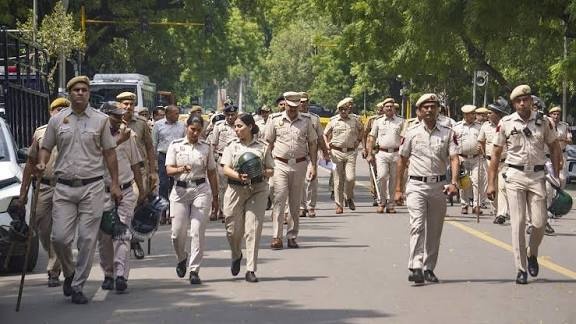
The number of orders could rise further ahead of the Cockroach Janta Party (CJP) protest scheduled for October 10, which is demanding Kumar’s removal. Delhi Police have increased scrutiny of online activity and deployed additional personnel across the capital ahead of the demonstration.
The 200 orders may not reflect the total number issued across the force. All Joint Commissioners of Police are authorised to issue takedown orders through Sahyog, meaning requests from other officers and units may not be included in the monitoring department’s figure.
Sahyog operates under the Ministry of Home Affairs’ Indian Cyber Crime Coordination Centre. It enables authorised government agencies to send requests to social media platforms and other online intermediaries seeking the removal of content or the disabling of access to it.
The platform’s use has attracted scrutiny over the scope of government powers to restrict online content and the procedures followed when takedown requests are issued. The latest action comes amid controversy surrounding Delhi Police’s handling of CJP demonstrations and related protest activity.
While authorities have flagged some content on public-order grounds, the reported orders also cover posts critical of political leaders, the government and public institutions. The available information does not establish how many orders concern each category, how many requests have been acted upon by platforms, or whether any orders have been challenged.
The scale of the reported increase has renewed attention on the balance between maintaining public order and protecting lawful political expression online.
