
Centre Defends E20 Fuel Rollout, Rules Out Cheaper Petrol
Government says ethanol-blended fuel strengthens energy security, supports farmers despite higher production costs

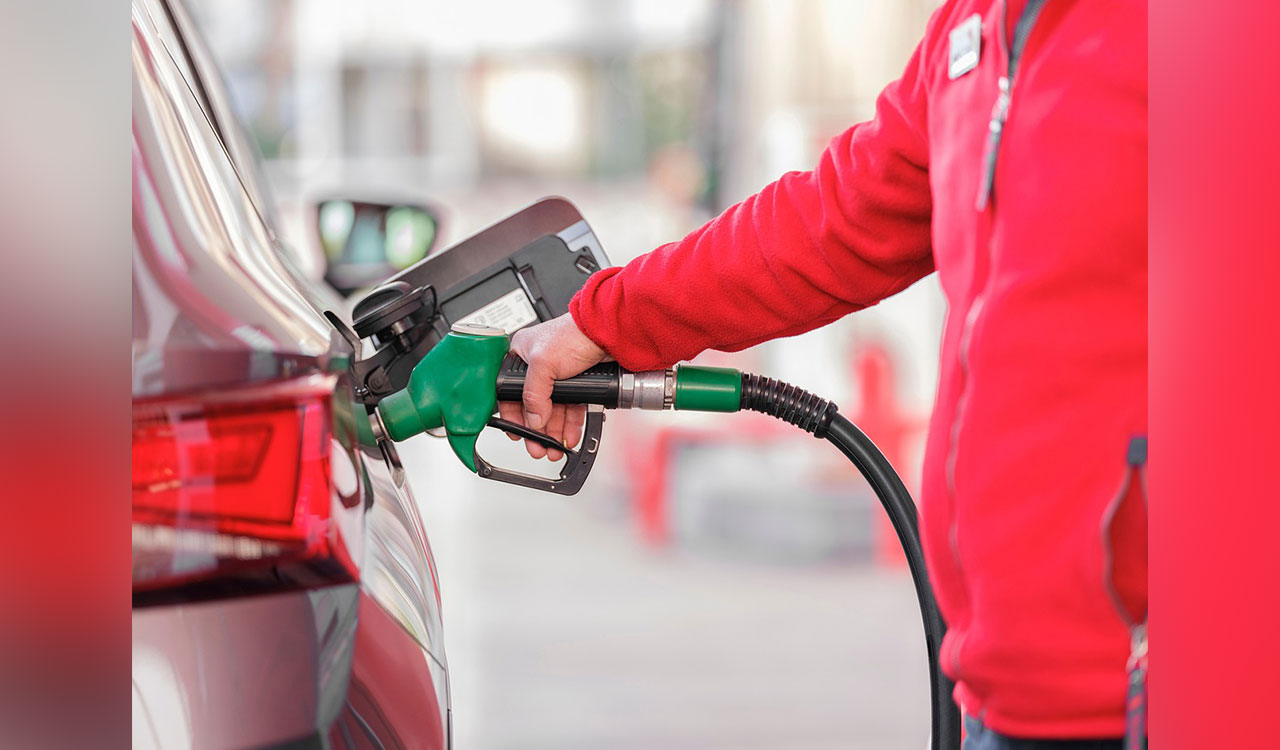
- Centre says E20 petrol will not reduce retail fuel prices despite ethanol blending.
- Government cites higher domestic ethanol procurement costs and farmer support.
- E20 expected to cut crude imports, lower emissions and improve energy security.
- Ministry says no evidence of engine damage in older vehicles using E20 fuel.
GG News Bureau
New Delhi, 10th July: The Centre has defended the nationwide rollout of E20 petrol, clarifying that consumers should not expect lower fuel prices despite the increased use of domestically produced ethanol in petrol.
Responding to concerns over fuel pricing, the Ministry of Petroleum and Natural Gas said ethanol is procured from farmers at assured prices to support the agricultural sector. It noted that maize-based ethanol is purchased at around ₹71.86 per litre, making E20 costlier to produce than conventional petrol when international crude oil prices remain around $70 per barrel.
According to the ministry, a visible reduction in retail fuel prices would only be possible if global crude prices rise sharply to around $120-130 per barrel. It said the primary objective of the E20 programme is not cheaper fuel but reducing dependence on imported crude oil and insulating India’s economy from global oil price volatility.
The government also clarified that pure petrol, E10 and E20 cannot be supplied simultaneously across the country’s network of over one lakh fuel stations. Maintaining separate supply chains for different fuel blends, it said, would be both logistically difficult and financially unviable.
Addressing concerns over vehicle compatibility, the ministry said there was no evidence that E20 fuel damages older engines designed for lower ethanol blends. It cited data from Maruti Suzuki, which serviced 2.84 crore vehicles during 2025-26, including 1.5 crore vehicles not originally certified for E20, without recording any cases of engine corrosion or fuel system failure linked to ethanol blending.
The ministry added that automotive regulators, including the Automotive Research Association of India (ARAI), the Society of Indian Automobile Manufacturers (SIAM) and Indian Oil Corporation Ltd. (IOCL), have also found no compatibility issues. It clarified that older E10 labels on vehicles merely reflected fuel standards at the time of manufacture.
While acknowledging that E20 may reduce fuel efficiency by around 3-5 per cent, the government said the blend offers a higher octane rating for improved engine performance and can reduce lifecycle carbon emissions by nearly 40 per cent.
The ministry noted that India’s ethanol blending programme began as a pilot in 2001 and was formally adopted through policy in 2013. However, blending remained limited to about 1.5 per cent before 2014 due to dependence on sugarcane-based ethanol.
Following policy reforms after 2018 that permitted ethanol production from maize and surplus food grains, blending levels increased significantly from 8.1 per cent in 2020-21 to the present 20 per cent target.
According to the Petroleum Planning and Analysis Cell, the programme has helped India save more than ₹1.97 lakh crore in foreign exchange through lower crude imports while transferring over ₹1.66 lakh crore to farmers and the rural economy. The ministry also said the initiative contributed to fuel price stability, with petrol prices in India rising only 5.58 per cent between June 2022 and June 2026, compared with much higher increases in several neighbouring countries and European economies.
