
India, Australia Sign Pact to Protect Traditional Knowledge
CSIR and IP Australia agreement gives Australian patent office access to India's Traditional Knowledge Digital Library

GG News Bureau
Melbourne, 10th July: India and Australia have signed an agreement granting Australia’s intellectual property authority access to the Council of Scientific and Industrial Research’s (CSIR) Traditional Knowledge Digital Library (TKDL), strengthening efforts to protect traditional knowledge from wrongful patent claims.
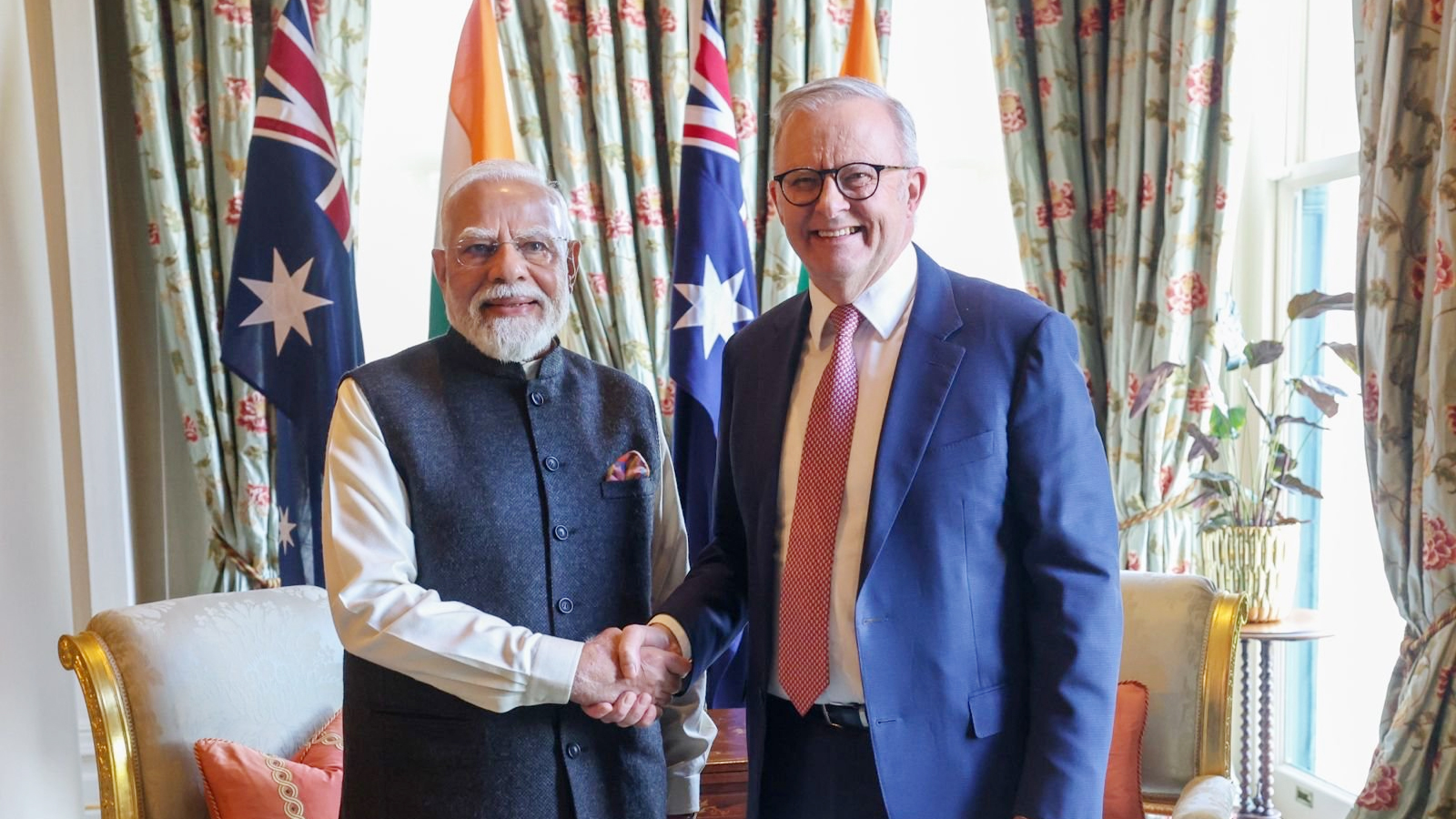
The agreement was signed between CSIR and IP Australia during the 3rd India-Australia Annual Summit in Melbourne in the presence of Prime Minister Narendra Modi and Australian Prime Minister Anthony Albanese.
The TKDL Access Agreement was among the 18 major outcomes of the bilateral summit, which covered cooperation in defence, energy security, education, science and technology, skill development, traditional knowledge and cultural heritage.
Under the agreement, IP Australia will access the TKDL database to identify prior art while examining patent applications under Australian patent laws. The move is expected to improve patent examination and prevent the grant of patents on knowledge that is already part of India’s documented traditional heritage.
The two countries noted that both India and Australia possess rich indigenous knowledge systems and traditional practices that require stronger protection against misappropriation. The agreement reflects their shared commitment to safeguarding traditional knowledge through robust intellectual property frameworks.
The implementation of the agreement will be overseen by Commissioner of Patents at IP Australia Andrew Wilkinson, CSIR Director General Dr. N. Kalaiselvi, and Head of the CSIR-TKDL Unit Dr. Viswajanani J. Sattigeri.
Established in 2001 through a collaboration between CSIR and the Ministry of AYUSH, the Traditional Knowledge Digital Library is the world’s first database dedicated to protecting traditional knowledge from erroneous patent claims. It currently contains information on more than 5.2 lakh formulations and practices from Ayurveda, Unani, Siddha, Sowa Rigpa and Yoga, translated into five international languages for use by patent examiners worldwide.
With the agreement, 18 patent offices across the world now have access to the TKDL under non-disclosure agreements. According to CSIR, evidence from the database has contributed to more than 375 patent applications worldwide being revoked, rejected, amended, withdrawn or abandoned.
