
Delhi SIR: Advani, Sisodia Among Voters Issued Notices
Over 33 lakh electors flagged for ‘No Mapping’ or ‘Logical Discrepancies’ in draft roll

GG News Bureau
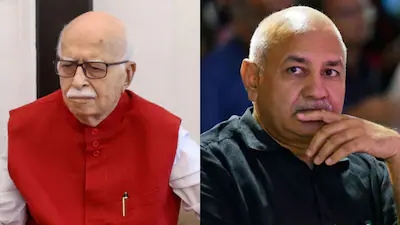
New Delhi, 21st Sept: The Special Intensive Revision (SIR) of Delhi’s electoral rolls has brought several prominent names, including BJP veteran L.K. Advani and former Delhi Deputy Chief Minister Manish Sisodia, into the notice process after discrepancies were identified in voter records.
The draft electoral roll published on August 31 contained 97,53,577 electors, compared with 1,45,10,299 names on the rolls before the revision. Separately, 33,12,919 voters whose names remain in the draft roll were identified for possible discrepancies and placed in categories requiring verification.
Of these, 13,79,785 electors were classified under “No Mapping”, meaning their details could not be linked with the previous SIR roll, while 19,33,134 were flagged under “Logical Discrepancies”.
Why were notices issued?
The verification process involves comparing information submitted by electors with earlier electoral records. Officials have cited issues including mismatches in names, parental details and age-related information as examples of discrepancies that can trigger scrutiny.
Advani, along with his daughter Pratibha Advani and daughter-in-law Geetika, has been listed under the “No Mapping” category. Sisodia and members of his family have also received notices over discrepancies involving names and parental details.
Other prominent names reported in the notice lists include External Affairs Minister S. Jaishankar, former Vice-President Jagdeep Dhankhar, former Delhi Chief Minister Arvind Kejriwal, Election Commissioner S.S. Sandhu and several senior officials.
In Sandhu’s case, officials said the discrepancy involved the name appearing as “Dr S S Sandhu” in one record and “Sukhbir Singh Sandhu” in the electoral roll. His documents were subsequently verified and his entry validated, according to election officials.
What does ‘Logical Discrepancy’ mean?
The classification has become a key issue in the legal challenge to the Delhi SIR. Petitioners Anjali Bhardwaj and Amrita Johri, represented by advocate Prashant Bhushan, have asked the Supreme Court for disclosure of the criteria, algorithmic parameters and operational guidelines used to classify electors under “Logical Discrepancies”.
The petition also seeks publication of the names of voters issued notices, along with the specific reason or category for each notice. The petitioners have argued that the basis for the classification has not been adequately disclosed.
The Supreme Court is scheduled to consider the plea concerning the Delhi SIR on September 21.
Notice does not mean deletion
The Delhi Chief Electoral Officer has clarified that receiving an SIR notice does not automatically mean that a voter’s name has been deleted from the electoral roll. Electors can submit replies and supporting documents before the Electoral Registration Officer or Booth Level Officer.
According to the reported schedule, disposal of notices is to be completed by October 29, 2026, while the final electoral roll is scheduled for publication on November 4, 2026.
The SIR controversy therefore centres on two separate issues: the removal of more than 47.56 lakh names from the draft roll under the ASDD category—Absent, Shifted, Dead or Duplicate—and the separate flagging of more than 33 lakh electors whose names remain in the draft roll but require verification.
