
Former Envoy Navdeep Suri Questions SIR Process
Ex-diplomat raises concerns over citizenship documents after facing discrepancies in Punjab voter roll verification

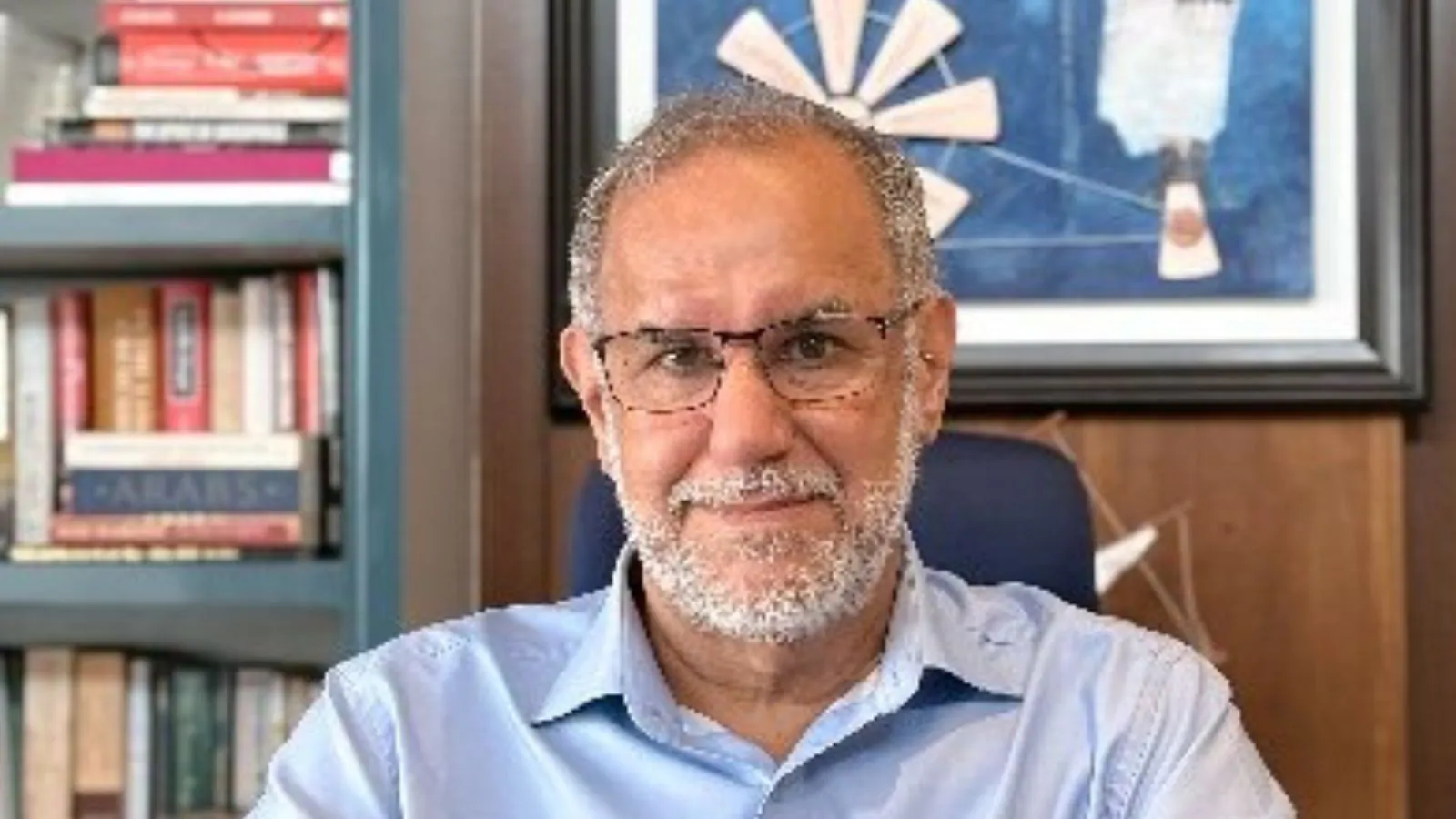
- Former ambassador Navdeep Suri shared his experience with the SIR exercise in Punjab.
- He said he was asked to provide documents proving Indian citizenship.
- Suri questioned the difficulties faced by ordinary citizens during voter roll verification.
- The ECI has expanded acceptable documents for SIR to include Aadhaar following Supreme Court proceedings.
GG News Bureau
New Delhi, 23rd Aug: Former Indian ambassador Navdeep Suri has raised questions over the Election Commission of India’s Special Intensive Revision (SIR) of electoral rolls after he said he faced difficulties in establishing his details during the verification process in Punjab.
Suri, who has served as India’s envoy to the United Arab Emirates and Egypt and as High Commissioner to Australia, shared his experience on X, saying he had submitted his voter ID and Aadhaar card to the Booth Level Officer (BLO).
According to Suri, he was subsequently informed by a volunteer that some of his details did not match the 2003 electoral roll.
He said that after speaking with the BLO, he was asked to collect a notice and return with unspecified documents showing that he was an Indian citizen. Suri said he explained that he was not in India in 2003 and was subsequently asked to produce his passport as proof.
‘What is the fate of the common citizen?’
Suri said he had additional documents available to establish his identity and citizenship but questioned the implications of such requirements for ordinary voters.
He pointed out that he had represented India in three countries during his diplomatic career and nevertheless faced difficulties during the verification process.
The former diplomat questioned what the experience would mean for citizens who may not have access to multiple official documents.
SIR and legacy electoral rolls
The SIR exercise requires voters whose names were not present in the relevant 2002 or 2003 electoral rolls to provide documentary evidence linking them to individuals listed in those legacy rolls.
The Election Commission had initially specified 11 categories of documents that could be used for the exercise, with Aadhaar not included in the original list.
Following proceedings before the Supreme Court, the Election Commission expanded the list of acceptable documents to include Aadhaar.
The SIR exercise was first undertaken in Bihar in 2025, where more than 60 lakh names were removed from the electoral rolls, including deceased voters. In West Bengal, around 90 lakh names were subsequently removed before the Assembly election.
The exercise has triggered wider debate over electoral roll verification, citizenship documentation and the safeguards required to ensure that eligible voters are not excluded.
The Supreme Court has also emphasised that while the Election Commission has authority to revise electoral rolls, such powers are subject to constitutional principles including transparency and natural justice.
