
Rising Farm Fires Put Amritsar, Tarn Taran Under Scrutiny
CAQM calls for stronger field-level monitoring, timely machinery access and greater use of paddy residue as fuel amid rising farm-fire incidents.

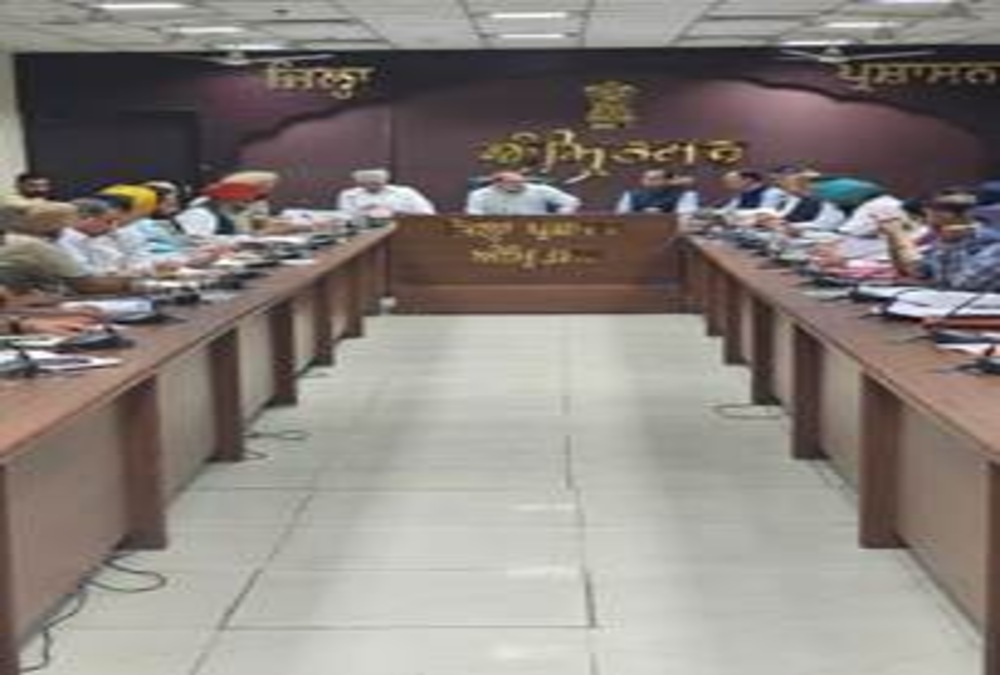
- CAQM reviews stubble management in two districts
- Rising farm fires prompt stricter field monitoring
- Industries urged to maximise paddy residue utilisation
- Tarn Taran directed to intensify prevention measures
GG News Bureau
New Delhi, 24th Oct: The Commission for Air Quality Management (CAQM) on Saturday directed the district administrations of Amritsar and Tarn Taran to intensify measures to prevent paddy stubble burning amid concerns over an increase in farm-fire incidents.
A high-level team led by CAQM Chairperson Rajesh Verma held a review meeting with deputy commissioners and other officials from both districts to assess ongoing efforts for comprehensive paddy residue management.
The meeting reviewed both in-situ management, in which residue is handled within fields, and ex-situ utilisation, where stubble is collected and used elsewhere. Officials also examined the availability of machinery, infrastructure and action taken in response to rising fire incidents.
The Commission expressed concern over the increase and directed officers to strengthen preventive measures to bring the numbers down.
Industries Asked to Increase Stubble Utilisation
The CAQM emphasised the need to maximise the use of paddy residue as fuel in thermal power plants, brick kilns and industries wherever feasible.
It directed authorities to appoint sector-wise nodal officers to ensure that stubble is actually utilised by the relevant industries. These officers will also be responsible for regular monitoring and reporting compliance.
The Commission stressed that available infrastructure must translate into practical use of agricultural residue rather than remain limited to facilities on paper.
Farmers to Receive Timely Access to Machinery
Emphasising the importance of field-level intervention, the Commission directed officials to visit villages and interact with farmers regularly.
Officers were asked not only to inform farmers about stubble management facilities but also to ensure that machinery and other required resources reach them on time.
District administrations were also instructed to improve coordination among farmers, Custom Hiring Centres (CHCs), machinery providers and other stakeholders to prevent delays in accessing residue management solutions.
Tarn Taran, which continues to report among the highest numbers of stubble-burning incidents, was asked to give the issue top priority and intensify prevention efforts. The Commission warned that lapses in implementing effective measures could invite strict action and accountability.
Amritsar Industrial Boiler Inspected
During the visit, the CAQM team inspected an industrial boiler at a complex in Amritsar where paddy stubble pellets are being used as fuel.
The inspection allowed officials to assess the practical use of processed agricultural residue and explore the potential to expand such models of productive utilisation.
The Commission reiterated that stubble management must be treated as a comprehensive exercise combining farmer support, residue collection and productive end use.
It called for coordinated action by district administrations and all concerned stakeholders to ensure that available management solutions are effectively deployed and paddy stubble burning is brought to an end.
