

Poonam Sharma
Indian Identity – The Changing Discourse
In April 2026, the US-based Hudson Institute organised a conference titled “The New India Conference” to gain insights into the changing socio-political landscape of India. But the event was criticized for the absence of representation of India’s diverse communities, including the Muslims, even as it brought to the fore the growing strategic importance of India to the United States.
The RSS: From a Nationalist Organisation to a Secular Pressure Group
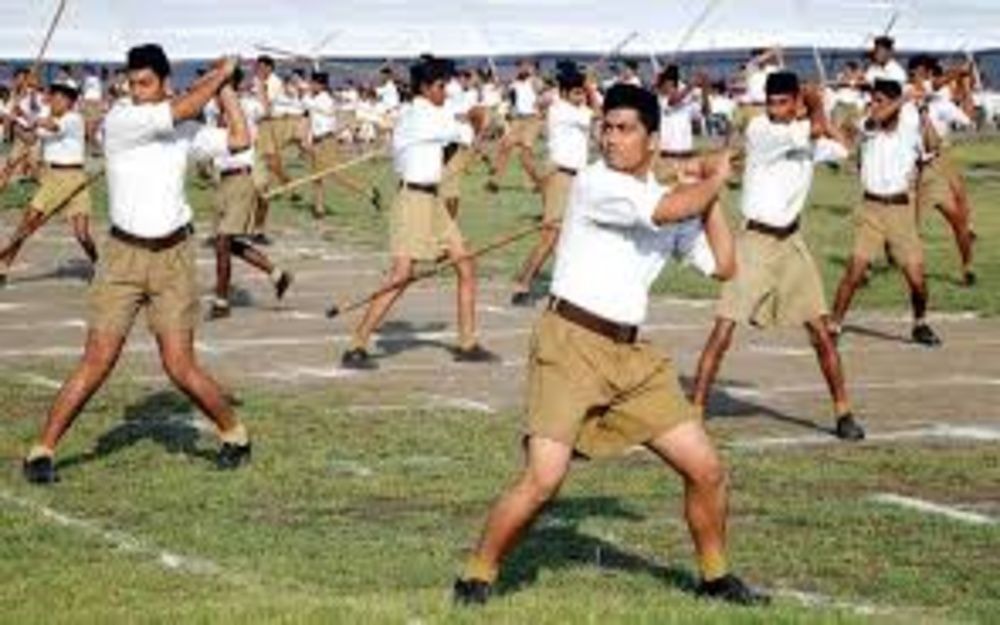
The Rashtriya Swayamsevak Sangh (RSS) has been an organization within and outside of India, often described as a cadre based organization that espoused the values of Hinduism. RSS representatives, including general secretary Dattatreya Hosabale, downplayed the ideological underpinnings of the organization at the Hudson conference and described it as a volunteer-driven movement, focused on national development and social service.
What is less known and often forgotten in international debates is the presence of a minority wing within the RSS. This wing is actively involved in interaction with Muslims, Christians and other minority communities outside the Hindu fold. The RSS is a Hindu pressure group working for the protection and upliftment of Hindus but not for the harm or discrimination of non-Hindus.
Historical Roots: India’s Common Heritage
A common theme in the RSS narrative is the claim that all Indians, regardless of religion, have common ancestry. The organisation argues that the population of the subcontinent was originally Hindu and that over the centuries conversions to other religions took place, often under duress of historical invasions and colonial rule. This view, while often debated, is the bedrock of the RSS’s stress on cultural unity.
It is important to state that at present day India, the RSS publicly rejects the idea of forced assimilation or coercion. It calls rather, for recognition of shared civilizational values, and holds that non-Hindus are not outsiders, but belong to the larger Indic tradition.
Answering questions: Safety and Inclusion of Muslims in India
Critics at home and abroad have raised concerns about the safety and inclusion of Muslims in India, particularly as Hindu nationalism has been on the rise. But RSS leaders and supporters say there have been no systematic atrocities against Muslims living in India. For example, the organisation points to the peaceful coexistence of more than 200 million Muslims as evidence of India’s continuing pluralism.
It was this perspective that came into focus at the Hudson conference where RSS leaders spoke of their commitment to constitutional rights for all citizens, regardless of faith. In particular, the minority wing of the RSS has undertaken programmes for promoting dialogue, uplifting the down trodden and countering divisive narratives. There are occasional reports of communal tension but the organization says they are the exception rather than the norm in a country as vast and diverse as India.
The Pluralist Vision: RSS and the Concept of New India
RSS and its affiliates have a vision of a “New India” that is marked by unity in diversity. It is a Hindu, cultural movement that seeks to protect the interests of Hindus while safeguarding the rights and dignity of all citizens, the organization says. Critics of the Hudson conference, however, mourned the lack of Muslim speakers as a missed chance for inclusion, but the RSS has maintained that outreach efforts continue at the grassroots level in India.
Another important point is that the leadership of the RSS has denied categorically the charge that it aims to obliterate the identities of minorities. Instead, the organization frames its mission as one of preserving India’s cultural heritage, promoting religious harmony and resisting foreign influences that are perceived as threats to national unity.
International Perspectives and Future Issues
The RSS and the wider Hindutva movement are viewed differently within the international community, especially among US policy makers. In the past concerns have been raised at the highest levels about religious freedom in India, but supporters of the RSS say that western observers do not always understand the simple amalgamating realities of Indian society.
For the growth of India’s democracy, constant dialogue, respect and true representation of all communities are essential. As India takes its place on the world stage, the challenge will be to balance cultural pride with the pluralistic values enshrined in its Constitution.
The story of a “New India” is still being written. The RSS, with its cultural unity, minority outreach and secular activism, would like to be seen as a unifying force. Whether this vision can encompass the whole diversity of Indian society is a question that will probably decide the country’s course in the years to come.
