
SC Says Sabarimala Ruling Will Impact ‘Entire Civilisation’
Justice Nagarathna highlights India’s diversity as court hears Article 25-26 questions

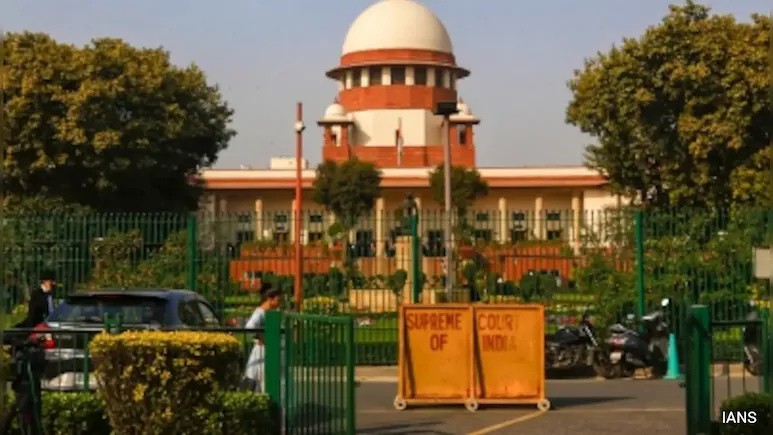
- Supreme Court of India hears Sabarimala reference case
- Justice B. V. Nagarathna says ruling will affect “entire civilisation”
- Debate centres on interplay of Articles 25 and 26
- Issues include women’s entry, ex-communication and religious practices
GG News Bureau
New Delhi, 7th May: The Supreme Court of India on Thursday observed that the outcome of the nine-judge bench hearing the Sabarimala reference case would have implications for “an entire civilisation” and not just one religion.
Justice B. V. Nagarathna made the observation during hearings related to constitutional questions surrounding religious freedom, women’s rights and the extent of judicial intervention in faith-based practices.
“What is unique about India is its plurality and diversity. We continue to remain a civilisation despite these diversities,” Justice Nagarathna remarked, adding that the relationship between individuals and religion remains deeply embedded in Indian society.
The court is examining seven constitutional questions arising from the 2018 Sabarimala verdict, which allowed women of all age groups to enter the Sabarimala Temple dedicated to Lord Ayyappa.
The proceedings also touched upon issues such as ex-communication in the Dawoodi Bohra community, restrictions faced by Parsi women marrying outside the faith and female genital mutilation practices.
Senior advocate Raju Ramachandran argued that India’s civilisation functions under a constitutional framework and any practice violating constitutional values cannot continue unchecked.
He submitted that practices like ex-communication lead to social ostracism, loss of dignity and denial of religious rights, amounting to a “civil death” for affected individuals.
Justice Nagarathna, however, questioned how courts should respond when different groups within the same religion seek conflicting reliefs, asking whether the judiciary can repeatedly adjudicate such internal religious disputes.
Chief Justice Surya Kant clarified that the nine-judge bench is not deciding individual disputes but addressing broader constitutional questions concerning the balance between religious freedom and fundamental rights.
The bench’s eventual ruling is expected to have far-reaching implications on how courts interpret the scope of Articles 25 and 26 of the Constitution in matters of faith, reform and individual rights.
