
Infiltration and the Vote Bank: West Bengal Election 2026

Poonam Sharma
The Political Heartbeat of West Bengal
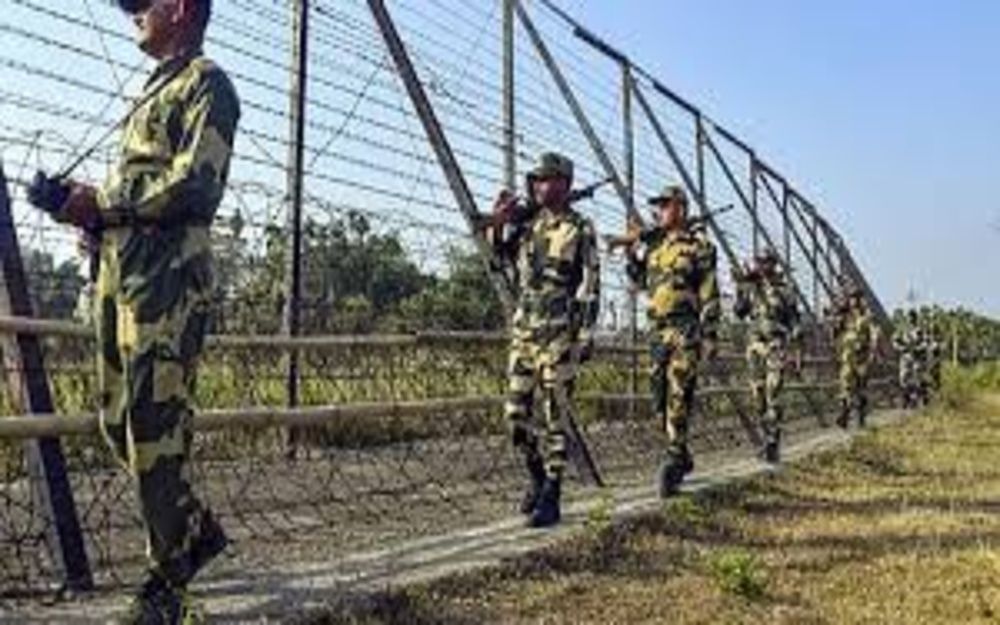
Infiltration is the most talked-about issue in both politics and the public as West Bengal gets ready for its 2026 assembly elections. Infiltration from across the Bangladesh border is no longer just an abstract threat; it is now deeply linked to the state’s social and political life. The debate is no longer just about law enforcement and border security; it has become a major issue in the election, shaping stories and changing how people vote, especially in the border districts that are most sensitive.
The Heart of the Matter: Infiltration as a Political Issue
The main point of the current debate is that illegal immigrants, mostly from Bangladesh, are not only moving to West Bengal but also becoming voters, which changes public opinion and affects the results of elections. The questions are clear: Are people who come to India illegally being given citizenship? Are they changing the vote, especially in districts near the border?
Research and discoveries: proof from the Hudson Institute
These worries are so serious that they have gotten the attention of people all over the world. The Hudson Institute and the Carnegie Endowment for International Peace worked together on a detailed study of the extent and effects of infiltration in West Bengal’s border regions. The US State Department helped pay for this research, which looked at 150 villages and groups in districts like Murshidabad (66% Muslim), Malda (51% Muslim), North Dinajpur, Nadia, and North 24 Parganas. The researchers talked to 1,200 families who were affected, 800 BSF/police officers, and a lot of local leaders.
The results are very interesting. The study says that India has about 12 million (1.2 crore) illegal Bangladeshi immigrants, and West Bengal alone has about 5.7 million (57 lakh). The number of Muslims in the areas that were surveyed went up by 12% from 2011 to 2023, while the number of Hindus went down by 8%. This change in demographics has led to the creation of “no Hindu zones,” which are villages where there are very few or no Hindus.
Fake Papers and Changes in Population
One of the most worrying things that has come to light is that almost 70% of people who enter the country illegally get Aadhaar and voter ID cards through illegal means. This lets them not only get government benefits but also vote, which could change the outcome in closely contested districts.
The Hudson Institute’s method relied heavily on satellite images and data analysis that used technology. The researchers used Google Earth to keep an eye on how land use, construction patterns, and the growth of settlements changed from 2011 to 2023. The outcome: a 12% decrease in agricultural land in Murshidabad and a 9% decrease in Malda, along with a 25% and 18% increase, respectively, in the building of new mosques and slums.
The Function of Madrasas and Waqf Land
The report also talks about the building of new settlements on waqf and madrasa land, which are religious endowments that are hard to control. These settlements, which often pop up overnight, are thought to help both new arrivals find a place to live and become part of the community. The research team verified the construction and expansion of these settlements by cross-referencing records from the Border Security Force (BSF).
The research
The study is unique, though, because it used the latest technologies to check ground-level data from many different sources and then compare it. This method, along with interviews on the ground and satellite analysis, gives the results more weight.
A Key Issue for 2026
As the 2026 West Bengal elections get closer, the issue of infiltration is going to be very important. The argument over citizenship, changing demographics, and the integrity of the vote bank isn’t just about numbers; it’s also about the state’s future identity and political direction. The infiltration debate is unlikely to die down anytime soon, especially since international organizations are backing up local concerns and technology is giving us new ways to check things. In the next few months, we’ll see how much this issue will affect both the vote and the bigger story in West Bengal.
