
SC Refuses Interim Voting Rights in Bengal Roll Row
Top court says appeals must follow due process; calls plea over deleted voter names “premature”

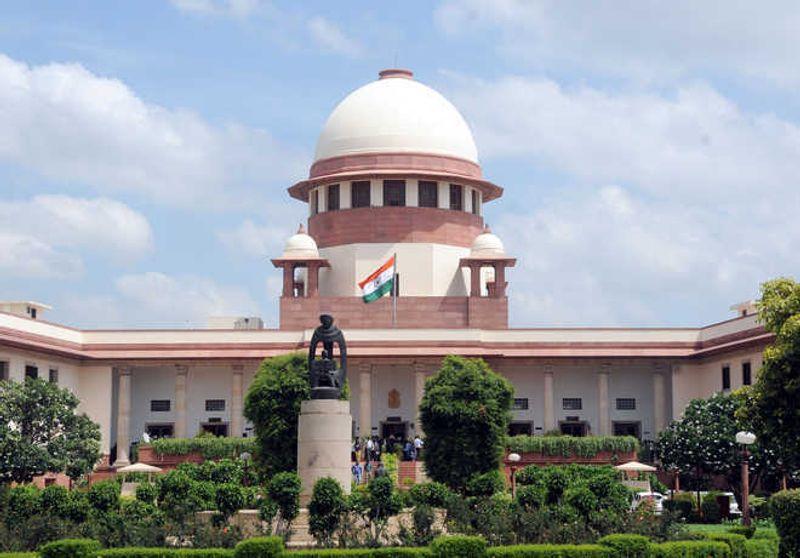
- Supreme Court denies interim voting rights to deleted voters
- Says appeals must be decided by tribunals first
- Over 30 lakh appeals pending in voter roll revision
- Election Commission has frozen Bengal voter list
GG News Bureau
New Delhi, 13th April: The Supreme Court of India on Monday declined to grant interim voting rights to individuals whose names were deleted during the voter roll revision process in West Bengal and whose appeals remain pending.
During the hearing, Trinamool Congress leader Kalyan Banerjee urged the court to allow nearly 1.6 million affected individuals to vote in the upcoming two-phase Assembly elections. However, Chief Justice Surya Kant rejected the request, stating that granting such relief was “entirely out of the question.”
Court Stresses Due Process
Justice Joymalya Bagchi noted that approximately 3.4 million appeals have been filed under the Special Intensive Revision (SIR) exercise, citing data from the Calcutta High Court.
The bench emphasised that electoral integrity and due process must be upheld, observing that allowing interim voting without proper adjudication could compromise the system.
Petition Termed Premature
The court was hearing a plea filed by a group of petitioners whose names were removed from the voter list. It termed the petition “premature” and directed them to approach the designated appellate tribunals.
The bench clarified that it had not expressed any opinion on the merits of the case.
Election Commission Stand
The Election Commission of India informed the court that the voter list has already been frozen and no new names can be added ahead of the elections without specific judicial directions.
Senior counsel appearing for the Commission stated that around 30–34 lakh appeals are currently pending.
Concerns Over Process
Petitioners alleged that names were deleted without due process and that appeals were not being heard promptly. They also sought an extension of the “freezing date” for electoral rolls.
However, the court maintained that tribunals—set up with former judges—must handle the adjudication without being overburdened by strict timelines.
Justice Bagchi underlined the importance of voting rights, calling it both a constitutional and emotional aspect of democracy, but stressed that due process cannot be bypassed.
