
Punjab Assembly Passes Sacrilege Bill, Life Term Provision
New law mandates minimum 10-year jail, hefty fines for desecration of Guru Granth Sahib

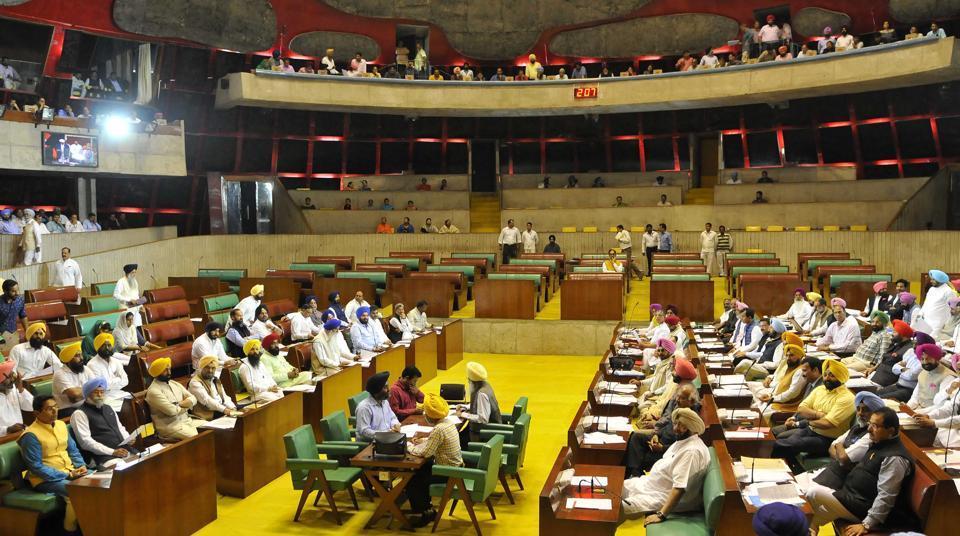
- Punjab Assembly passes amendment bill on sacrilege
- Minimum 10 years jail, maximum life imprisonment provision
- Fine between ₹5 lakh and ₹25 lakh introduced
- Bill tabled by CM Bhagwant Mann amid political debate
GG News Bureau
Chandigarh, 14th April: The Punjab Legislative Assembly on Monday unanimously passed the “Jagat Jot Sri Guru Granth Sahib Sataar Amendment Bill, 2026,” introducing stringent penalties for acts of sacrilege against the Guru Granth Sahib.
The legislation provides for a minimum imprisonment of 10 years, extendable to life imprisonment, along with a fine ranging from ₹5 lakh to ₹25 lakh for those found guilty of desecration.
The amendment strengthens the earlier 2008 Act, which primarily dealt with printing and maintenance of the Guru Granth Sahib and did not include specific provisions for sacrilege. Earlier violations carried a maximum punishment of two years’ imprisonment and a fine of ₹50,000.
The new law introduces dedicated penal provisions to address such offences more effectively.
The bill was tabled by Chief Minister Bhagwant Mann and witnessed extensive debate in the House.
Leader of Opposition Partap Singh Bajwa raised concerns over whether the bill would secure necessary approvals, citing previous legislations that failed to receive assent from the President.
Punjab Finance Minister Harpal Singh Cheema dismissed these concerns, stating that the current bill is an amendment to an existing state law and is expected to receive the Governor’s assent.
Chief Minister Mann asserted that earlier bills failed due to loopholes, but claimed the present legislation has been carefully drafted to ensure approval.
Meanwhile, discussions also touched upon a broader bill addressing crimes against all religious texts, which is currently under review by a Select Committee.
Minister Inderbir Singh Nijjar said the panel has received over 550 suggestions and is consulting religious experts before submitting its report.
The passage of the bill marks a significant legislative step in Punjab’s efforts to address religious sensitivities and strengthen legal deterrence against sacrilege.
