
India Boosts Heritage Conservation, Safeguards 3,686 Monuments
Govt boosts digitisation, technology use and global heritage footprint

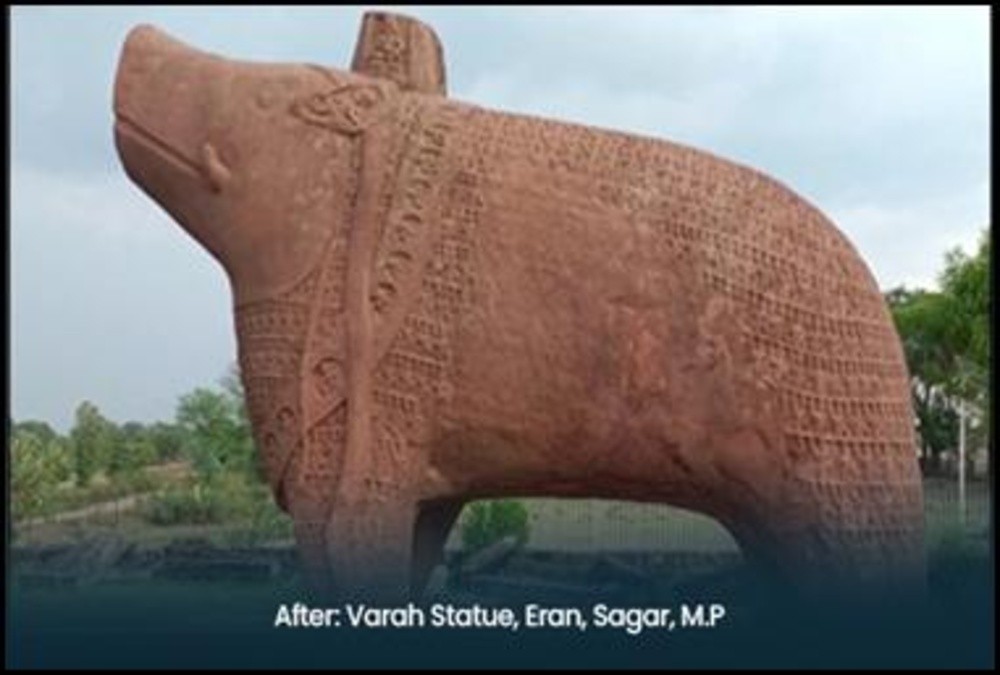
- ASI protects 3,686 monuments across India
- Seizures? No — focus on conservation, digitisation and technology
- India now has 44 UNESCO World Heritage Sites
- Tech tools like LiDAR, drones and AI enhancing preservation
GG News Bureau
New Delhi, 18th April: India has strengthened its heritage conservation framework with the Archaeological Survey of India safeguarding 3,686 centrally protected monuments, supported by scientific restoration and advanced digital tools, according to the government.
The Centre highlighted that conservation efforts now integrate technology, tourism and community participation, reflecting a broader shift towards treating heritage as both a cultural asset and a driver of economic growth.
Growing Global Heritage Presence
India’s global cultural footprint has expanded significantly, with 44 UNESCO World Heritage Sites, including the recent addition of the Maratha Military Landscapes.
These include iconic sites such as the Taj Mahal and Sanchi Stupa, representing the country’s rich civilisational legacy.
Strong Legal and Institutional Framework
Heritage protection is guided by constitutional provisions such as Article 49 and supported by laws like the Ancient Monuments and Archaeological Sites and Remains Act, 1958.
The ASI, established in 1861, remains the principal body responsible for conservation, excavation and maintenance of monuments, operating through a nationwide network of regional circles.
Technology Driving Conservation
The government has increasingly adopted modern technologies to improve preservation efforts, including:
- 3D laser scanning and photogrammetry
- Drone-based surveys and GIS mapping
- AI-driven documentation and digital archives
These tools help monitor structural stability, assess environmental risks and ensure accurate documentation.
Digitisation and Public Engagement
Initiatives such as the Indian Culture Portal have enhanced access to heritage through virtual tours and digital archives, making monuments accessible to a wider audience.
The National Mission on Monuments and Antiquities has also documented over 11,000 heritage sites and more than 12 lakh antiquities.
Balancing Preservation and Development
The government has linked conservation with tourism and livelihoods through programmes like “Adopt a Heritage 2.0,” improving infrastructure and generating employment around heritage sites.
Cultural festivals at monuments, such as the Konark and Khajuraho dance festivals, are also boosting local economies.
Holistic Approach to Heritage
Officials said India’s approach now combines scientific conservation, community participation and digital innovation, ensuring long-term preservation while enhancing accessibility.
The evolving framework reflects a shift towards viewing heritage not just as a legacy of the past but as a dynamic asset shaping the nation’s future.
