

Poonam Sharma
29/04/2026(Wednesday
Nadia
Karimpur
Tehatta
Palashipara
Kaliganj
Nakashipara
Chapra
Krishnanagar Uttar
Nabadwip
Krishnanagar Dakshin
Santipur
Ranaghat Uttar Paschim
Krishnaganj
Ranaghat Uttar Purba
Ranaghat Dakshin
Chakdaha
Kalyani
Haringhata
North 24 Parganas
Bagdah
Bangaon Uttar
Bangaon Dakshin
Gaighata
Swarupnagar
Baduria
Habra
Ashoknagar
Amdanga
Bijpur
Naihati
Bhatpara
Jagatdal
Noapara
Barrackpore
Khardaha
Dum Dum Uttar
Panihati
Kamarhati
Baranagar
Dum Dum
Rajarhat New Town
Bidhannagar
Rajarhat Gopalpur
Madhyamgram
Barasat
Deganga
Haroa
Minakhan
Sandeshkhali
Basirhat Dakshin
Basirhat Uttar
Hingalganj
South 24 Parganas
Gosaba
Basanti
Kultali
Patharpratima
Kakdwip
Sagar
Kulpi
Raidighi
Mandirbazar
Jaynagar
Baruipur Purba
Canning Paschim
Canning Purba
Baruipur Paschim
Magrahat Purba
Magrahat Paschim
Diamond Harbour
Falta
Satgachia
Bishnupur
Sonarpur Dakshin
Bhangar
Sonarpur Uttar
Maheshtala
Budge Budge
Kolkata
Kasba
Jadavpur
Tollygunge
Behala Purba
Behala Paschim
Metiabruz
Kolkata Port
Bhabanipur
Rashbehari
Ballygunge
Chowrangee
Entally
Beleghata
Jorasanko
Shyampukur
Maniktala
Kashipur-Belgachia
Howrah
Bally
Howrah Uttar
Howrah Madhya
Shibpur
Howrah Dakshin
Sankrail
Panchla
Uluberia Purba
Uluberia Uttar
Uluberia Dakshin
Shyampur
Bagnan
Amta
Udaynarayanpur
Jagatballavpur
Domjur
Hooghly
Uttarpara
Sreerampur
Champdani
Singur
Chandannagar
Chunchura
Balagarh
Pandua
Saptagram
Chanditala
Jangipara
Haripal
Dhanekhali
Tarakeswar
Pursurah
Arambag
Goghat
Khanakul
Tension in the Air as Polling Day Approaches
West Bengal is on edge as April 29, 2026, approaches—a day marked by the next phase of the state’s high-stakes assembly elections. Over 120 constituencies across multiple districts including Nadia, North and South 24 Parganas, Kolkata, Howrah, and Hooghly are set to vote. The atmosphere is charged, not just with political passion but with palpable tension after the violence witnessed on April 23.
Echoes of April 23: When Democracy Was Tested
The violence on April 23 painted a stark picture of the challenges faced by India’s democratic machinery in the region. Incidents of stone-pelting at CRPF and security forces were not isolated; they were symptomatic of a deeper, more persistent problem—sections of the population actively resisting the democratic process and law enforcement.
Security personnel found themselves in the crosshairs, sometimes literally, as they struggled to maintain order. The lack of compliance and even open defiance by some groups highlighted the fragile relationship between the state and parts of its electorate.
The Immigration Angle: A Thorn in the Side
One issue that has continually complicated the electoral landscape in Bengal is the presence of illegal immigrants, particularly from Bangladesh. Over the years, encroachment and settlement by illegal immigrants have led to demographic shifts and, according to officials, a mounting sense of disenfranchisement among local populations.
Authorities argue that the involvement of some illegal immigrants in anti-democratic activities has further strained the situation. The government’s recent moves to tighten voter rolls and border security aim to address these concerns.
Security Forces on High Alert
Learning from the violence of April 23, central and state agencies have ramped up preparations for the upcoming polls. The deployment of additional CRPF and paramilitary units is seen as essential, not just for crowd control but for instilling a sense of security among genuine voters.
Sources within the security establishment indicate that lessons from the previous phase are being put into action—smarter deployment, better intelligence, and rapid response teams positioned in sensitive areas. Local law enforcement is working in tandem with national agencies, ensuring that any attempt to disrupt polling will be met with swift, decisive action.
The Silent Majority: Voters Caught in the Crossfire
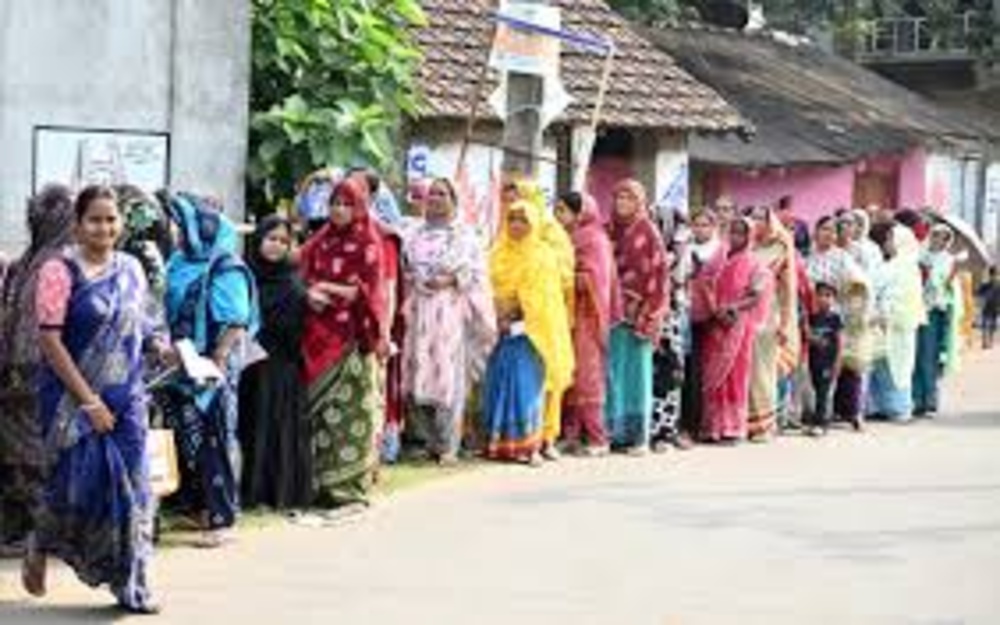
Amid the chaos, the ordinary citizen—the very heart of democracy—often finds themselves caught in the crossfire. Many who were unable to vote, either due to violence or administrative purges from the rolls, now face the grim reality that their disenfranchisement could be permanent.
For those who will vote on April 29, the hope is for a peaceful environment where ballots, not stones, do the talking. The Election Commission, along with local leaders and civil society, continues to urge restraint and respect for the democratic process.
Looking Ahead: Will April 29 Mark a Turning Point?
As Bengal heads into this critical phase, the stakes couldn’t be higher. The elections are not just a political contest—they are a test of the systems and values that underpin India’s democracy. The coming days will determine whether the combined efforts of security forces and administrators can ensure a free, fair, and peaceful electoral process.
Whatever the outcome, one thing is clear: the resilience of West Bengal’s democracy will be on display. It remains to be seen whether the lessons of April 23 will transform April 29 into a day of hope, or if the specter of violence will once again overshadow the voice of the people.
