
PM Modi Condemns UAE Attack; Calls for Peace, Strait Security
India expresses solidarity after Indian nationals injured amid rising Gulf tensions

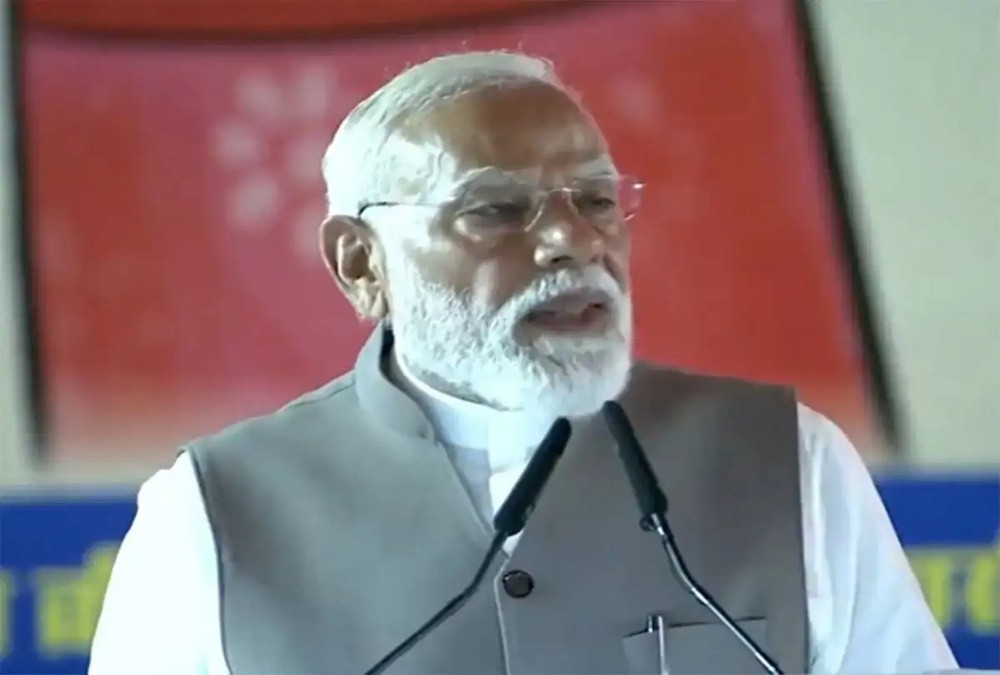
- PM Narendra Modi condemns attack in UAE
- Three Indian nationals injured in strikes
- India backs dialogue and diplomatic resolution
- Strait of Hormuz security flagged as critical
GG News Bureau
New Delhi, 5th May: Prime Minister Narendra Modi on Tuesday strongly condemned the recent attacks in the United Arab Emirates that left three Indian nationals injured, calling the targeting of civilians and infrastructure “unacceptable”.
In a statement, the Prime Minister expressed deep concern over the incident, which comes amid escalating tensions in the Middle East, particularly involving conflict spillovers affecting Gulf nations.
“Strongly condemn the attacks on the UAE that resulted in injuries to three Indian nationals. Targeting civilians and infrastructure is unacceptable,” Modi said.
The attack is being viewed in the backdrop of ongoing regional instability linked to the wider West Asia conflict, including tensions involving Iran and its regional adversaries. Though the UAE has largely remained stable, recent incidents indicate growing security risks tied to the broader geopolitical situation.
Reaffirming India’s position, Modi said New Delhi stands in firm solidarity with the UAE and supports peaceful resolution of disputes through dialogue and diplomacy.
India has deep strategic, economic and diaspora ties with the UAE, where millions of Indian citizens live and work. Any escalation in the region directly impacts India’s energy security and expatriate population.
The Prime Minister also highlighted the importance of maintaining security in the Strait of Hormuz, a crucial global oil transit route.
“Ensuring safe and unimpeded navigation through the Strait of Hormuz is vital for enduring regional peace, stability and global energy security,” he stated.
The Strait of Hormuz handles a significant portion of the world’s oil shipments, and disruptions in the region often trigger global economic concerns.
