
Why Marry a Girl, Then Insult Her?: SC Slams Dowry Harassment
Top court upholds conviction, says mistreatment of brides and their families must stop

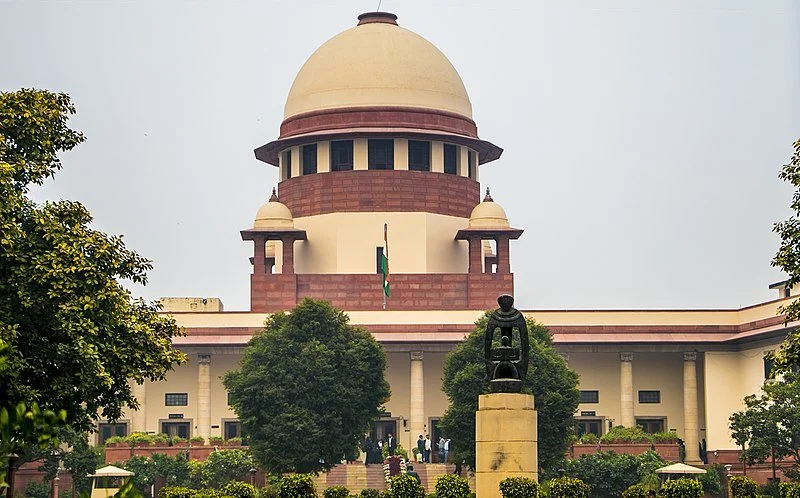
- Supreme Court upheld conviction in Chhattisgarh dowry harassment case
- Bench condemned mistreatment of brides and their families
- Appeal against Section 498A conviction dismissed
- Court said financial coercion in marriages must stop
GG News Bureau
New Delhi, 29th May: The Supreme Court on Friday delivered a strong message against the harassment of brides and their families, refusing to interfere with the conviction of a man found guilty of cruelty and harassment in a dowry-related case from Chhattisgarh.
A Bench comprising B. V. Nagarathna and Ujjal Bhuyan dismissed an appeal filed by the younger brother of a husband convicted under Section 498A of the Indian Penal Code.
During the hearing, the court questioned the continued practice of humiliating brides and their families after marriage.
“Why do boys marry girls and then insult them and their families? Let a message go out that they cannot continue insulting the bride and her family,” the Bench observed.
The case dates back to 2010 when a woman was found hanging in her matrimonial home within three years of her marriage. According to court records, she was allegedly subjected to repeated dowry demands, including demands for money and a car.
The trial court had concluded that continuous harassment and dowry-related demands were closely linked to her death. Several members of the husband’s family were convicted under Sections 304B (dowry death), 306 (abetment of suicide) and 498A (cruelty and harassment) of the IPC.
The convictions were subsequently upheld by the Chhattisgarh High Court.
Seeking relief before the Supreme Court, the petitioner argued that he had only been convicted under Section 498A. However, the Bench refused to grant any concession.
“You should be happy that it is only 498A and only three years,” Justice Nagarathna remarked.
The court also expressed concern over what it described as a pattern of financial coercion faced by many brides’ families.
“Attempt is to squeeze the bride and her family,” Justice Nagarathna observed while referring to allegations that the victim’s family was insulted despite efforts to meet financial demands.
When the defence cited delays in registration of the FIR, the court found no merit in the argument and reiterated the need to send a strong societal message against such conduct.
Justice Bhuyan also noted that such incidents continue to occur even among educated families.
The Bench ultimately upheld the findings of the lower courts and dismissed the appeal, reaffirming the conviction for cruelty and harassment.
